Essential Insight
General Travel Information
- Official Name Republic of Korea (ROK)
- Location Eastern Asia, southern half of the Korean Peninsula
- Capital Seoul
- Population About 51.2 million
- Language Korean (Hangul is the alphabet)
- Currency South Korean Won (KRW)
- Time Zone Korea Standard Time (UTC+9) — no daylight saving time
Understanding Korea's Four Distinct Seasons
South Korea experiences four clearly defined seasons, each offering its own charm and travel highlights. Here’s what to expect throughout the year:
Spring (March to May)
Spring is mild and refreshing, with temperatures ranging from 10°C to 20°C (50°F to 68°F). This is cherry blossom season, when parks, streets, and mountains burst into bloom. It is one of the most popular times for outdoor festivals, hiking, and sightseeing.
Summer (June to August)
Summer is hot and humid, with temperatures typically between 22°C and 30°C (72°F to 86°F). The season also includes a monsoon period, especially in early July, bringing heavy rainfall and occasional typhoons. Despite the weather, it is a vibrant season filled with beach activities, water festivals, and night markets.
Autumn (September to November)
Autumn is cool, dry, and clear, with temperatures easing from about 20°C (68°F) in September to 7°C (45°F) by late November. This season is famous for its colourful foliage across national parks, mountains, and city streets. Many consider it the best time to visit due to the pleasant weather and stunning scenery.
Winter (December to February)
Winter is cold and dry, with average temperatures between -6°C and 5°C (21°F to 41°F). Snow is common in northern areas and mountainous regions, making this the ideal season for skiing, snowboarding, and other winter sports. Ice festivals and hot spring retreats are also popular during this time.The Evolution of South Korea’s Industry
South Korea’s industrial journey reflects its rapid transformation from a developing nation to a global economic force. In the 1960s and 70s, the government prioritised heavy industries such as steel, shipbuilding, and petrochemicals. Companies like POSCO and Hyundai Heavy Industries became central to this phase, laying the groundwork for export-driven growth.
By the 1980s and 90s, focus shifted toward electronics and automotive. Giants like Samsung Electronics, LG, and Hyundai Motor Group emerged as leaders in global markets. Semiconductors, home appliances, and vehicles became major exports, backed by heavy investment in research and development.
In the 2000s, South Korea moved further into IT and communication technologies. Broadband infrastructure expanded nationwide, and companies like SK Telecom and KT pushed Korea to the front of the digital revolution.
Today, Korea is advancing in emerging fields like AI, biotechnology, gaming, and cultural content. Firms such as NCSOFT, Kakao Games, and Netmarble represent the growing game industry. Meanwhile, entertainment agencies like HYBE, SM Entertainment, and CJ ENM have turned K-pop and Korean dramas into global content industries.
The common thread behind this growth is human capital. Koreans are known for their high educational standards, technical skills, and strong work ethic. National policies have long invested in science, engineering, and innovation. The result is a society that adapts quickly to new industries and leads with creativity and discipline.
From steel and ships to AI and idol groups, South Korea’s industrial story is powered by vision, strategy, and above all, people.Accommodation Guide
South Korea offers a diverse range of accommodations that suit all types of travellers, from luxury five-star hotels and international chains to boutique guesthouses and traditional hanok stays. Most accommodations are conveniently located near public transportation or tourist attractions, making travel easy. During peak travel seasons such as cherry blossom season in spring or foliage season in autumn, booking in advance is highly recommended. Credit cards are widely accepted in hotels, though smaller guesthouses may prefer payment in cash.
Staying Connected in Korea
Mobile and internet connectivity in Korea is excellent, with fast nationwide coverage of 4G and expanding 5G networks. Travellers can easily stay connected by purchasing a prepaid SIM card or renting a portable Wi-Fi device, both of which are available at major airports and convenience stores. In major tourist areas, English is spoken to a reasonable degree, especially in hotels and large restaurants. However, in rural areas or local shops, English may be limited, so using a translation app is recommended for smoother communication.
Payment Culture
Credit and debit cards are widely used in Korea, particularly in urban areas, shopping malls, and restaurants. That said, cash is still useful and sometimes necessary for street food vendors, small shops, or markets. Most locals use mobile payment apps such as Samsung Pay or Naver Pay, but these services typically require a Korean phone number and bank account, making them less practical for short-term visitors. It is advisable for travellers to carry a reasonable amount of Korean won for smaller transactions.
Service and Gratuity Etiquette
Tipping is not part of everyday culture in South Korea. Restaurants, cafés and taxis already include any service charge in their prices, and no tip is expected. The tourism sector is the one exception: for private guides and drivers, a tip at the end of the tour is customary and expected as a gesture for their service. There is no fixed rate — it depends on group size, trip length and the level of service — and we advise on an appropriate amount when preparing each proposal.
Getting Around Korea
South Korea has a well-developed and reliable public transportation system that is both affordable and easy to use. Cities have modern subway systems with clear English signage and announcements, making them accessible for international travellers. The high-speed KTX train connects major cities like Seoul, Daejeon, Daegu, and Busan, significantly reducing travel time between regions. Local buses and licensed taxis are also widely available, with taxi fares being relatively affordable by global standards. Travellers can use a rechargeable transportation card, such as the T-money card, which works across buses, subways, and even taxis in most areas.
Travel Etiquette and Tips
When traveling in South Korea, it is important to keep your voice down in public spaces such as buses, subways, and cafés. Giving up priority seats for the elderly, disabled, or pregnant passengers is expected on public transportation. Removing your shoes is required when entering homes and is also common in traditional restaurants or temples.
Respect for age and hierarchy is important in Korean culture. Always use both hands when giving or receiving something, especially to someone older than you. At meals, it is polite to wait until the eldest person begins eating before you start. Eating while walking in public is generally frowned upon, so it’s better to sit down when having food or drinks.
Trash bins can be limited in public areas, and Korea has strict recycling rules. Be sure to separate waste properly and carry your trash if needed. When visiting temples or cultural sites, speak quietly and follow any signage regarding photography or restricted access. Finally, learning a few basic Korean phrases like “hello” (annyeonghaseyo) and “thank you” (gamsahamnida) is a simple way to show respect and is often warmly received.
Most Loved Activities
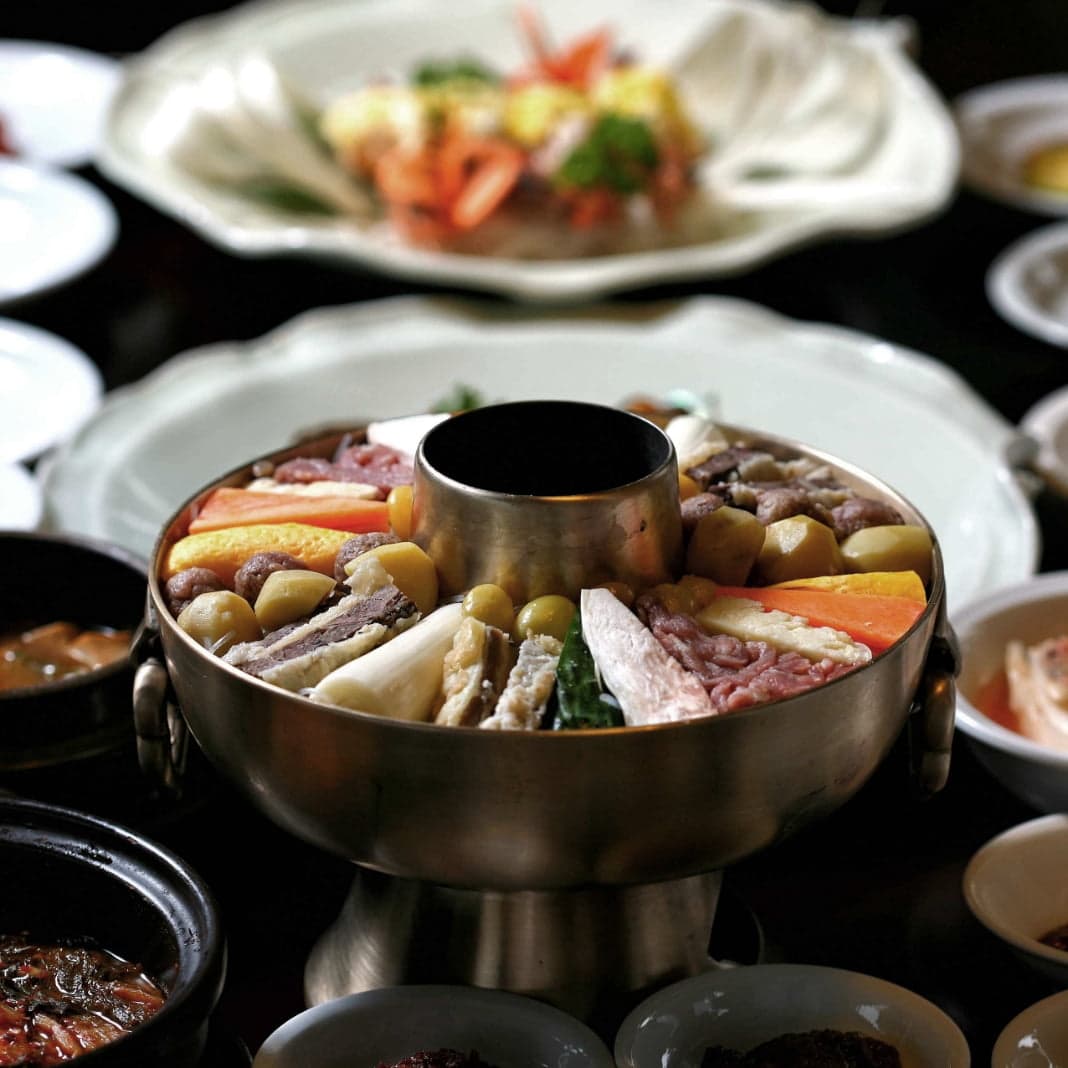
Cooking Class
Join hands-on Korean cooking classes where you can learn to make dishes like bulgogi, kimchi, bibimbap, or tteokbokki. Great for food lovers and culture seekers.
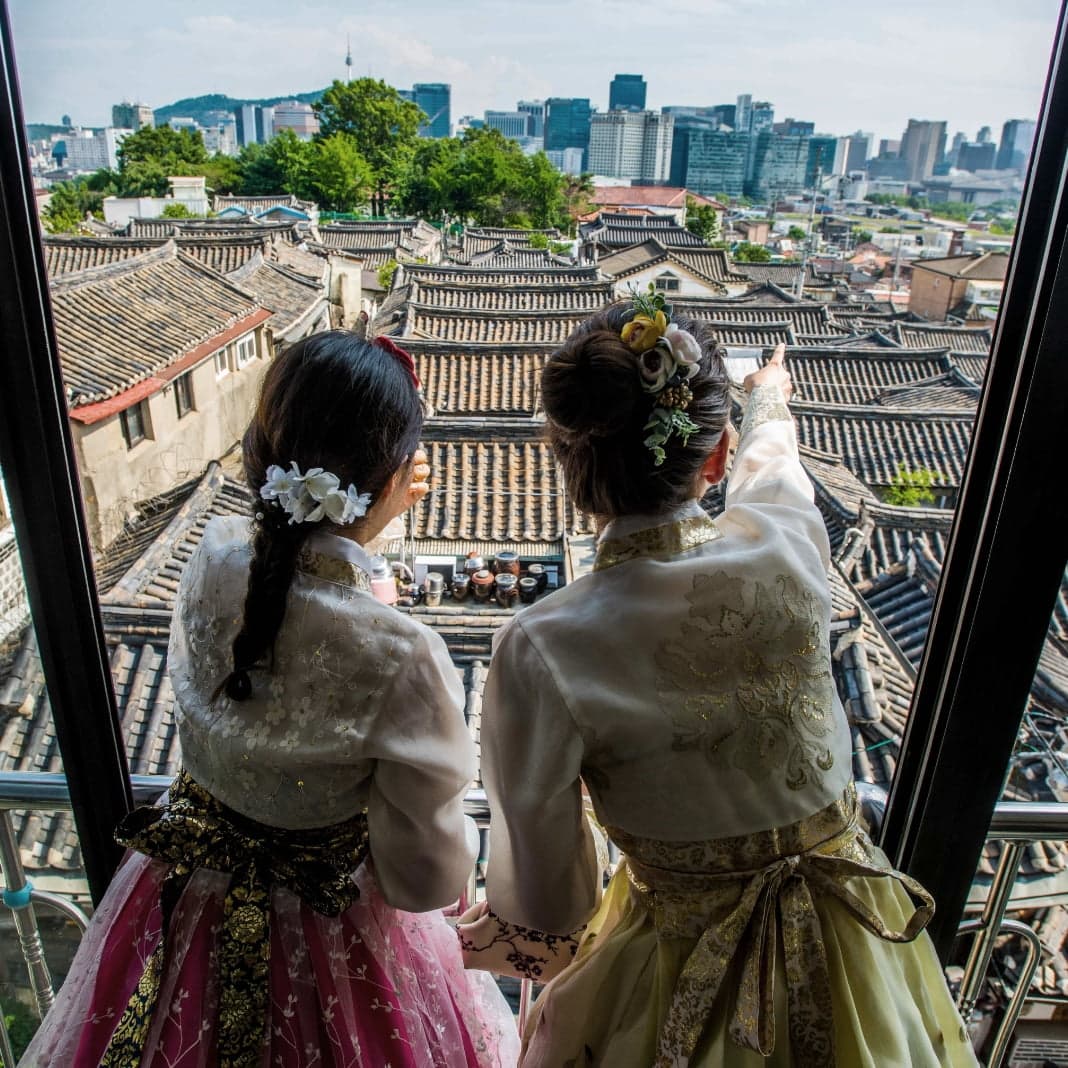
Hanbok Photo Experience
Wear traditional Korean clothing (hanbok) and take photos at iconic spots like Gyeongbokgung Palace, Bukchon Hanok Village, or Jeonju Hanok Village. A fun and Instagram-worthy way to experience Korean culture.
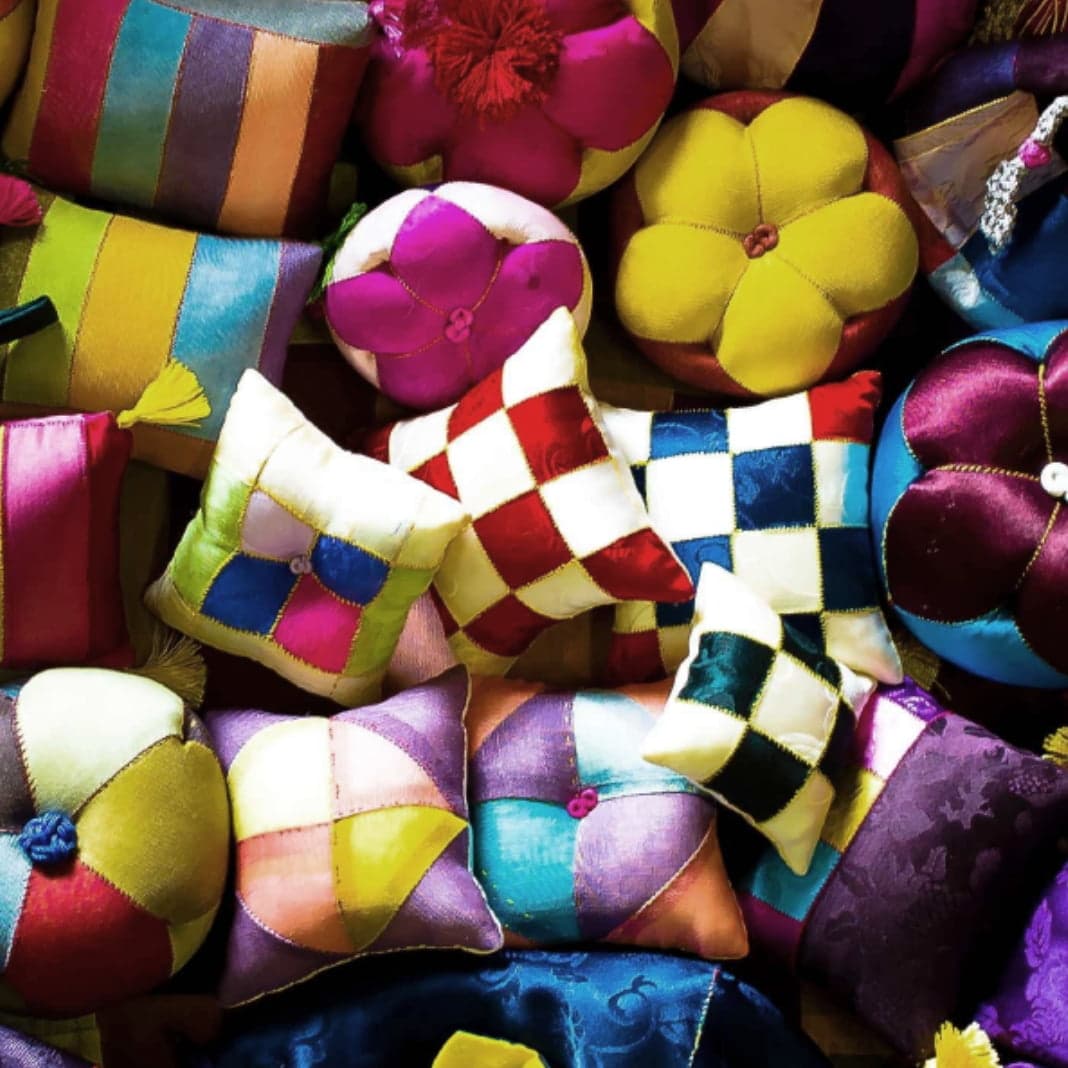
Craft-making Experience
Try traditional crafts like hanji (Korean paper) art, knot-tying, fan decorating, or ceramics. These workshops are hands-on and offer a memorable souvenir to take home.
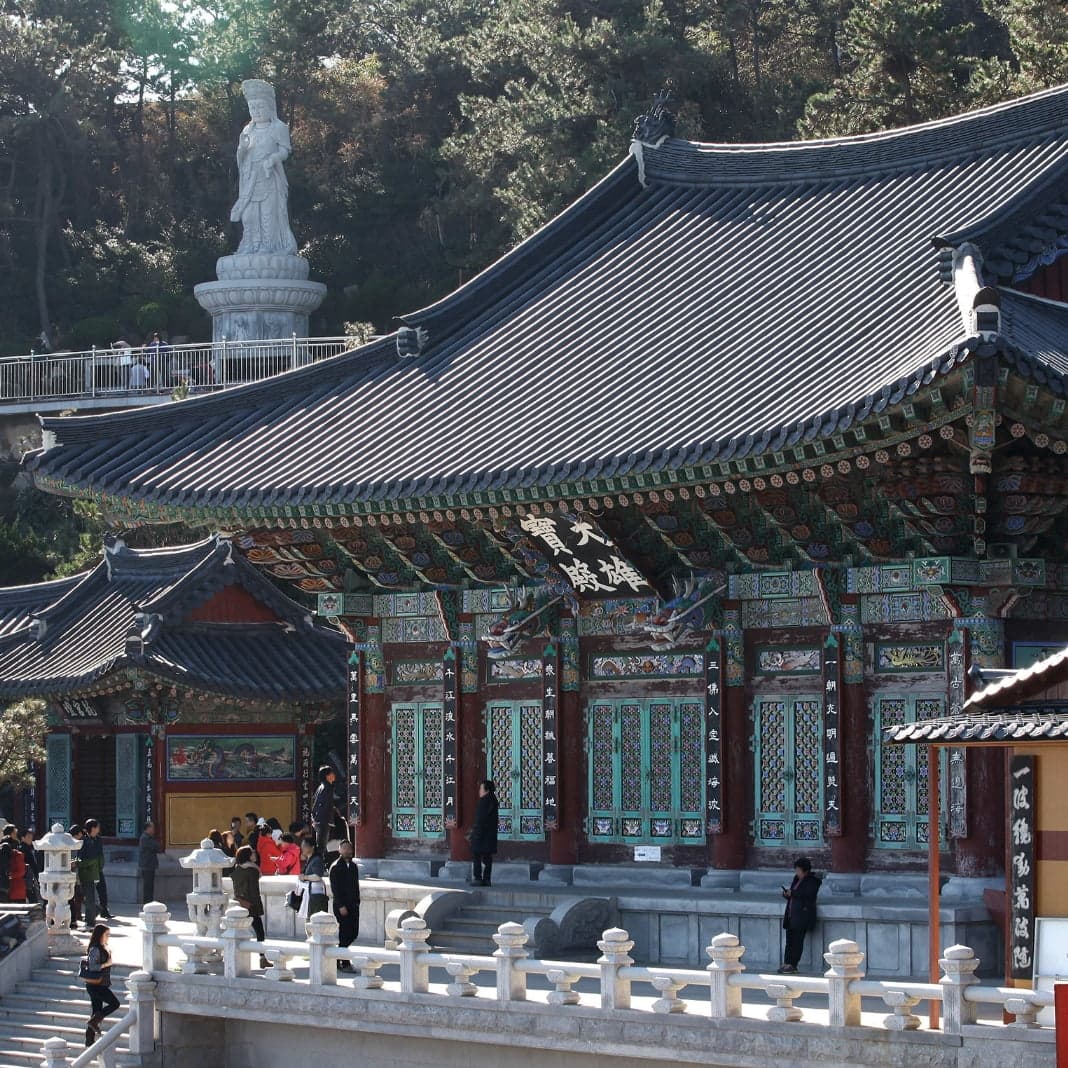
Temple Stay
Spend a night or two at a Buddhist temple. Experience meditation, tea ceremonies, monastic meals, and early morning chanting. Ideal for cultural immersion and mental reset.

K-pop Dance Class
Learn choreography from real K-pop songs taught by professional dancers. A hit with international fans and anyone curious about the K-wave.
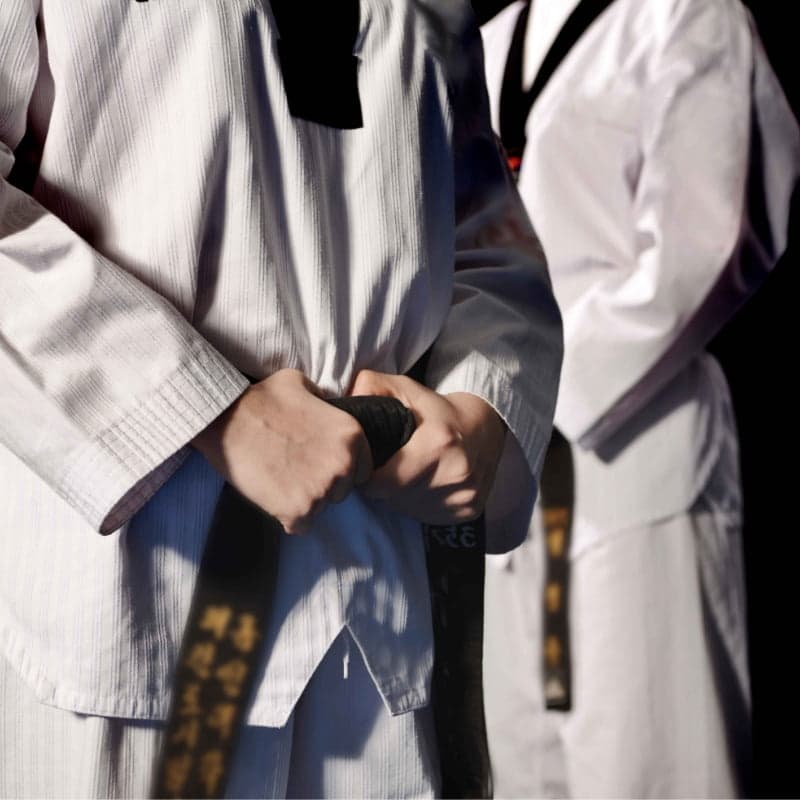
Taekwondo Experience
Try Korea’s national martial art with a beginner-friendly class. Some programmes include performances and belt-tying ceremonies.
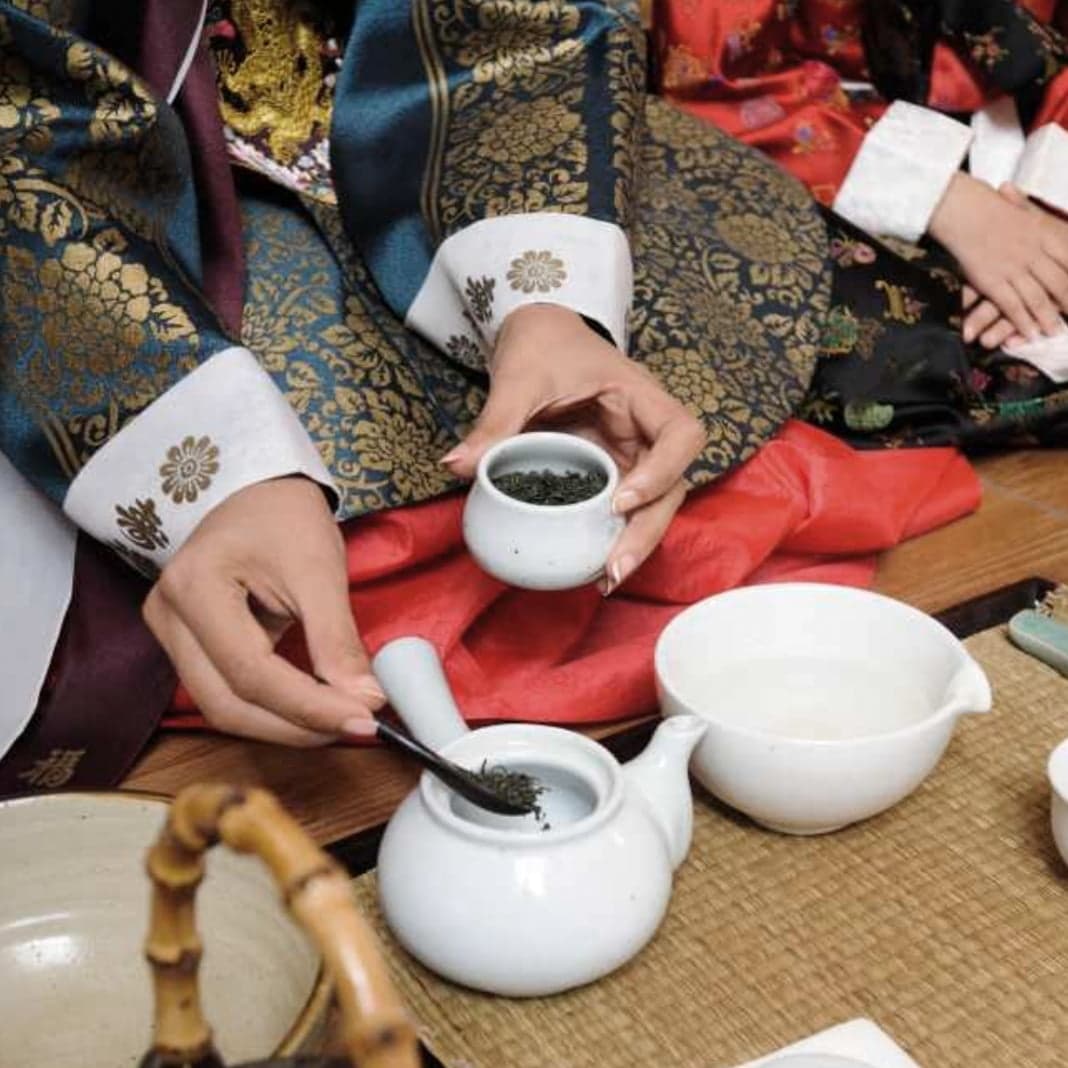
Korean Tea Ceremony
Experience Korea’s traditional tea culture through guided tea brewing, tasting, and etiquette in serene settings.
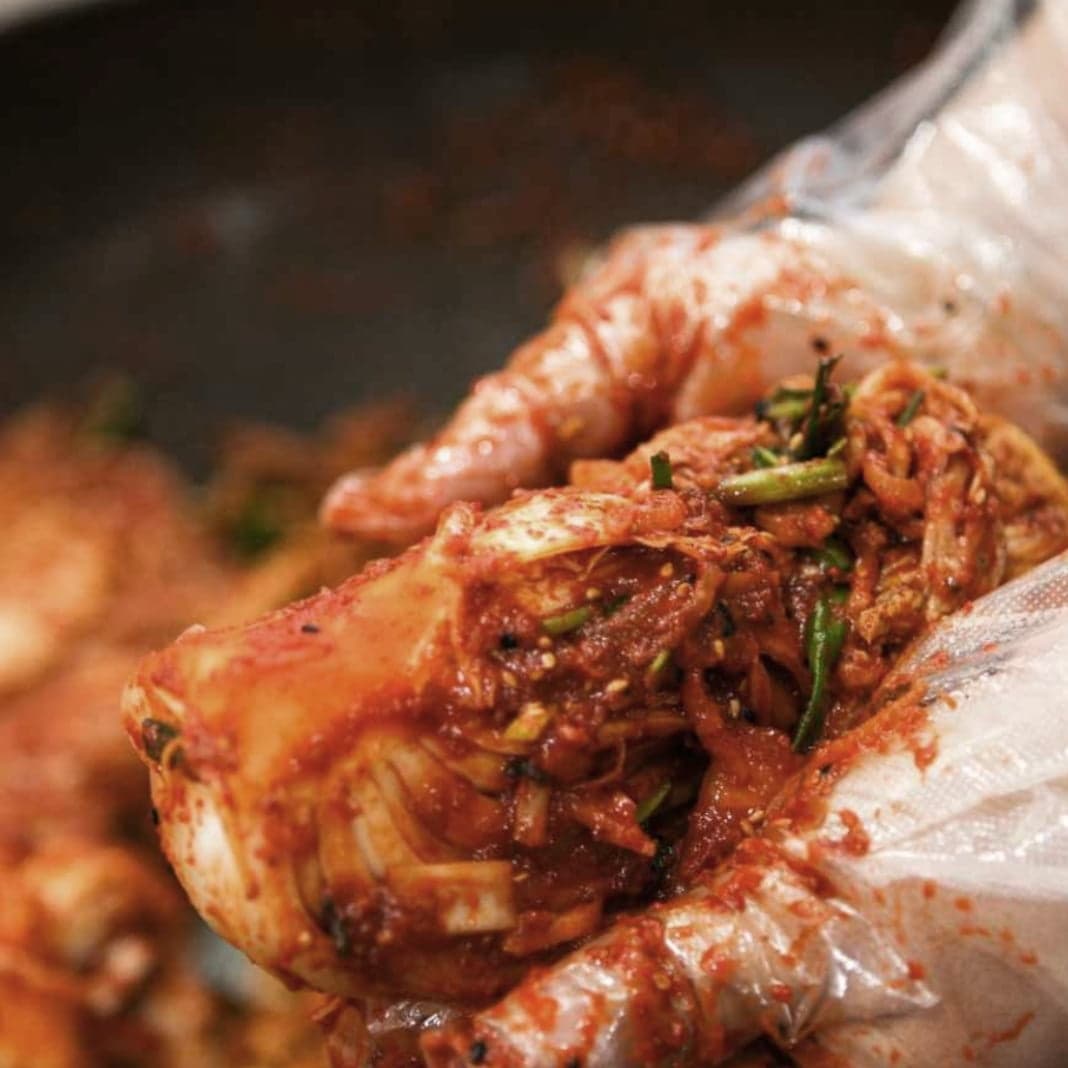
Kimchi-making Class
Specialised workshops that dive into Korea’s most iconic fermented dish. You’ll make, pack, and maybe even take some home.
Personal Colour Analysis
Get a one-on-one consultation to discover which colours match your skin tone, eye colour, and overall style. Popular among beauty and fashion-conscious visitors.
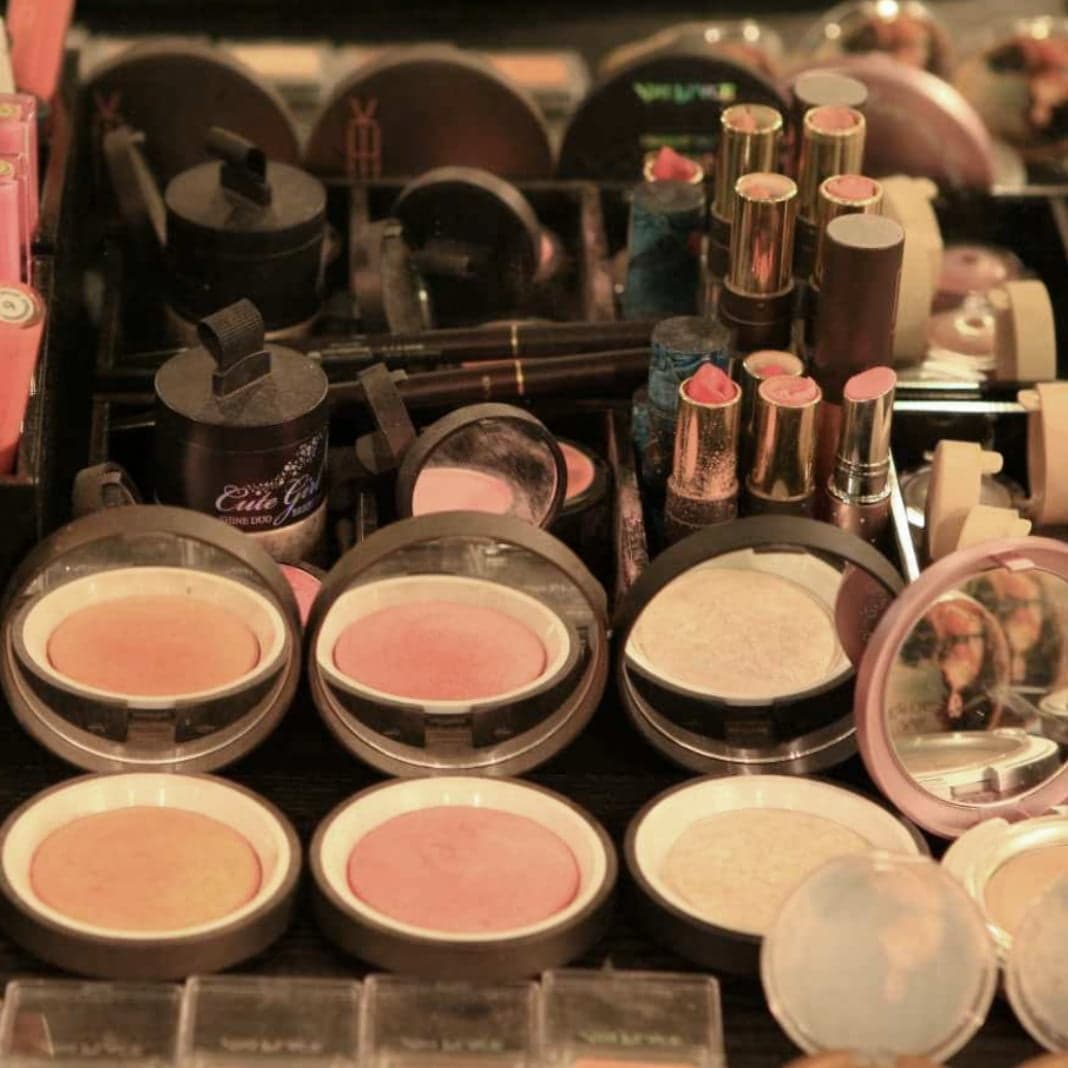
K-Beauty Makeover
Experience a full Korean-style makeover with skincare, makeup, and hair styling done by local beauty professionals. Often includes a photo shoot session.
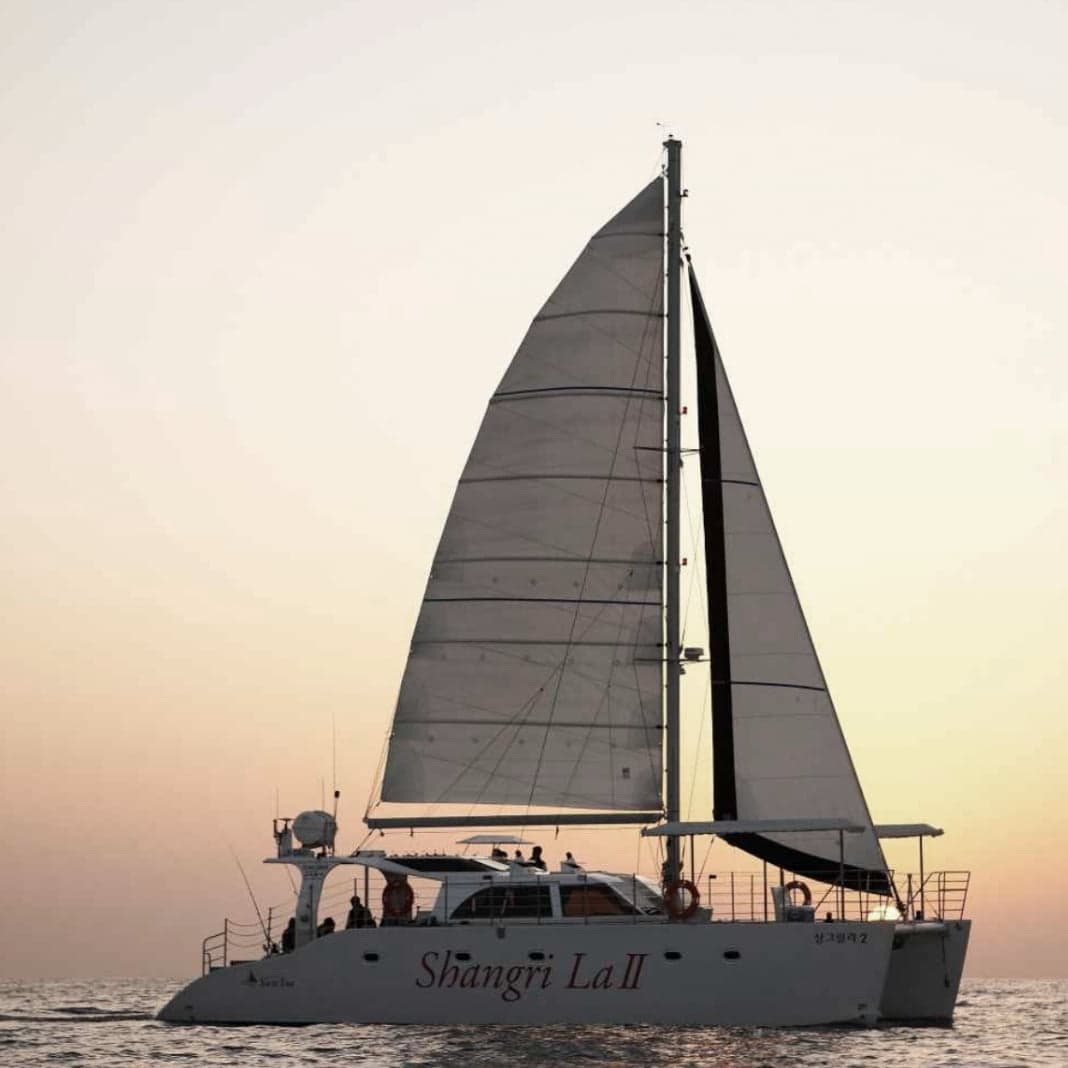
Yacht Tour in Haeundae
Enjoy a luxurious yacht ride off the coast of Haeundae Beach. Sunset cruises with music, wine, and skyline views make it one of Busan’s top premium experiences.
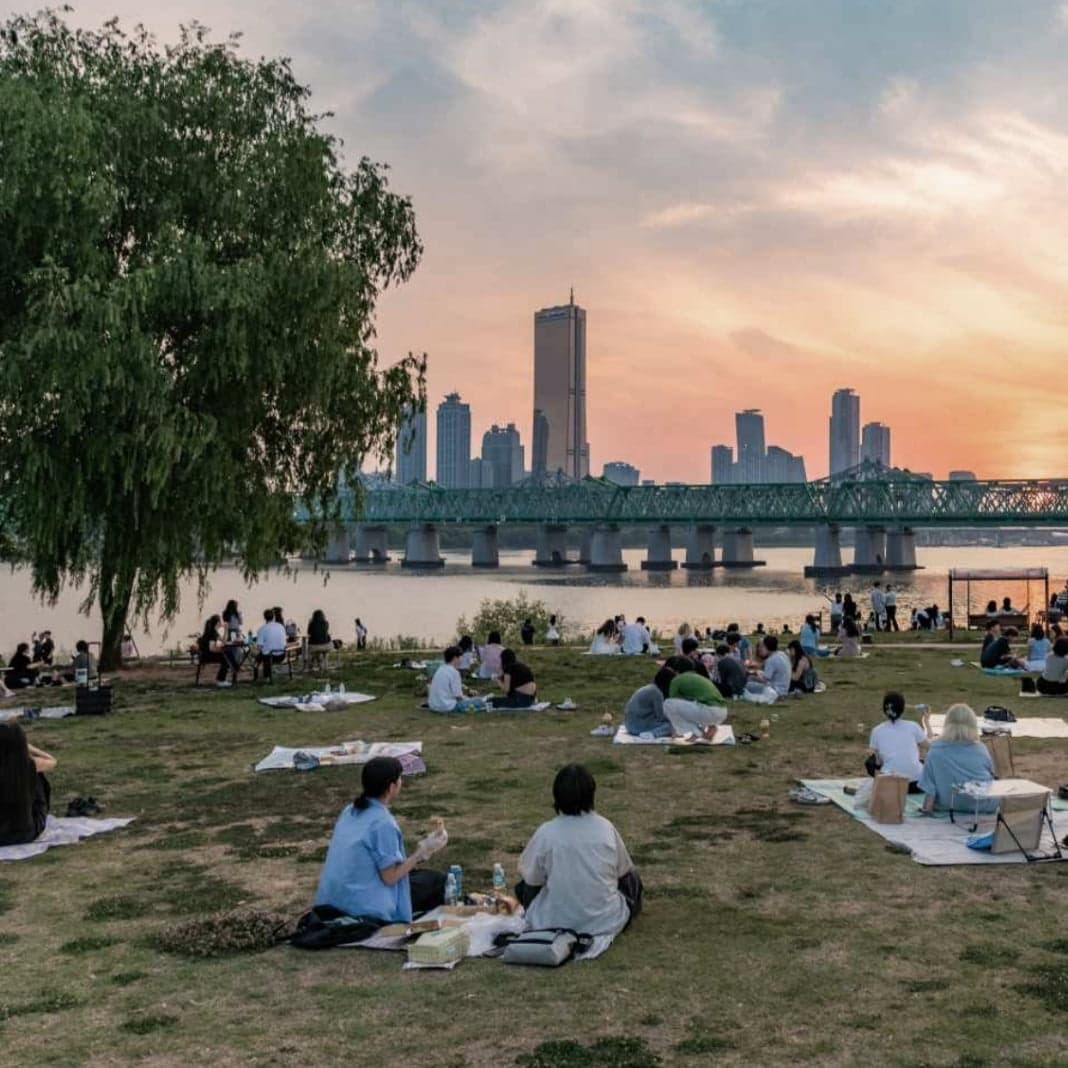
Delivery Food Picnic
Grab a picnic mat, head to a park (like Yeouido Hangang Park), and order Korean fried chicken or tteokbokki via delivery apps. Super local, chill, and fun.

K-Noraebang (Korean Karaoke)
Sing your heart out in private karaoke rooms with high-tech systems, neon lights, and tambourines. Great for friends, couples, or solo fun.
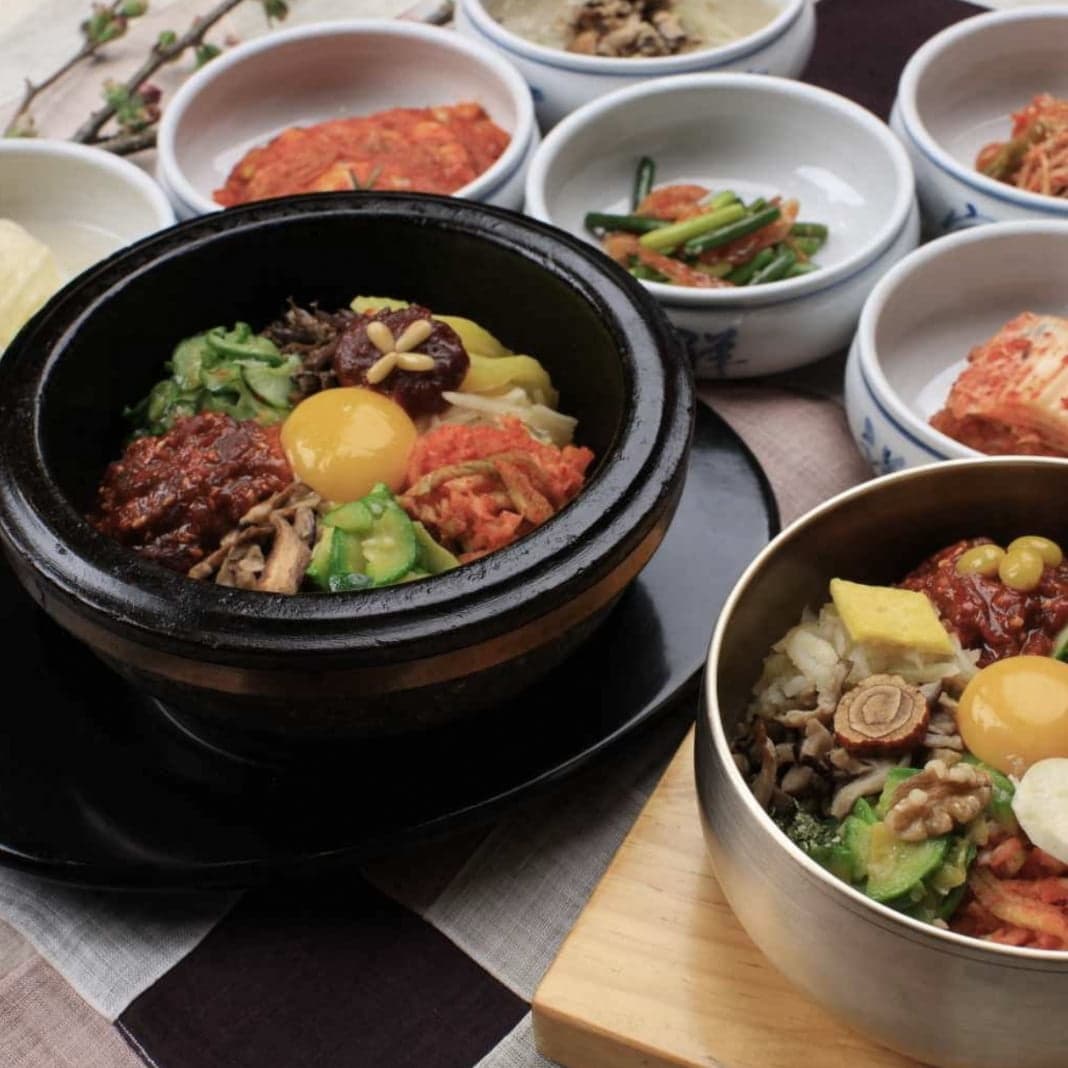
Traditional Market Food Tour
Explore street food in markets like Gwangjang, Tongin, or Namdaemun. Must-tries: mayak gimbap, hotteok, bindaetteok, and sundae.
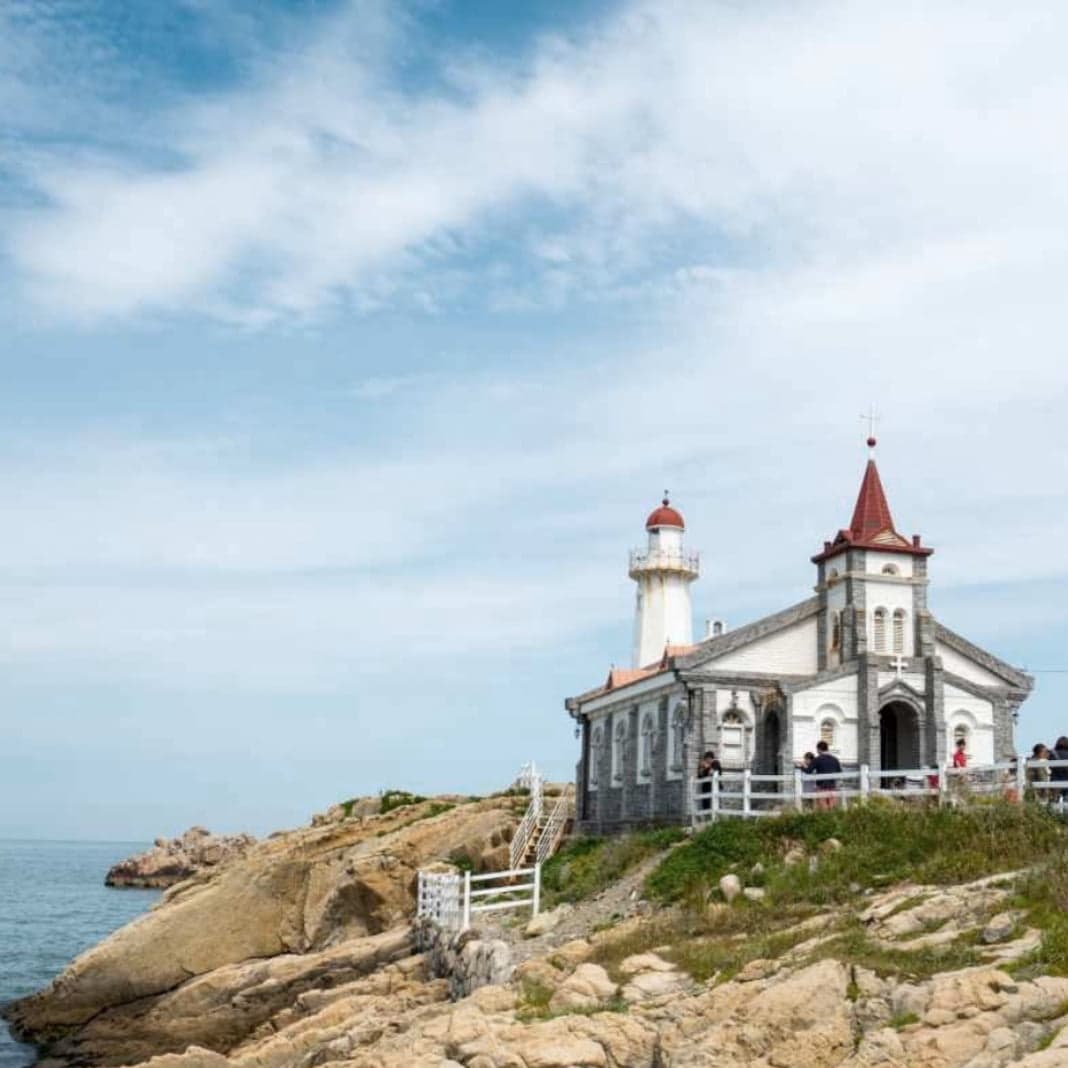
K-Drama Filming Location Tour
Visit real-life spots from famous dramas like Crash Landing on You, Goblin, Itaewon Class, or Kingdom. Perfect for fans of Korean shows.
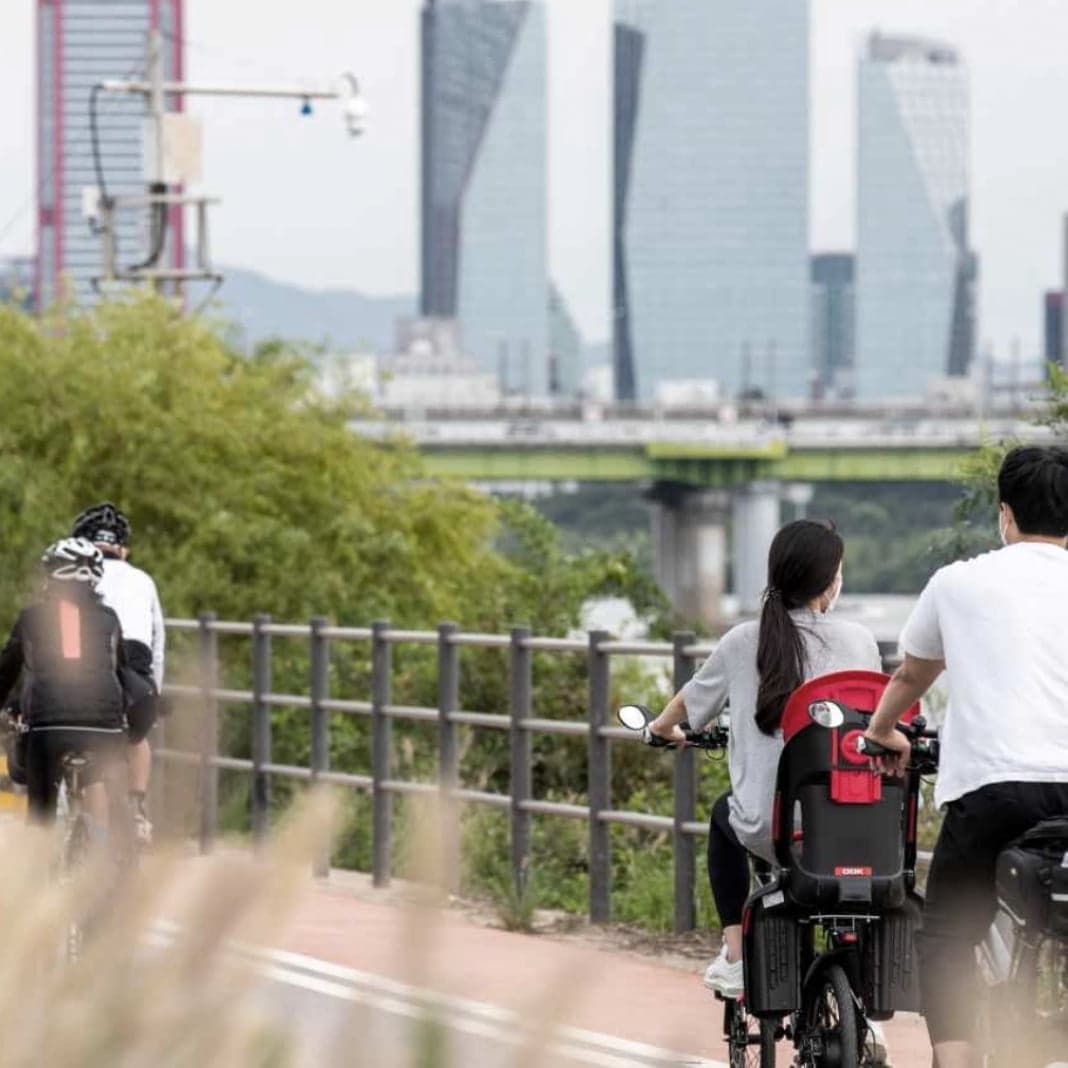
Biking
Rent a bike and cruise along the scenic paths of the Han River. Multiple rental stations, river cafés, and easy trails make this a local favourite.
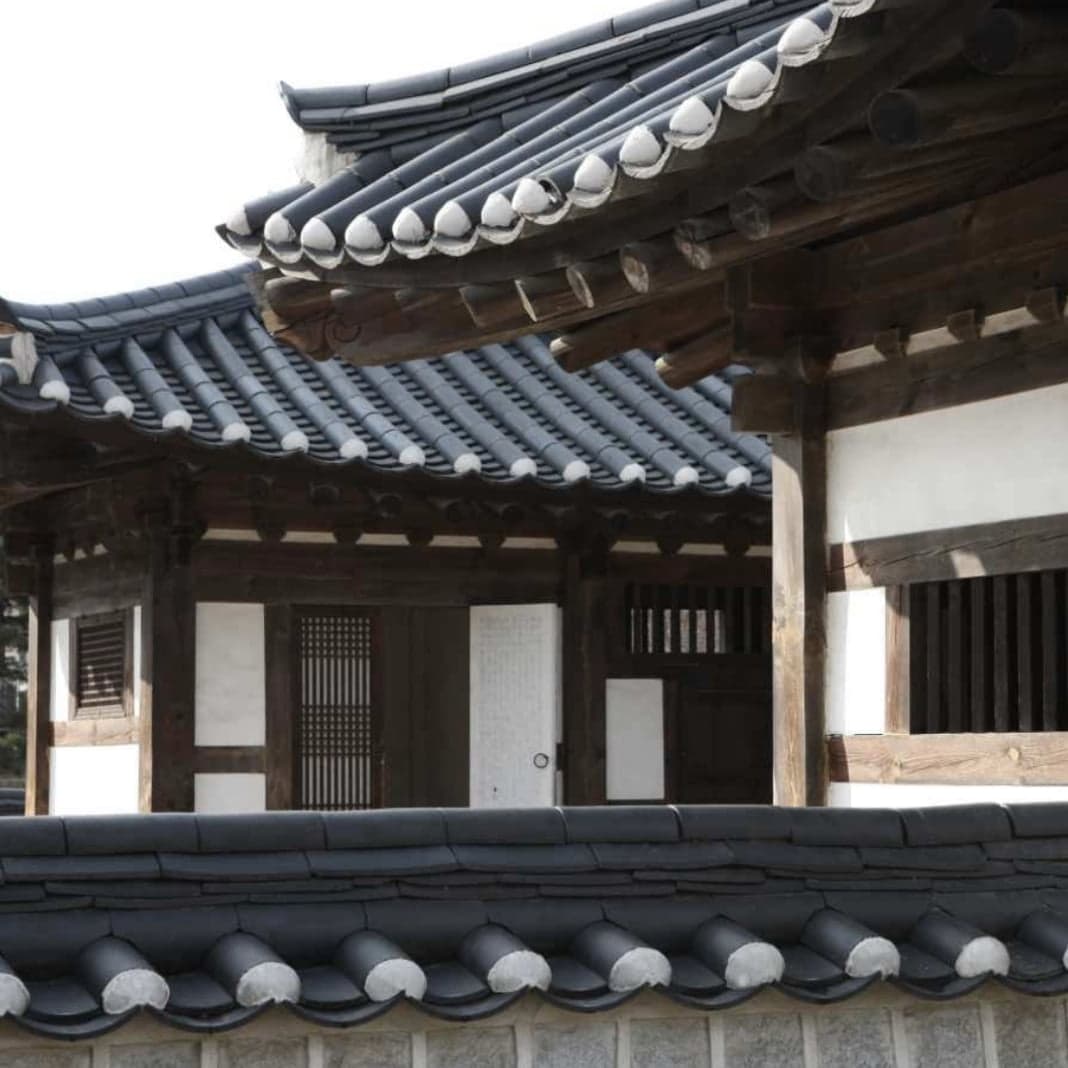
Hanok Stay Experience
Sleep in a traditional Korean hanok house, especially in Jeonju, Bukchon, or Gyeongju. Great way to feel the slower, peaceful rhythm of old Korea.
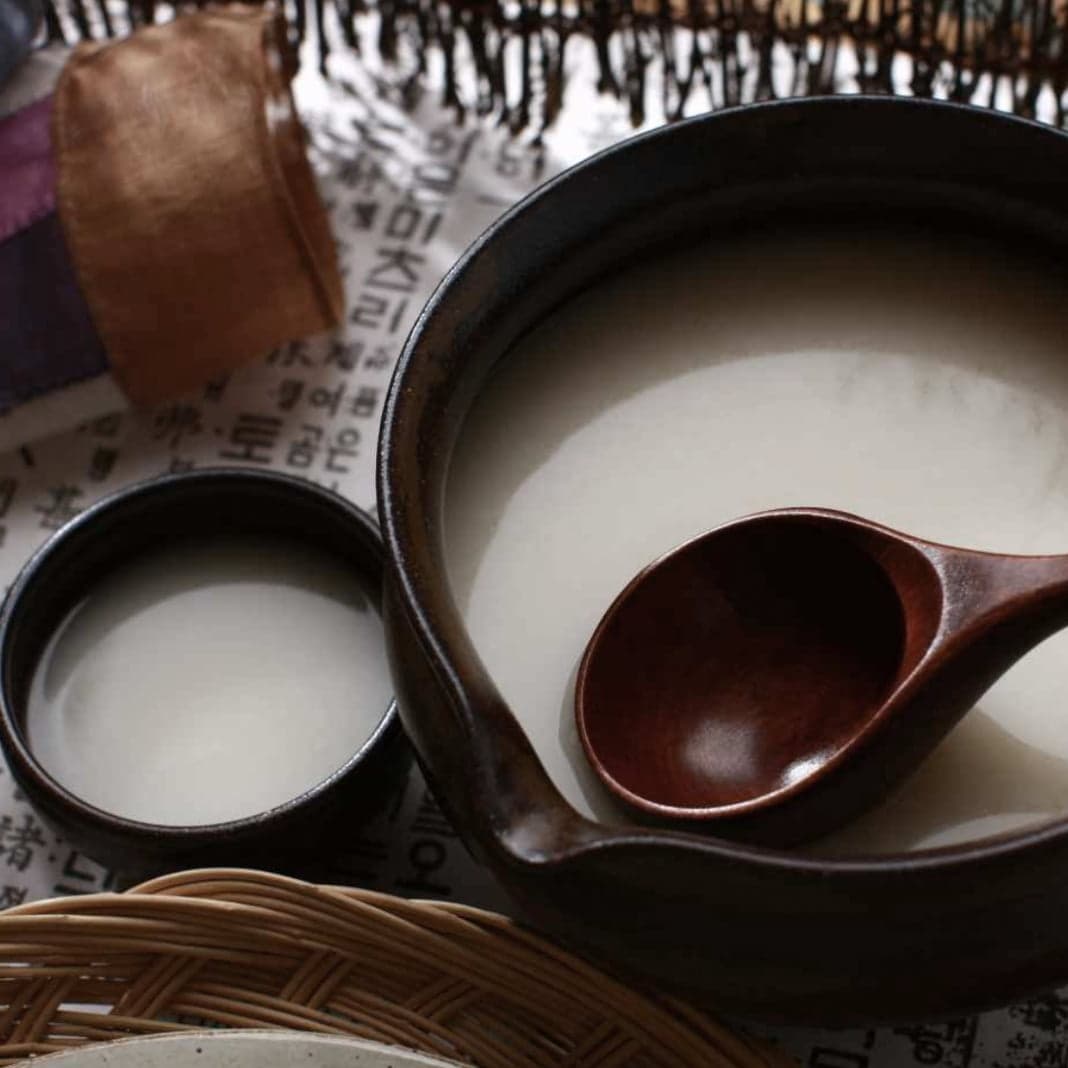
Makgeolli Experience
Make and taste Korea’s traditional rice wine in a fun, hands-on class. Learn the brewing process, try different flavours, and enjoy it with Korean snacks. Great for culture and food lovers.
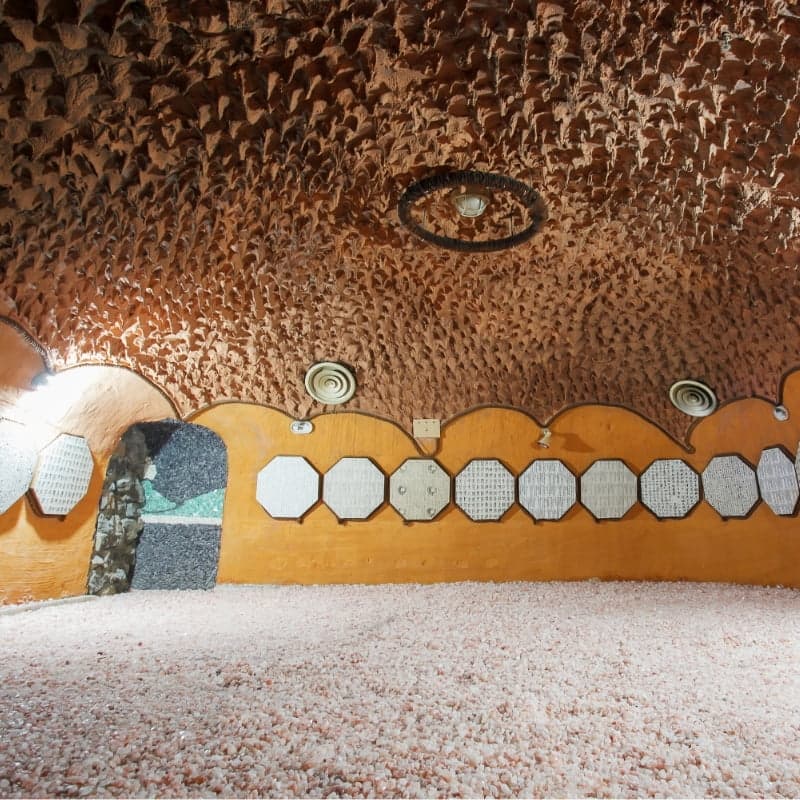
Jjimjilbang Experience
Try out bulgama (fire kiln), ocher rooms, and ice rooms. You can also enjoy local snacks such as sikhye (sweet rice drink) and baked eggs.
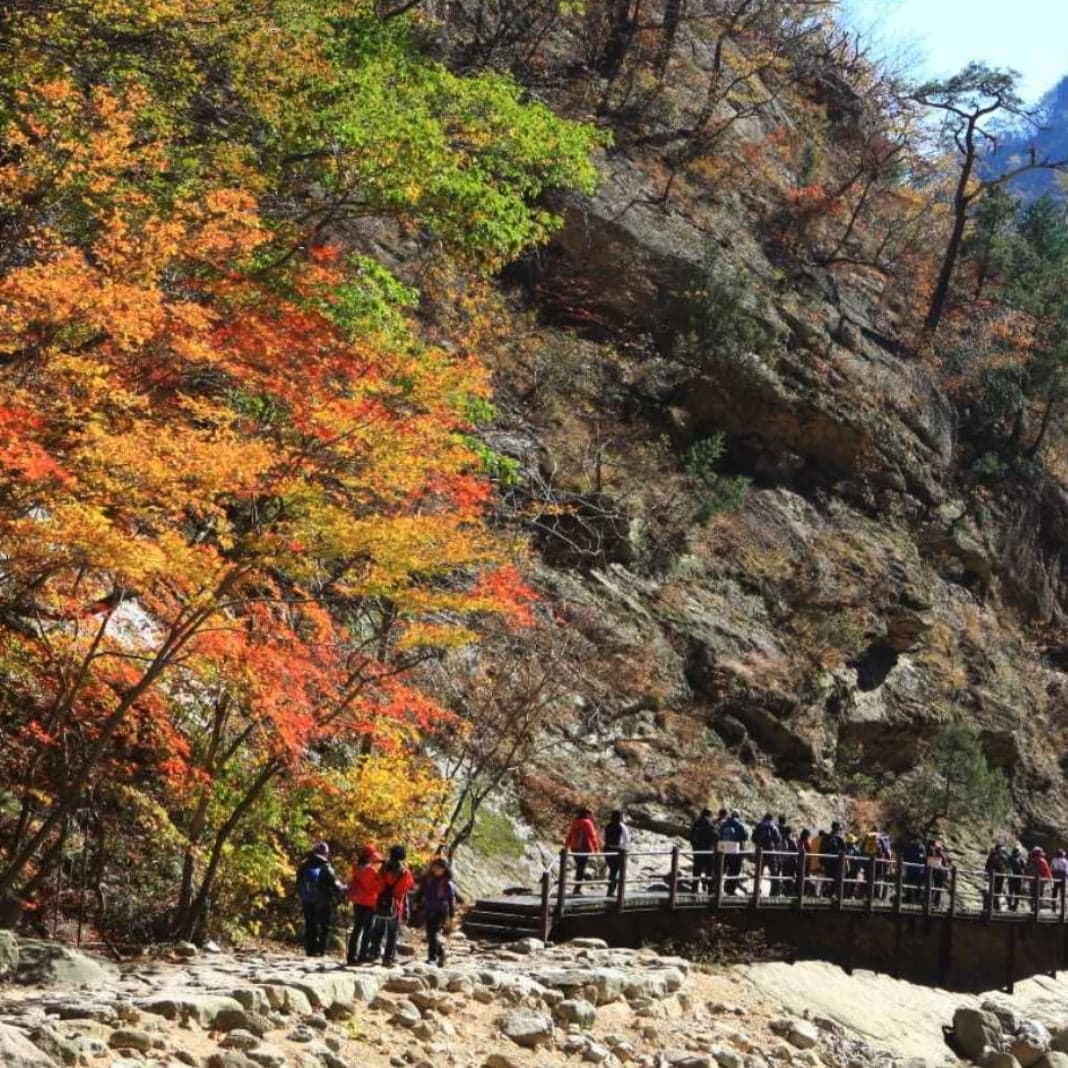
Hiking
Explore scenic trails in National Parks. A favourite activity for both locals and visitors, offering easy access to nature just outside the city.
Temples in Korea
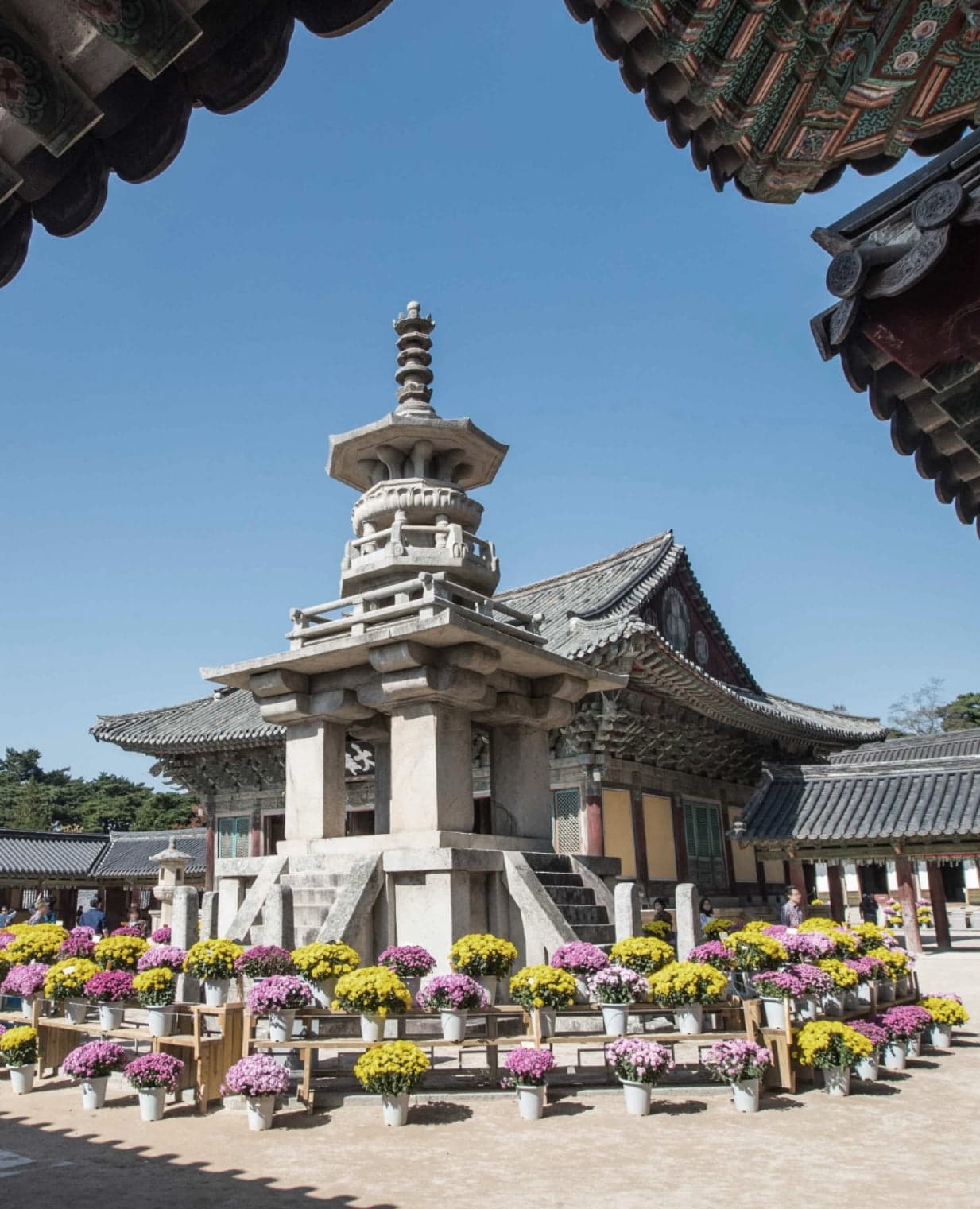
Bulguksa Temple
Gyeongju
A UNESCO World Heritage Site, Bulguksa is one of Korea’s most famous temples. It represents the artistic peak of Silla architecture and Buddhist culture.
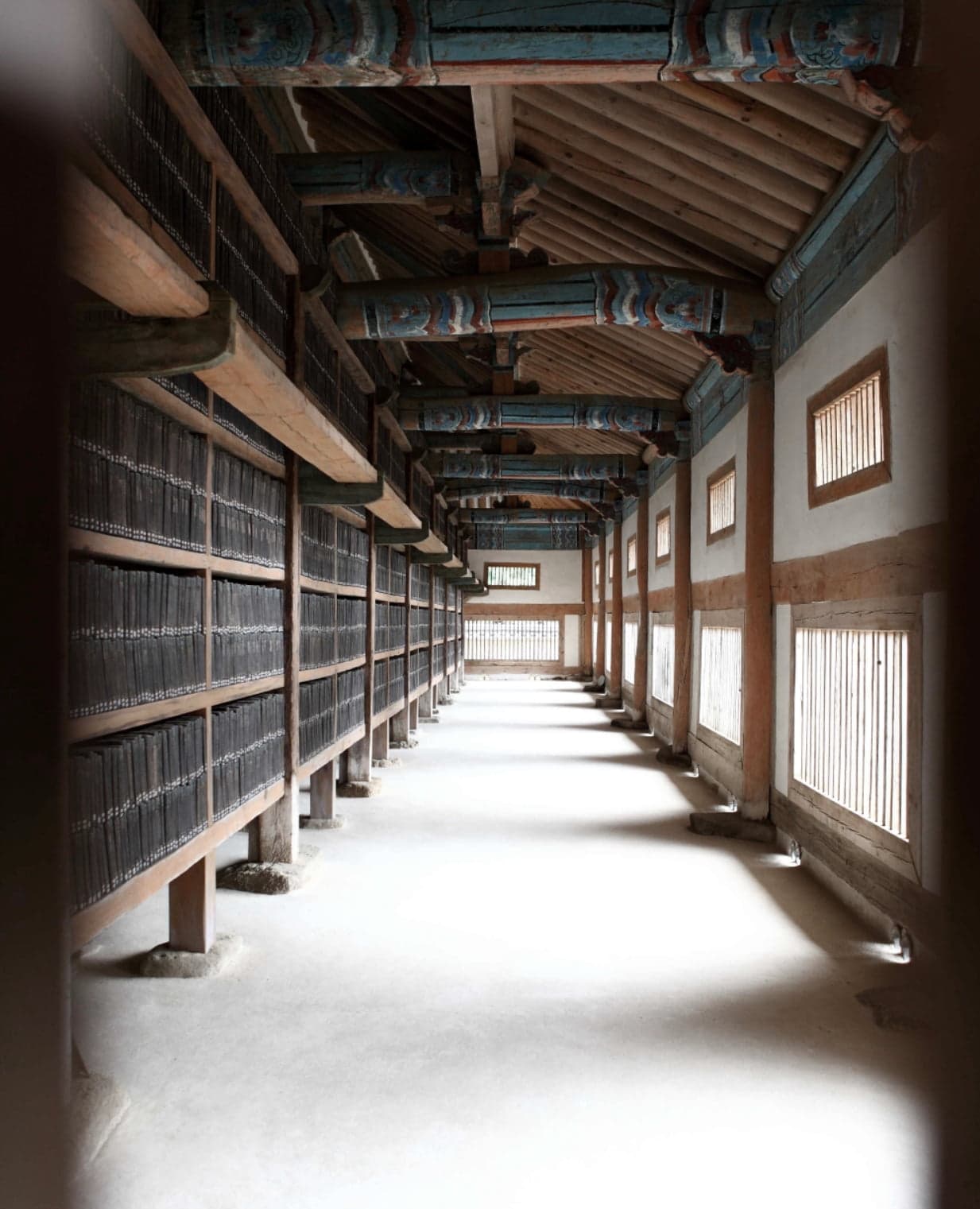
Haeinsa Temple
Hapcheon
Home to the Tripitaka Koreana, the world’s oldest intact Buddhist scriptures carved on woodblocks. A UNESCO site located in the serene Gayasan National Park.
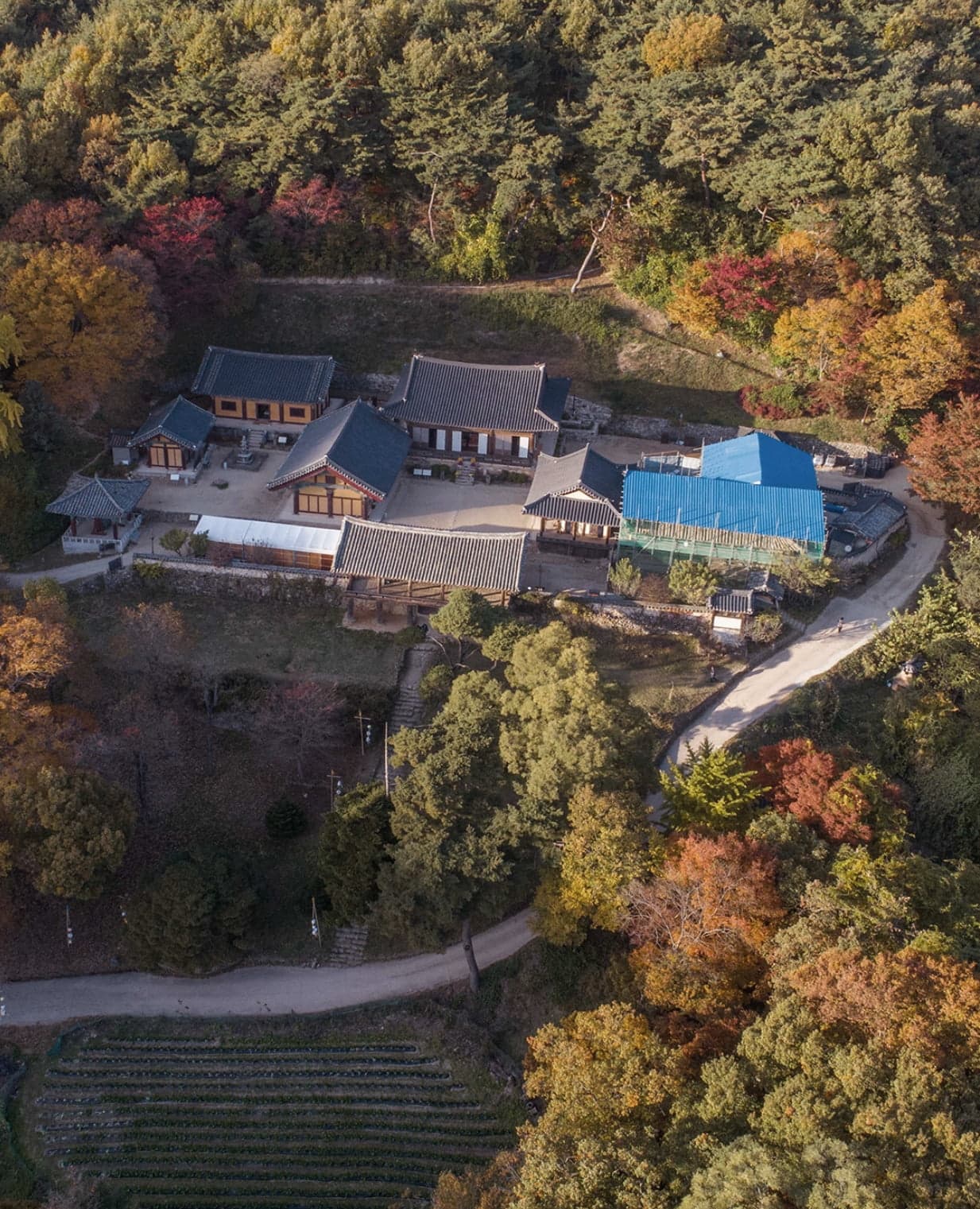
Bongjeongsa Temple
Andong
Famous for having the oldest wooden building in Korea (Geungnakjeon Hall). It reflects traditional architecture from the Goryeo and early Joseon periods.
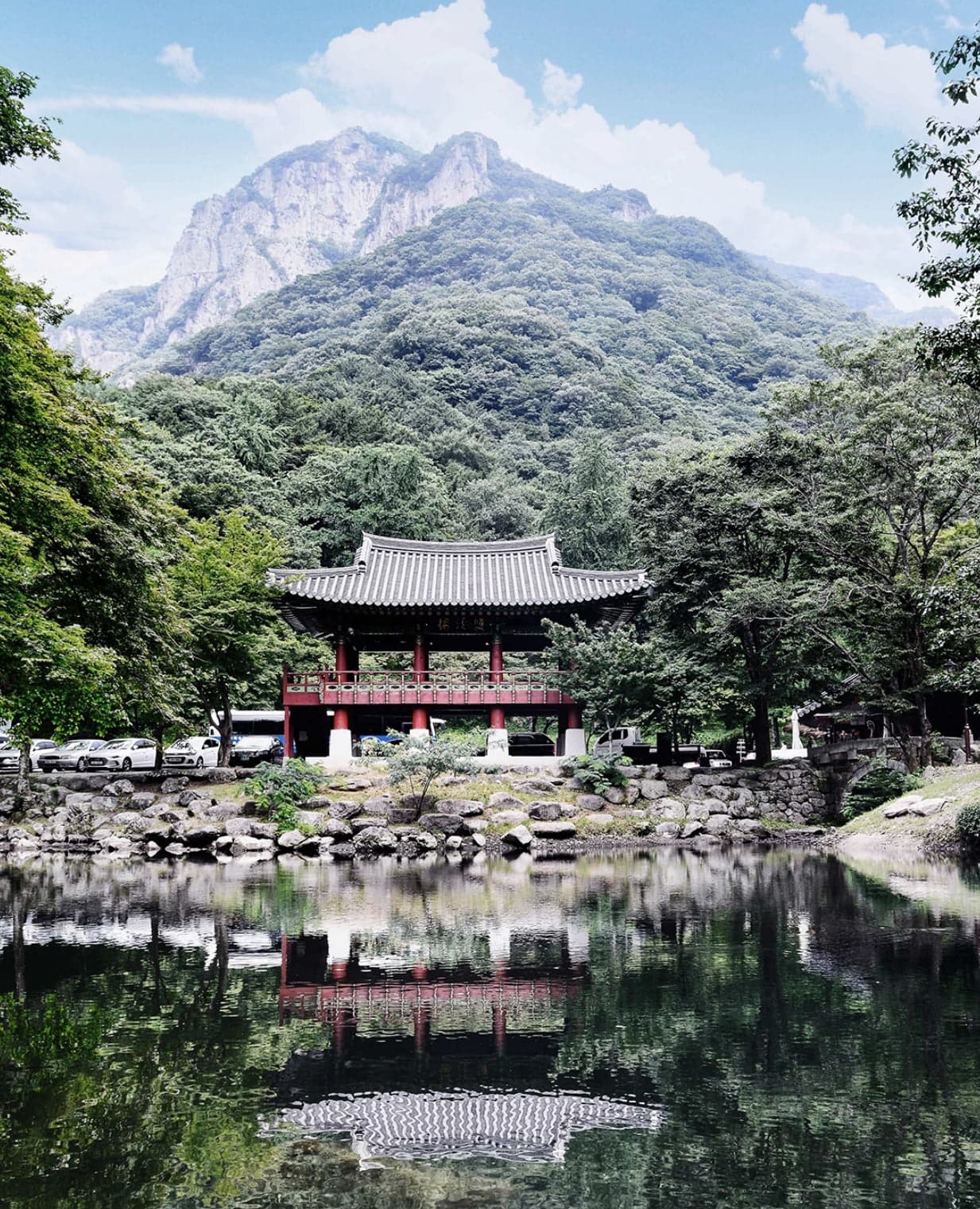
Baegyangsa Temple
Jangseong
Nestled deep in Naejangsan National Park, it’s renowned for stunning fall foliage and peaceful mountain scenery.