• Curious Korea

    #C539, 5th Floor, GLITE Bldg, 88 Cheonhoyet-gil,
    Gangdong-gu, Seoul, 05379

  • Phone

    +82 10-9952-2313

  • E-mail

    info@curiouskorea.com

15 Themes — No. 12 · HERITAGE

FOLLOW THE UNESCO

Korea’s World Heritage sites are not ruins behind glass — palaces still used for ceremony, villages still lived in, temples still holding services. We route them so the story runs in order instead of arriving as a checklist.

FOLLOW THE UNESCO

The experiences

11 ways into this theme

Changdeokgung Palace & the Secret Garden

Seoul · Jongno

Changdeokgung Palace & the Secret Garden

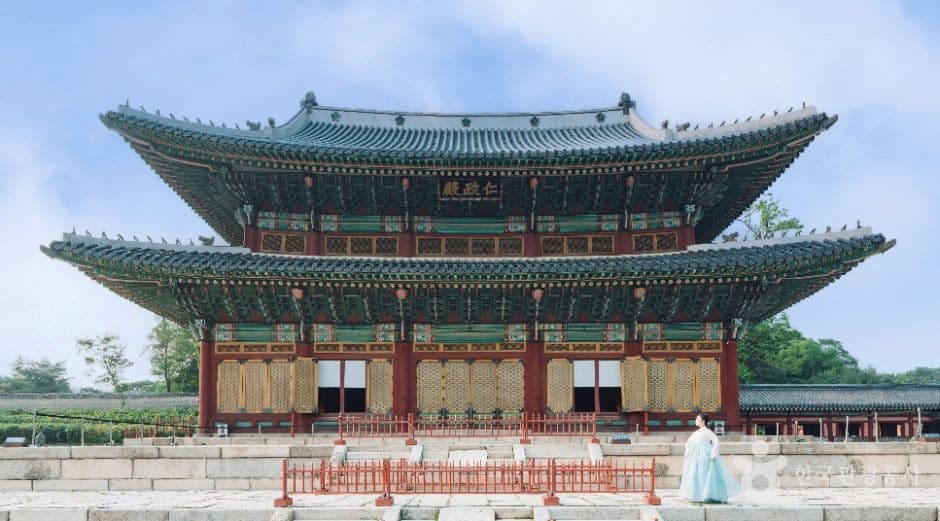
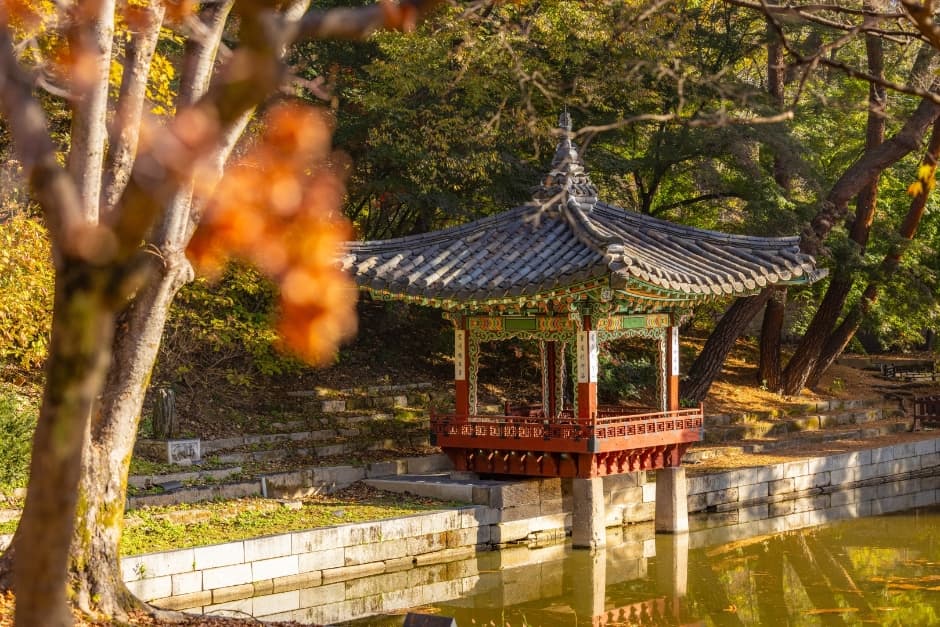
Tour Changdeokgung, the palace the Joseon kings actually preferred, and take the timed Huwon walk — the Secret Garden of pavilions, lotus ponds and three-hundred-year-old trees behind the palace wall.

It is the World Heritage palace that was built to follow the hillside instead of flattening it — the clearest lesson in how Korean architecture treats landscape as a partner.

All year2-3hEasy going
Who it suitsThe one palace to do properly if the group only has time for one.
LanguageGuided Huwon tours run in English at set times
BookingHuwon entry is timed and capped — we reserve ahead
Season & hoursClosed Mondays
Jongmyo Shrine

Seoul · Jongno

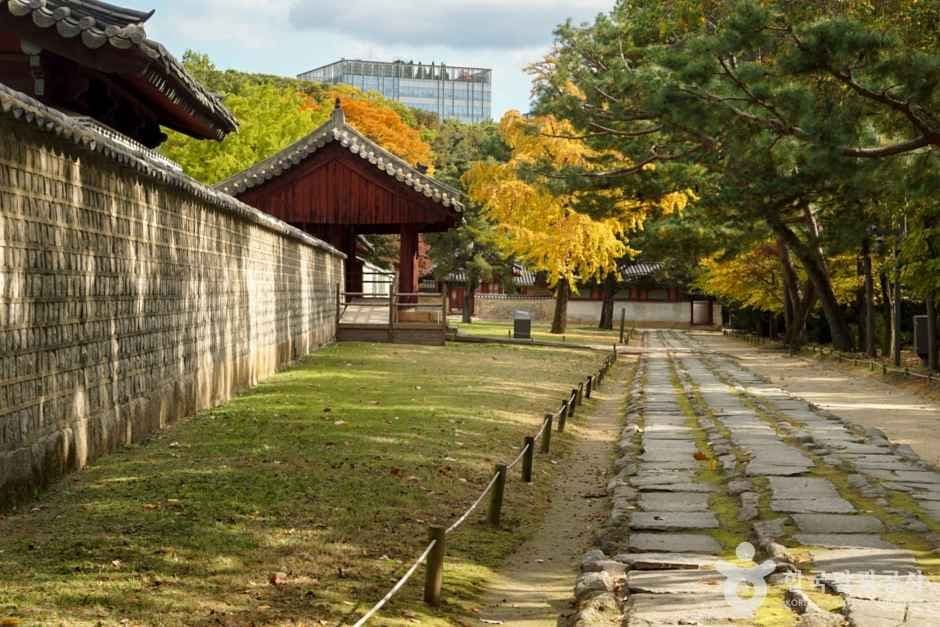
Jongmyo Shrine

Walk the raised spirit path of Jongmyo, the royal ancestral shrine — long, low, almost empty halls holding the tablets of the Joseon kings, in the deliberate silence the site was designed for.

The ritual held here has run for six centuries with its original music and choreography intact; UNESCO lists both the shrine and the rite.

All year1-2hEasy going
Who it suitsFor travellers who respond to restraint — the quietest, gravest place in central Seoul.
LanguageEnglish guided tours at fixed times
BookingWeekdays are guided-tour only — free walking on Saturdays
Season & hoursClosed Tuesdays
Bulguksa & Seokguram

Gyeongju

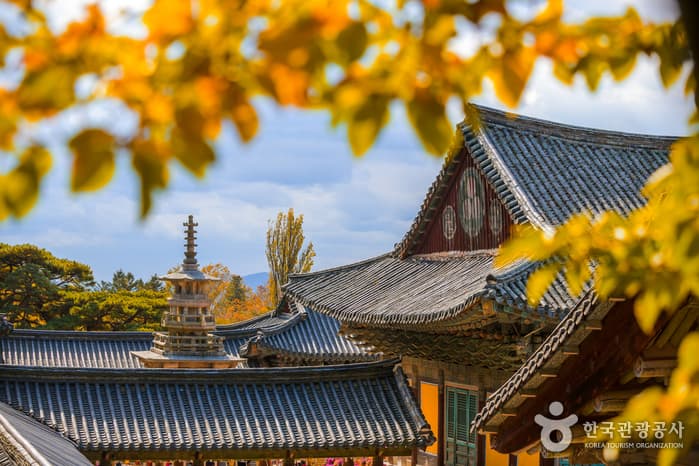
Bulguksa & Seokguram

Take the classic Silla pairing above Gyeongju: Bulguksa temple with its stone terraces and twin pagodas in the morning, then the mountain road up to the Seokguram grotto Buddha looking out toward the East Sea.

Eighth-century engineering and devotion in one commission — the grotto's granite dome was assembled without mortar and has held its Buddha for thirteen hundred years.

All yearhalf dayModerate
Who it suitsThe heart of any heritage itinerary — and Gyeongju's single unmissable half day.
Season & hoursGrotto viewing is through glass; early morning avoids both crowds and heat
Hahoe Folk Village

Andong

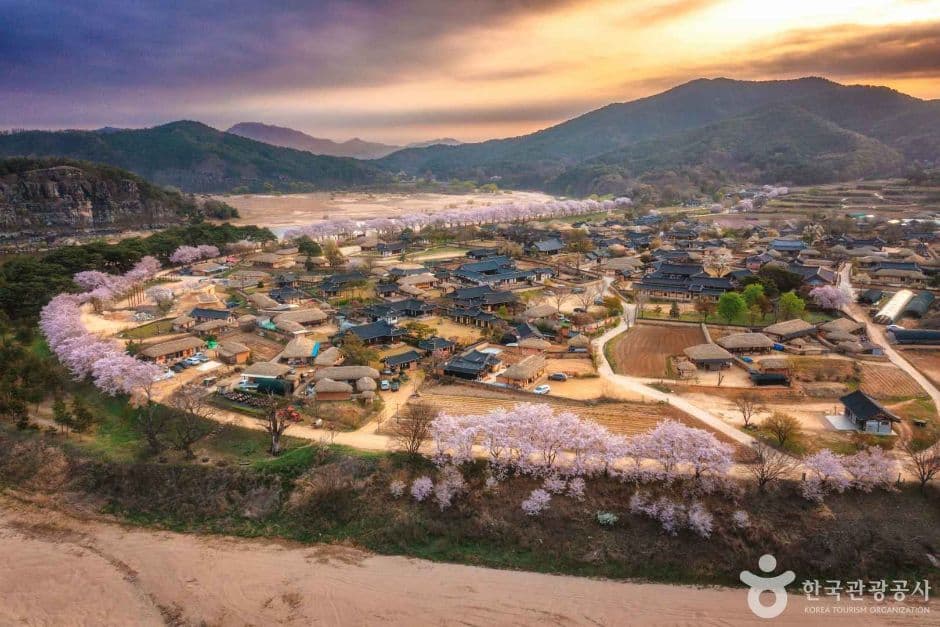
Hahoe Folk Village

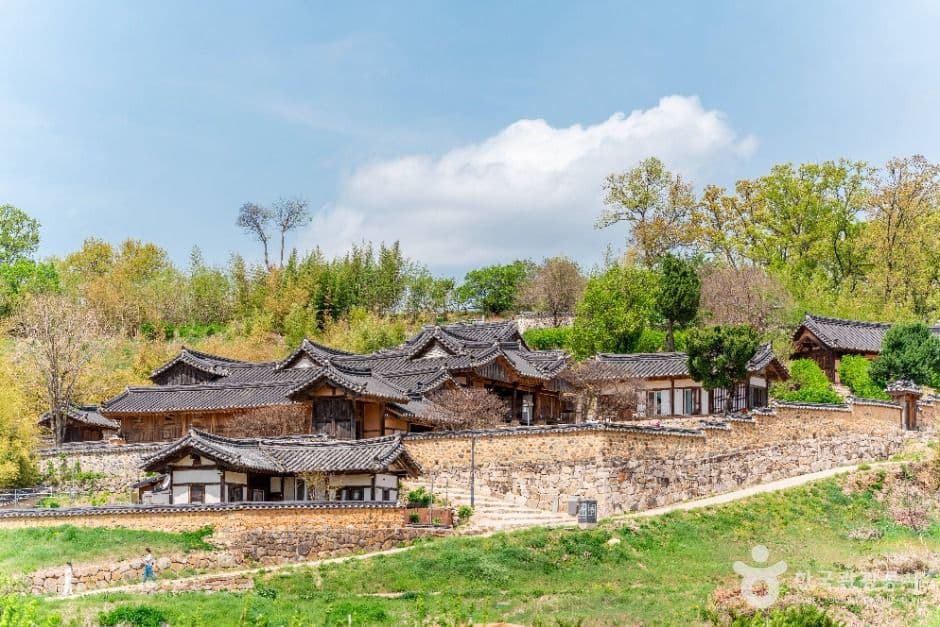
Spend a slow afternoon in Hahoe, a Ryu-clan village inside a loop of the Nakdong River — tiled scholar houses and thatched cottages still lived in, with the mask dance performed in the village square.

It is a five-hundred-year-old settlement that never became a museum: the same families still farm the fields the village was built to work.

Spring · Autumnhalf dayEasy going
Who it suitsThe living-heritage day that balances the palaces and temples.
LanguageMask dance needs no language; guide gives the context
BookingMask dance performance times are fixed — we schedule around them
Seongsan Ilchulbong Sunrise Peak

Jeju · Seongsan

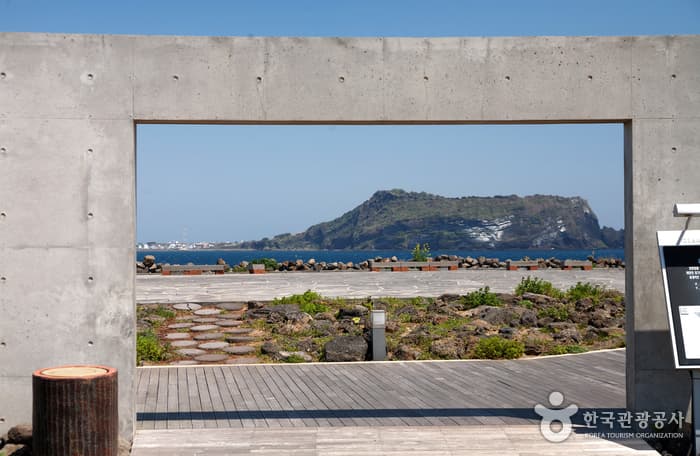
Seongsan Ilchulbong Sunrise Peak

Climb the stepped path up Seongsan Ilchulbong, a tuff cone thrown up from the seabed, for the crater bowl and the coastline from the rim — best at sunrise, which is what the name promises.

Jeju's volcanic island and lava tubes are Korea's only natural World Heritage listing, and this crater is its postcard.

All year2hModerate
Who it suitsThe Jeju heritage stop that doubles as the trip's best photograph.
Season & hoursAbout 180m of stairs; windy at the rim
Into the Getbol: Sinan's World-Heritage Mudflats

Sinan · Sinan Getbol

Into the Getbol: Sinan's World-Heritage Mudflats

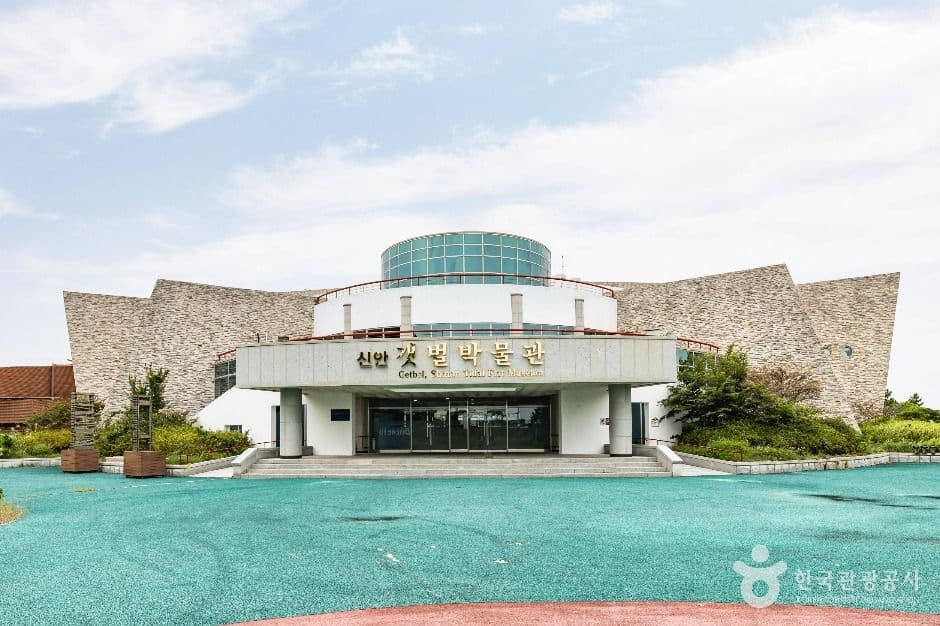
Walk the largest section of Korea's UNESCO tidal flats — clam digging, traditional drag-net fishing, salt-plant spotting and the getbol museum, out among Sinan's thousand islands.

Over 85% of the listed getbol lies here, where flats, islands, fishing villages and salt fields interlock into one living coastal system.

All yearhalf dayModerate
Who it suitsCoastal ecology and local life in one uniquely Korean landscape — combinable with Taepyeong salt fields, Purple Island, Cheonsa Bridge and the Infinity Bridge into a full-day programme.
LanguageInterpreter needed
BookingReservation essential; visit times are set by the tide tables — we book the session for you
Season & hoursBest Jul–Sep; winter sessions rarely possible; access shifts constantly with weather and tides — check every visit
From Tide to Salt: Taepyeong Salt Fields

Sinan · Jeungdo

From Tide to Salt: Taepyeong Salt Fields

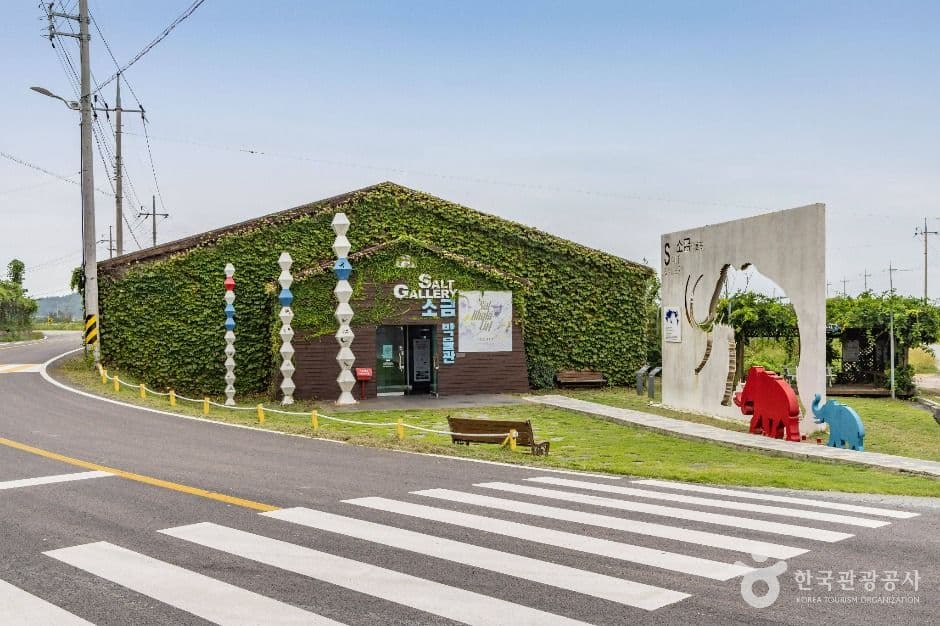
At Jeungdo's vast Taepyeong salterns inside the Sinan getbol, watch sun and wind draw salt from seawater across the crystallising pans — and rake your own in season, with the Salt Museum alongside.

The World Heritage mudflats continued into human hands: white salt hills and gridded pans showing how the getbol feeds a way of life.

Spring · Summer · Autumnhalf dayEasy going
Who it suitsTurns the getbol from an ecology lesson into a working seascape — people and tide in one frame.
LanguageInterpreter needed
BookingBook the salt experience online, ideally 3+ days ahead
Season & hoursSalt experience mid-Mar to mid-Oct; museum year-round; rain suspends the pans; check seasonal session times
The Joseon Way 01: Palace & Ritual

Seoul · Changdeokgung

The Joseon Way 01: Palace & Ritual

At Changdeokgung, read a palace laid out to follow its terrain; at Jongmyo, stand before the long ritual hall where the dynasty's kings and queens are enshrined.

Not 'where the king lived' but how a Confucian state lived, remembered and governed — palace and ancestral rite in one continuous thread.

Spring · Autumnhalf dayModerate
Who it suitsThe keystone chapter: royal life, memory and statecraft as one narrative, not a site list.
LanguageEnglish tours available
BookingPalace and shrine admission; check programme reservations
Season & hoursHours differ by site; Changdeokgung closed Mondays; check Jongmyo's guided-entry system
The Joseon Way 02: Where Kings Rest

Seoul · Seonjeongneung

The Joseon Way 02: Where Kings Rest

Walk an easily reached royal tomb like Seonjeongneung — red spirit gate, ritual hall, grassed mound on its wooded axis — the afterlife architecture of the dynasty.

The royal story does not end at the palace: state rites and forested tombs complete the arc of a Joseon life.

All year1-2hEasy going
Who it suitsLawn, pines and curved mounds give the UNESCO pages a completely different image from palace shots.
LanguageEnglish materials available
BookingIndividual entry; check interpretation programmes
Season & hoursHours vary by tomb; many mounds off-limits up close; check Monday closures
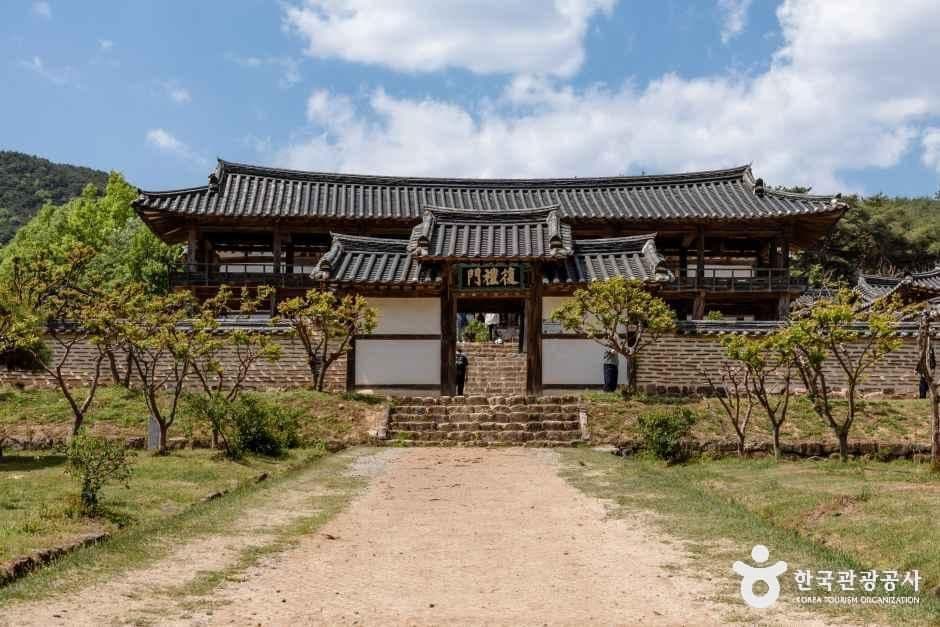
The Joseon Way 03: The Scholars' Korea

Andong · Byeongsanseowon

The Joseon Way 03: The Scholars' Korea

Visit Byeongsan or Dosanseowon — lecture halls, shrine courts and the pavilion floor opening onto river and mountain — where Joseon's scholars tied learning to landscape.

The dynasty's spine was its scholar network: the seowon's architecture makes the Confucian state legible as a way of life.

Spring · Autumnhalf dayModerate
Who it suitsThe Mandaeru pavilion above the Nakdonggang is reason enough on visuals alone.
LanguageInterpreter needed; foreign-language interpretation by prior inquiry
BookingWalk-in
Season & hoursByeongsan Apr–Sep 09:00–18:00, Oct–Mar to 17:00; check event days and restoration work
The Joseon Way 04: Villages Built by Confucian Order

Andong · Hahoe

The Joseon Way 04: Villages Built by Confucian Order

Walk Hahoe or Yangdong — head-family houses, tiled and thatched roofs, lanes, fields and the river bend — a clan village whose social order is written in its ground plan.

Palace and academy were the institutions; the village is where that worldview actually housed people — the living Joseon.

Spring · Autumnall dayModerate
Who it suitsRoofscapes, lanes, river and fields — the theme's richest source of living-culture images.
LanguageInterpreter needed
BookingIndividual entry; cultural interpretation by inquiry
Season & hoursVillage hours vary; these are lived-in homes — privacy and photography etiquette required; festival days crowded

Build a trip around Follow the UNESCO

Send us the dates and the group — we will come back with an itinerary shaped by this theme.

Add this to your client’s itinerary