Sample Journey
All About Korea (11D 10N)
Seoul (3N), Suwon (1N), Wonju (1N), Andong (1N), Gyeongju (1N), Busan (2N), Seoul (1N)
Day by Day
Day 1 — Seoul
Arrive at Incheon International Airport, where our team meets you and transfers you to your hotel in Seoul. The rest of the day is yours to rest and settle in.
Day 2 — Seoul
Begin in Seoul, explore Gyeongbokgung Palace, Bukchon Hanok Village, Insadong, Myeongdong, and the modern pulse of Gangnam. Today: Insadong Cultural Street and Dongdaemun Design Plaza.
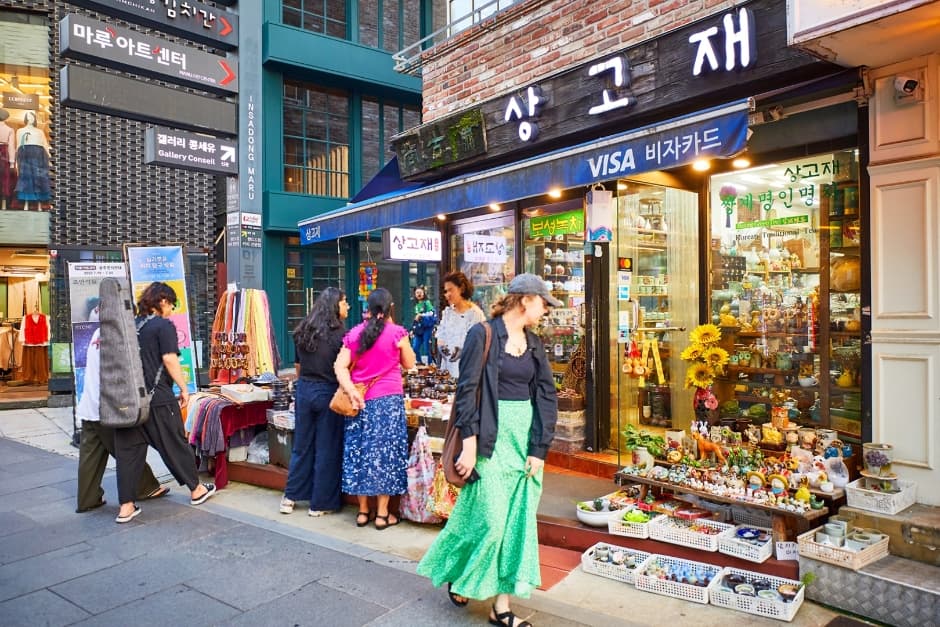
Insadong Cultural Street
Seoul's traditional arts district, where antique dealers, calligraphy brush shops, galleries, and tea houses line a single walkable street. It is the easiest place in the city to browse Korean crafts and pick up a meaningful souvenir.
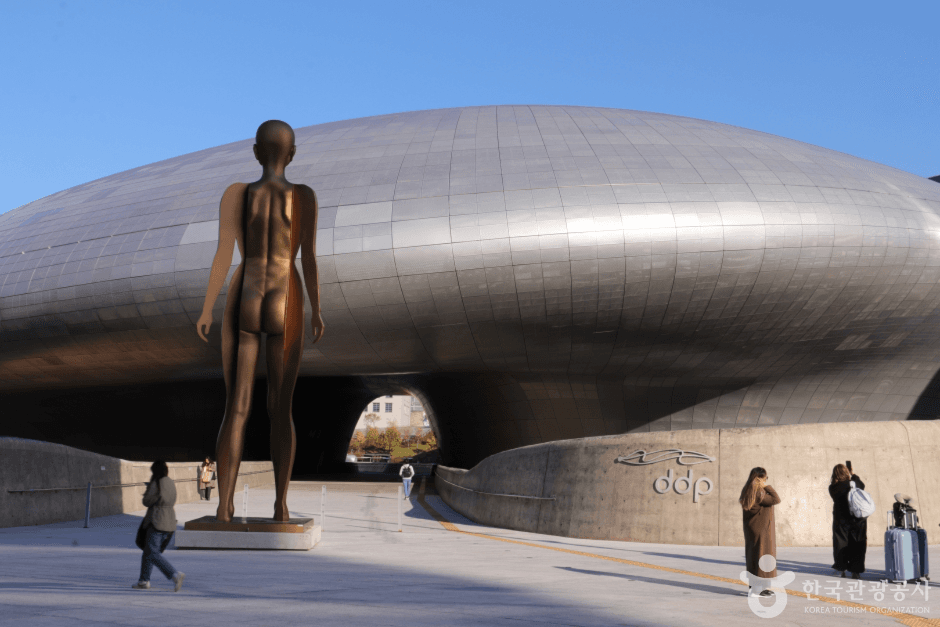
Dongdaemun Design Plaza
Zaha Hadid's silver, curving landmark anchors Seoul's 24-hour fashion district. Design exhibitions, night markets, and the LED rose garden make it the city's signature stop for contemporary architecture lovers.
Day 3 — Seoul
A full day in Seoul, taking in Bukchon Cultural Center.
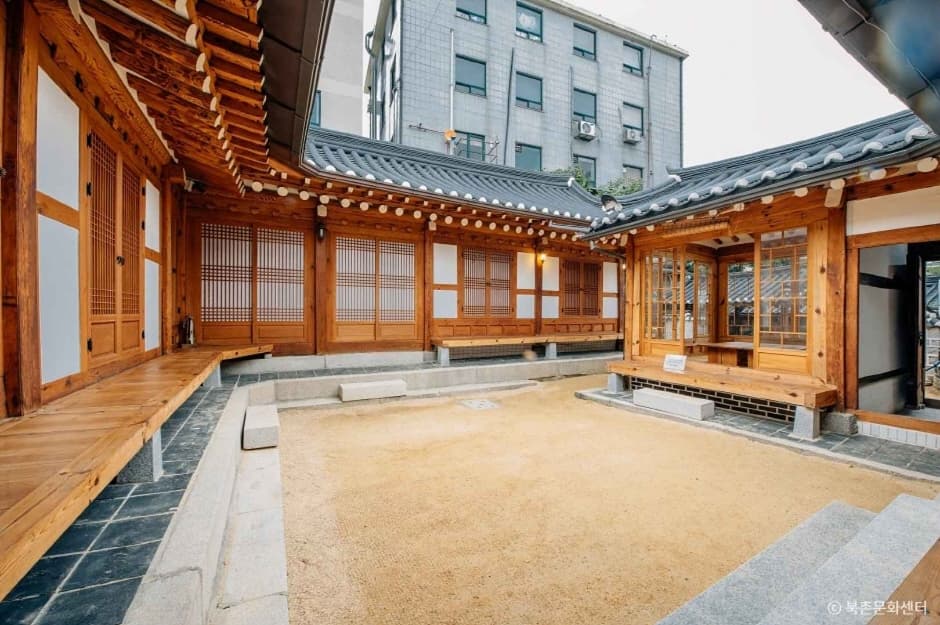
Bukchon Cultural Center
A restored hanok that serves as the gateway to Bukchon, offering exhibitions and hands-on programmes on traditional Korean living. A good first stop to understand the village before exploring its lanes.
Day 4 — Suwon
Continue to Suwon for the UNESCO-listed Hwaseong Fortress, the fortress walls, and the archery range area. Today's stops include Suwon Hwaseong Museum, Suwon Hwaseong Fortress and Hwaseong Haenggung Palace.
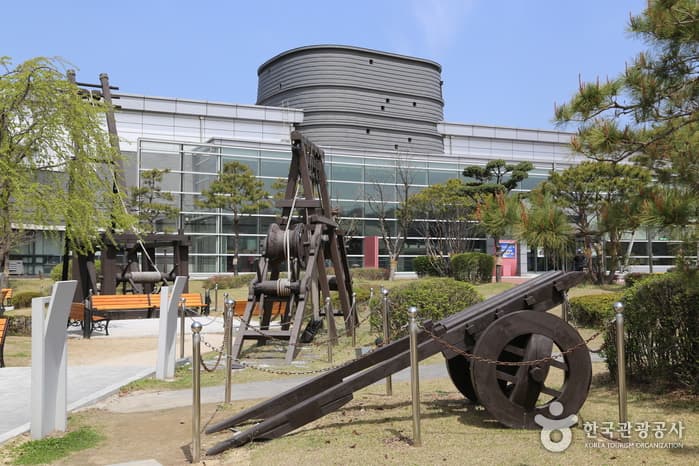
Suwon Hwaseong Museum
This museum traces the making of Hwaseong Fortress and the city that grew around it through clearly organised exhibitions. Its collection spans the fortress's construction and later development, along with the ceremonies and gatherings once held within its walls.
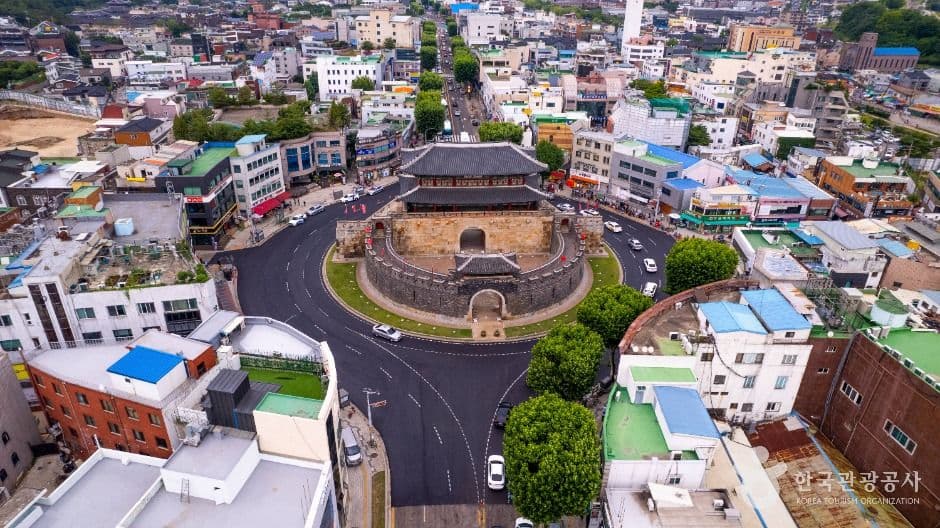
Suwon Hwaseong Fortress
Encircling the city over roughly 5.7 kilometres with Paldalsan Mountain at its heart, this late 18th-century fortress was built by King Jeongjo between 1794 and 1796. Conceived both as an act of devotion to his father and as the foundation for a self-sufficient new city, it earned UNESCO World Heritage status in 1997. Daily performances and an annual autumn cultural festival keep its walls very much alive today.
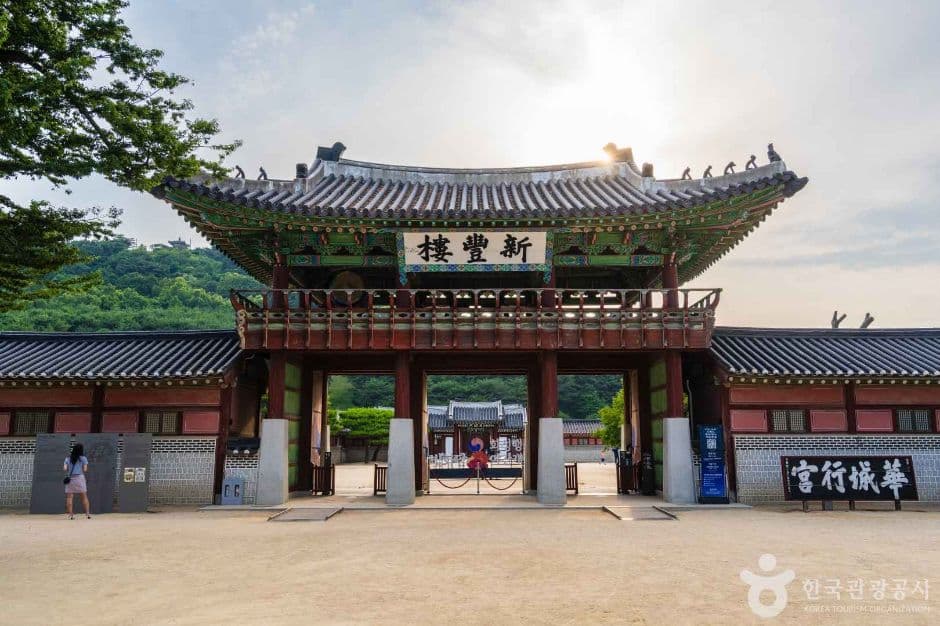
Hwaseong Haenggung Palace
The largest of Joseon's temporary palaces, Hwaseong Haenggung served as a royal retreat and a resting place for King Jeongjo during pilgrimages to his father's tomb. It hosted grand occasions, most famously the lavish banquet for the 60th birthday of his mother, Lady Hyegyeong. Today the restored halls stage traditional performances and cultural programmes.
Day 5 — Wonju
Visit Wonju to experience Museum SAN and the scenic Sogeumsan Suspension Bridge or Ganhyeon riverside walk. Today's stops include Museum SAN, Sogeumsan Mountain Grand Valley and Guryongsa Temple.
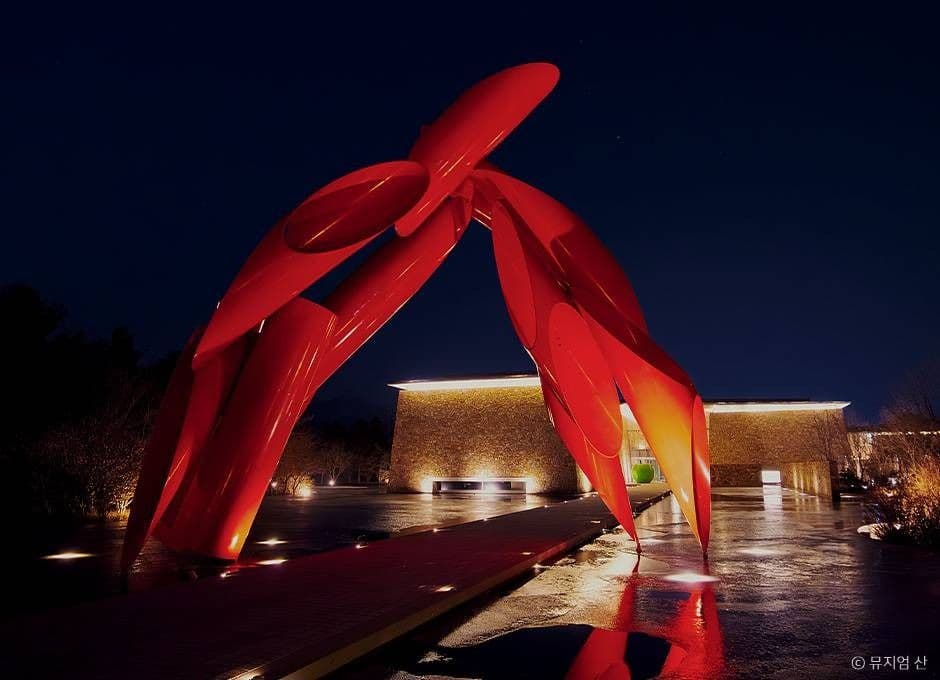
Museum SAN
Tucked into the mountains of Wonju, this Tadao Ando-designed museum unites Space, Art, and Nature across a sequence of gardens, courtyards, and exposed-concrete pavilions. Highlights include the wing-shaped Main Building, a Meditation Hall, and a dedicated James Turrell space exploring light and perception. A cafe terrace with panoramic views makes for an unhurried pause between exhibitions.
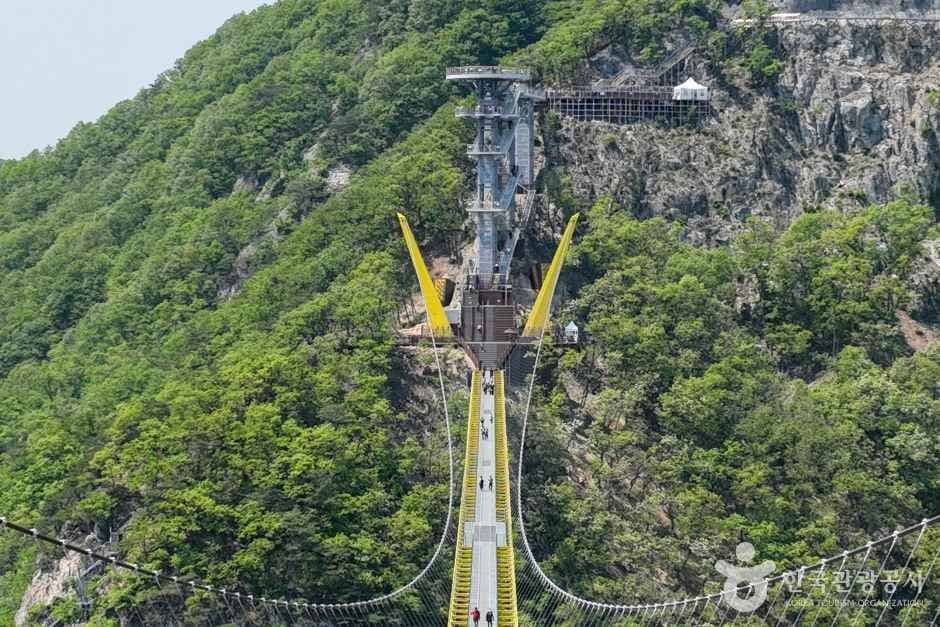
Sogeumsan Mountain Grand Valley
This dramatic river valley pairs sheer cliffs and ancient trees with a network of engineered walkways, including two long suspension bridges and a Cliff Walk suspended 200 meters above the ground. Recent additions of a mountain escalator and cable cars have made the once-strenuous trek far easier to enjoy.
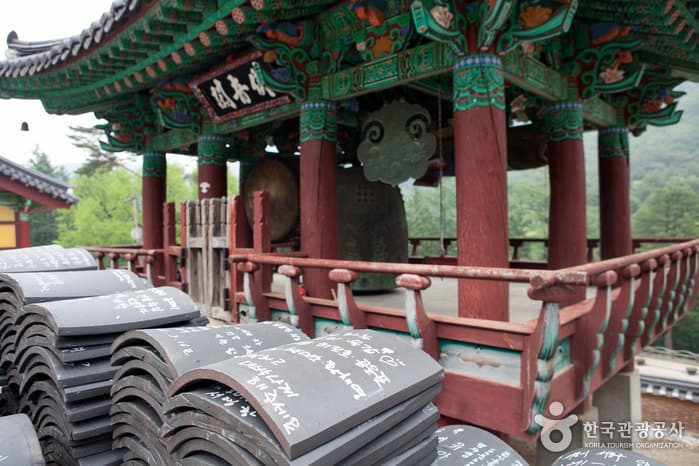
Guryongsa Temple
Set on the wooded slopes of Chiaksan Mountain, Guryongsa is a serene temple whose name traces to a legend of nine dragons that once lived in a lake here. Its grounds hold several historic halls and pavilions, with the Daeungjeon Hall preserving its original form through generations of careful repair.
Day 6 — Andong
Move on to Andong, home to the UNESCO-listed Hahoe Folk Village with mask dance heritage. Today's stops include Andong Hahoe Village, Dosanseowon Confucian Academy and Woryeonggyo Bridge.
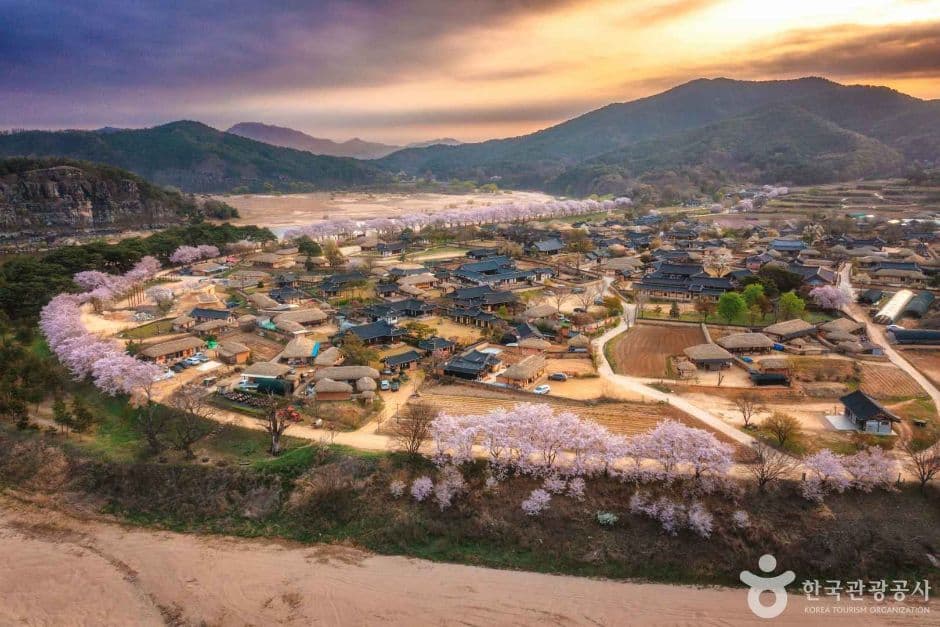
Andong Hahoe Village
Cradled in a bend of the Nakdonggang River, this well-preserved clan village remains home to descendants of the Pungsan Ryu family. Its traditional houses, ancestral halls, and the celebrated Hahoe masks offer a living glimpse of Joseon-era village life. On select evenings, the dramatic Seonyu Julbul fireworks send embers cascading from the cliffs above the water.
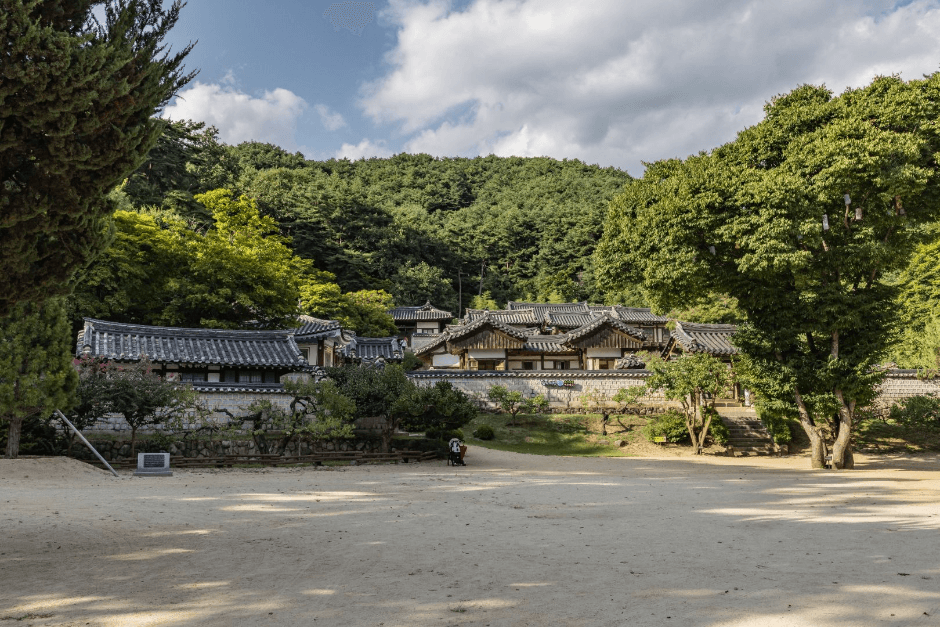
Dosanseowon Confucian Academy
Founded in honor of the great Confucian scholar Toegye Yi Hwang, this academy pairs the lecture halls where he taught with the shrine his followers later built to preserve his teachings. The oldest structure, Dosanseodang, dates to 1561 and was designed by Yi Hwang himself. Set among quiet hills, the complex remains a touchstone of Korean scholarship and learning.
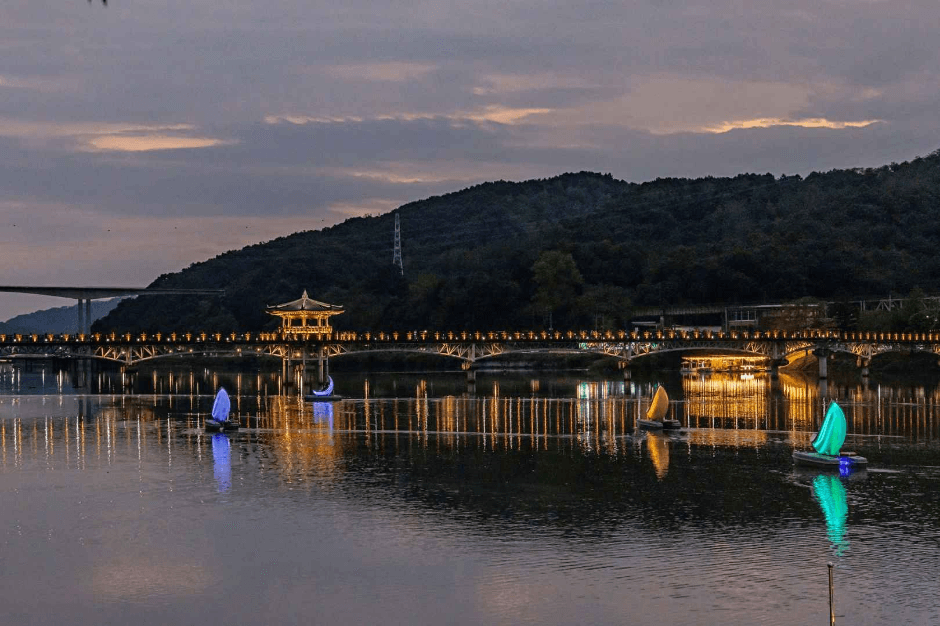
Woryeonggyo Bridge
Korea's longest wooden footbridge stretches across the Nakdonggang River, its lantern-lit form especially lovely when the moon shimmers on the water. The bridge's shape recalls a pair of hemp shoes, a nod to a moving local legend of a widow's devotion to her late husband. Stroll across at dusk or drift beneath it on the lake's moon boat for the finest view.
Day 7 — Gyeongju
In Gyeongju, the ancient Silla capital, walk among Bulguksa Temple, Seokguram vicinity, Daereungwon Ancient Tombs, and Donggung Palace & Wolji Pond. Today's stops include Bulguksa Temple, Gyeongju National Museum, Cheonmachong Tomb (Daereungwon Ancient Tombs) and Cheomseongdae Observatory.
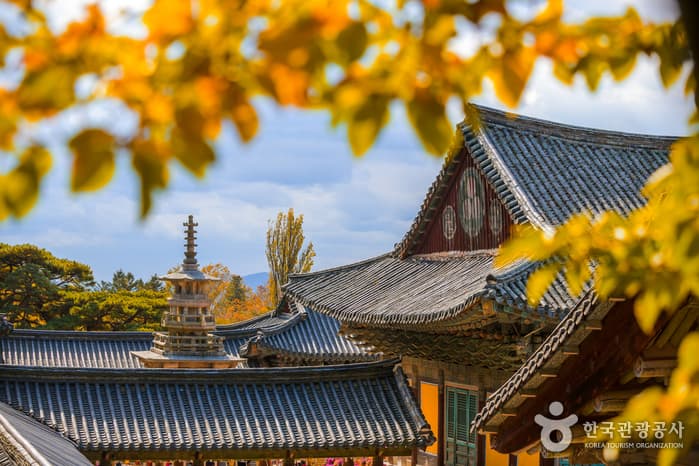
Bulguksa Temple
A UNESCO World Heritage masterpiece of Silla Buddhist architecture, crowned by two national-treasure stone pagodas, Dabotap and Seokgatap. Its terraced courtyards and painted halls represent the golden age of ancient Korean craftsmanship.
Gyeongju National Museum
Set in the heart of Silla's ancient capital, this museum gathers artifacts spanning nearly a millennium of the dynasty's history. The renovated Silla Art Gallery and History Gallery offer an accessible introduction to the kingdom's craftsmanship, while family programmes at the Children's Museum School round out a visit.
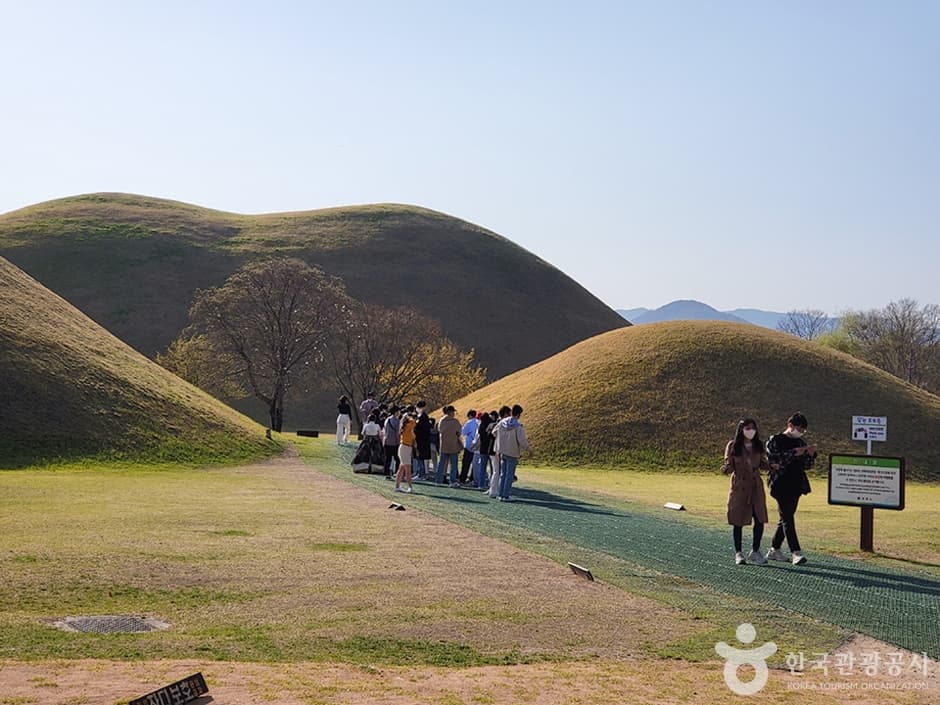
Cheonmachong Tomb (Daereungwon Ancient Tombs)
Set within Gyeongju's Daereungwon, a serene park of 23 Silla-era royal mounds, Cheonmachong is the only tomb open to visitors. Excavated in 1973, it revealed a remarkable gold crown and the Cheonmado, a saddle flap painted with a heavenly horse that gives the tomb its name. Walking trails wind past the grassy burial mounds, offering a quiet glimpse into ancient Korea.
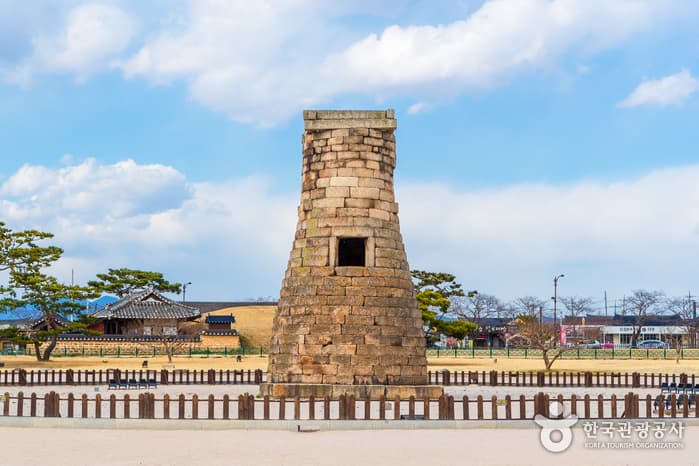
Cheomseongdae Observatory
Dating to the reign of Queen Seondeok in the 7th century, Cheomseongdae is one of the oldest surviving astronomical observatories in the world. Its bottle-shaped tower rises about nine metres from some 360 carefully stacked stones — a number long said to echo the days of the year — in 27 layers that nod to Silla's 27th ruler. A defining landmark of Gyeongju, it is framed by seasonal flowers and open fields that draw visitors year-round.
Day 8 — Busan
Conclude in Busan, famous for Haeundae Beach, Gamcheon Culture Village, Jagalchi Fish Market, and coastal viewpoints. Today's stops include Gamcheon Culture Village, Gwangalli Beach, Busan Air Cruise and BIFF Square.
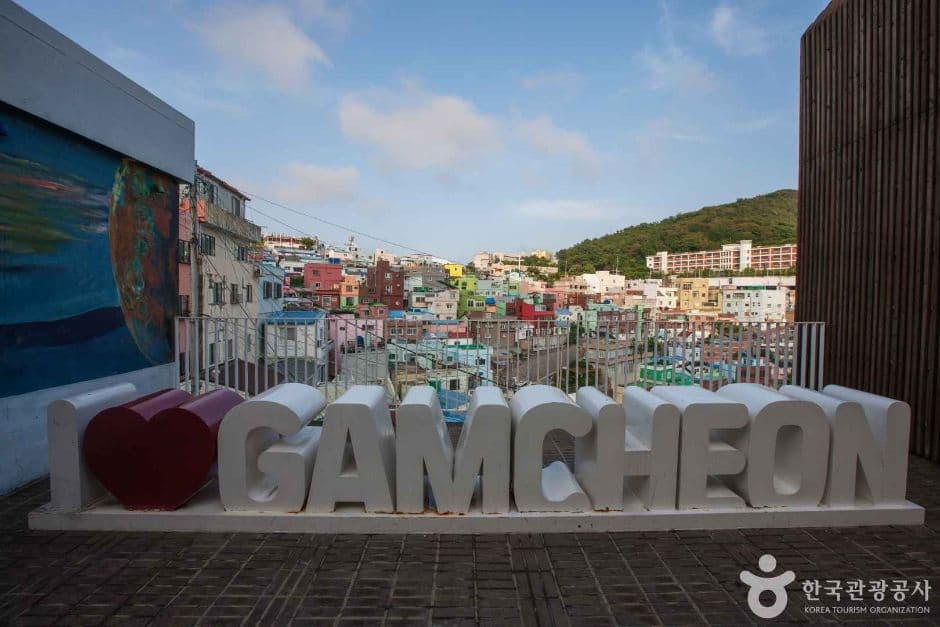
Gamcheon Culture Village
A hillside maze of pastel houses, murals, and art installations overlooking the sea — once a refugee settlement, now Busan's most photographed neighbourhood. Follow the fish-shaped trail markers to hidden viewpoints and craft studios.
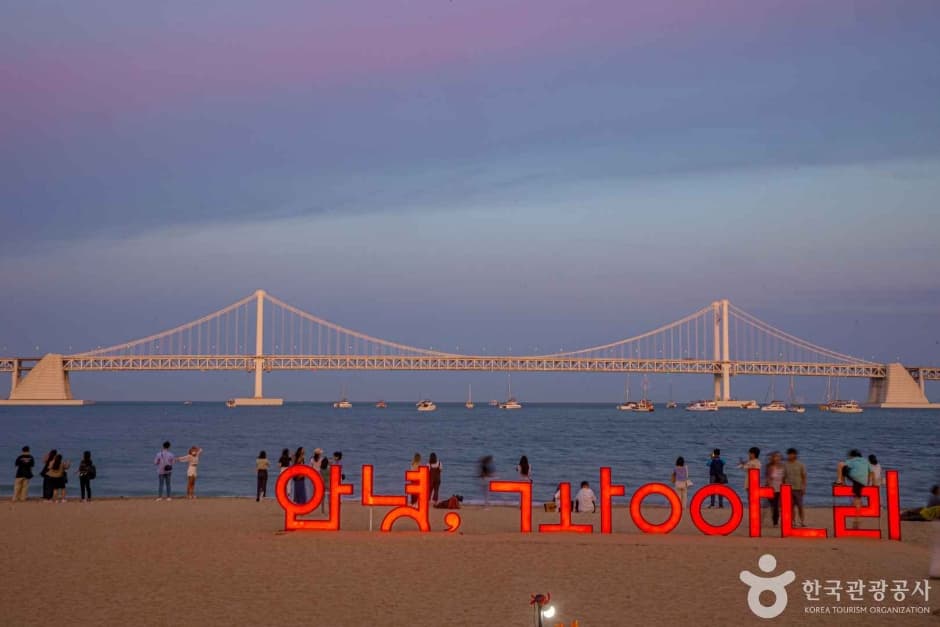
Gwangalli Beach
A 1.4-kilometre crescent of sand facing the lit-up span of Gwangan Bridge — Busan's favourite evening spot. Cafés and seafood restaurants line the shore, and weekend drone shows light up the night sky over the water.
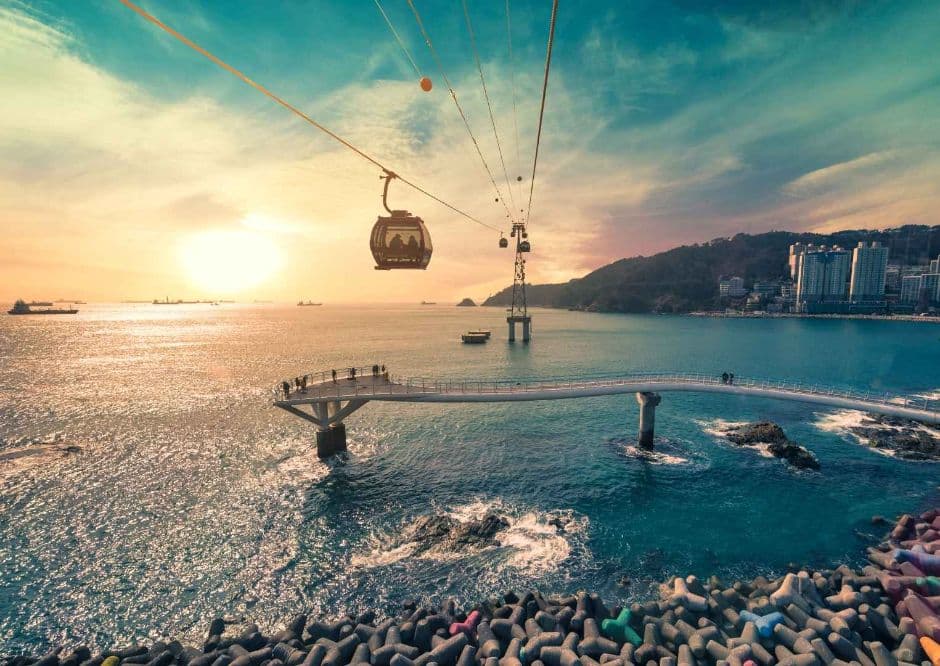
Busan Air Cruise
A 1.62-kilometre cable car gliding 86 meters above the sea at Songdo Beach, with crystal-floor cabins for the brave. The ride links the beach to Amnam Park's coastal cliffs and walking trails.
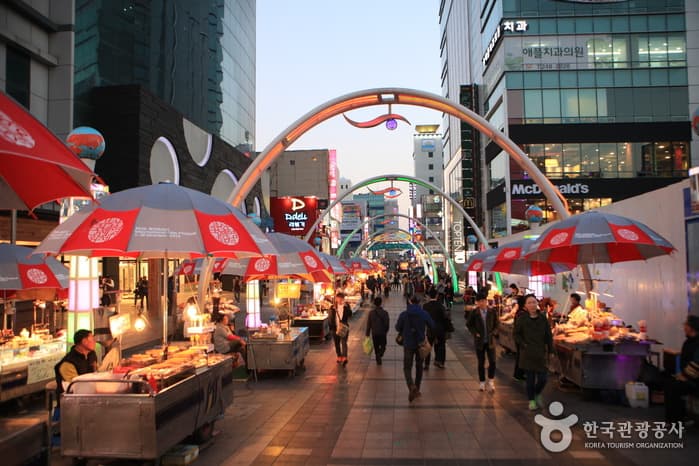
BIFF Square
The lively heart of Busan's film district, birthplace of the Busan International Film Festival. Handprints of film stars dot the pavement between street-food stalls famous for ssiat hotteok — seed-stuffed sweet pancakes.
Day 9 — Busan
A full day in Busan, taking in Haeundae Market, UN Memorial Cemetery, Jagalchi Market and Haedong Yonggungsa Temple.
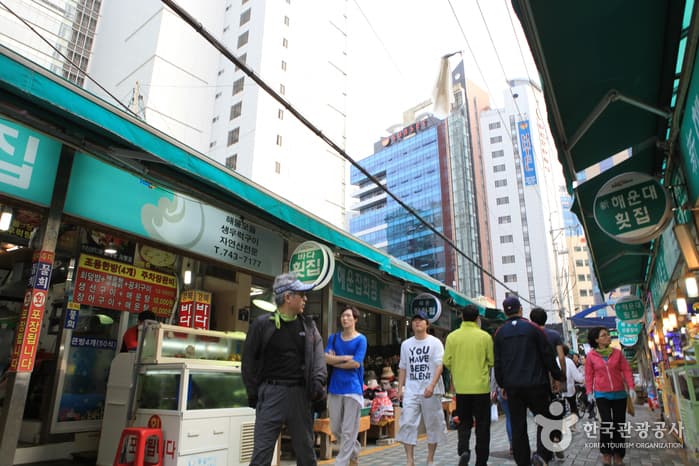
Haeundae Market
A compact traditional market one block from Haeundae Beach, beloved for grilled eel, fish cakes, and winter street snacks. The perfect detour between beach walks for a taste of everyday Busan.
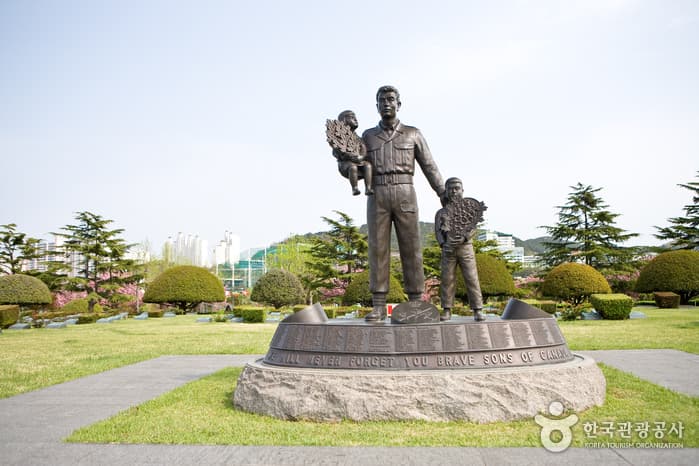
UN Memorial Cemetery
The only United Nations cemetery in the world, honouring the UN forces of 22 nations, with soldiers from 11 countries laid to rest here after the Korean War. Its quiet lawns and memorial halls offer a moving counterpoint to Busan's beach energy.
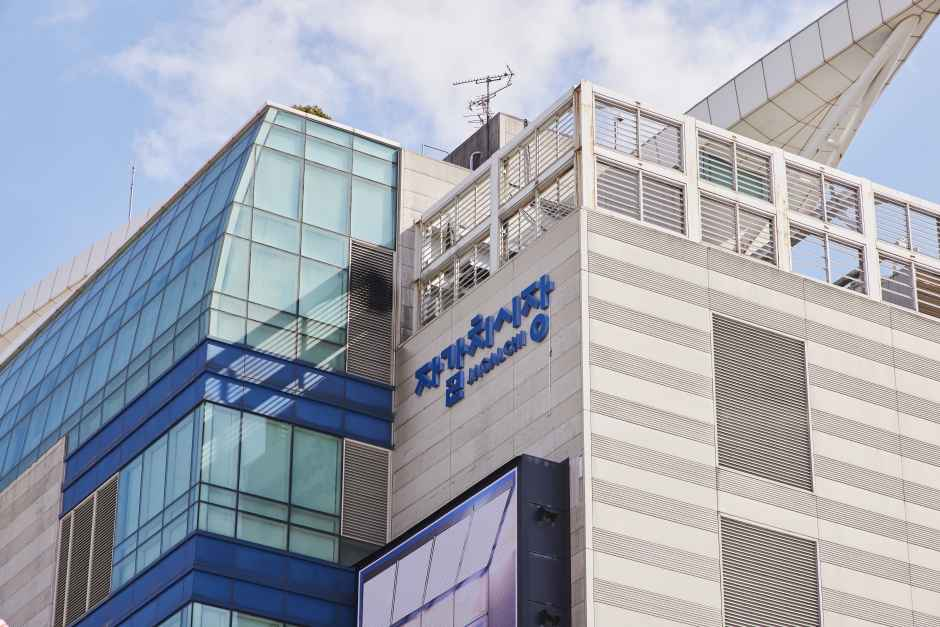
Jagalchi Market
Korea's largest seafood market, run for generations by the famously spirited "Jagalchi ajumma" fishmongers. Pick your catch downstairs and have it served minutes later in the upstairs restaurants overlooking the harbour.
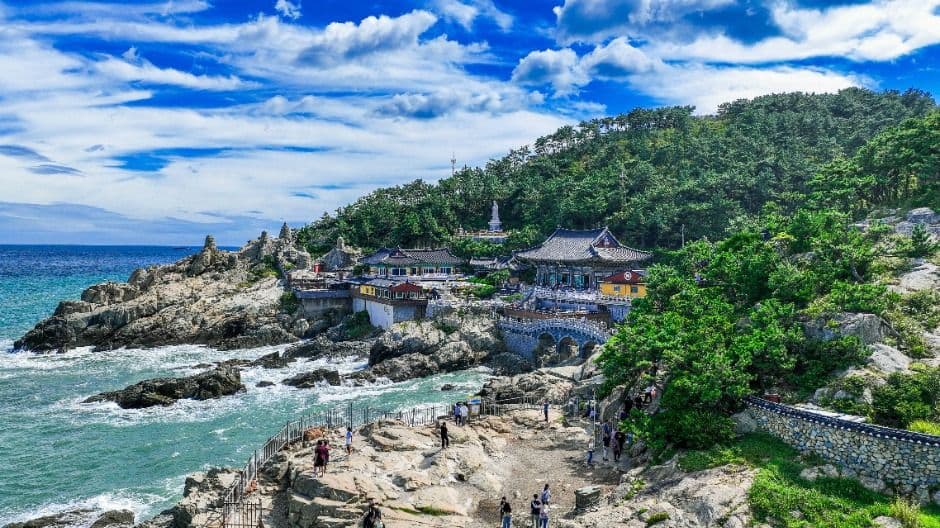
Haedong Yonggungsa Temple
One of Korea's rare seaside temples, set directly on the rocks of the northeast coast. Arrive early to hear chanting over the waves — the sunrise views from the stone bridge are among Busan's most memorable scenes.
Day 10 — Seoul
Travel on to Seoul.
Day 11 — Seoul
Free time in Seoul until your transfer to Incheon International Airport for the flight home.
Along the Way
Signature places in the cities on this route — swipe through each stop.
Seoul
Insadong Cultural Street
Seoul's traditional arts district, where antique dealers, calligraphy brush shops, galleries, and tea houses line a single walkable street. It is the easiest place in the city to browse Korean crafts and pick up a meaningful souvenir.
Dongdaemun Design Plaza
Zaha Hadid's silver, curving landmark anchors Seoul's 24-hour fashion district. Design exhibitions, night markets, and the LED rose garden make it the city's signature stop for contemporary architecture lovers.
Bukchon Cultural Center
A restored hanok that serves as the gateway to Bukchon, offering exhibitions and hands-on programmes on traditional Korean living. A good first stop to understand the village before exploring its lanes.
Suwon
Suwon Hwaseong Museum
This museum traces the making of Hwaseong Fortress and the city that grew around it through clearly organised exhibitions. Its collection spans the fortress's construction and later development, along with the ceremonies and gatherings once held within its walls.
Suwon Hwaseong Fortress
Encircling the city over roughly 5.7 kilometres with Paldalsan Mountain at its heart, this late 18th-century fortress was built by King Jeongjo between 1794 and 1796. Conceived both as an act of devotion to his father and as the foundation for a self-sufficient new city, it earned UNESCO World Heritage status in 1997. Daily performances and an annual autumn cultural festival keep its walls very much alive today.
Hwaseong Haenggung Palace
The largest of Joseon's temporary palaces, Hwaseong Haenggung served as a royal retreat and a resting place for King Jeongjo during pilgrimages to his father's tomb. It hosted grand occasions, most famously the lavish banquet for the 60th birthday of his mother, Lady Hyegyeong. Today the restored halls stage traditional performances and cultural programmes.
Wonju
Sogeumsan Mountain Grand Valley
This dramatic river valley pairs sheer cliffs and ancient trees with a network of engineered walkways, including two long suspension bridges and a Cliff Walk suspended 200 meters above the ground. Recent additions of a mountain escalator and cable cars have made the once-strenuous trek far easier to enjoy.
Museum SAN
Tucked into the mountains of Wonju, this Tadao Ando-designed museum unites Space, Art, and Nature across a sequence of gardens, courtyards, and exposed-concrete pavilions. Highlights include the wing-shaped Main Building, a Meditation Hall, and a dedicated James Turrell space exploring light and perception. A cafe terrace with panoramic views makes for an unhurried pause between exhibitions.
Guryongsa Temple
Set on the wooded slopes of Chiaksan Mountain, Guryongsa is a serene temple whose name traces to a legend of nine dragons that once lived in a lake here. Its grounds hold several historic halls and pavilions, with the Daeungjeon Hall preserving its original form through generations of careful repair.
Andong
Andong Hahoe Village
Cradled in a bend of the Nakdonggang River, this well-preserved clan village remains home to descendants of the Pungsan Ryu family. Its traditional houses, ancestral halls, and the celebrated Hahoe masks offer a living glimpse of Joseon-era village life. On select evenings, the dramatic Seonyu Julbul fireworks send embers cascading from the cliffs above the water.
Dosanseowon Confucian Academy
Founded in honor of the great Confucian scholar Toegye Yi Hwang, this academy pairs the lecture halls where he taught with the shrine his followers later built to preserve his teachings. The oldest structure, Dosanseodang, dates to 1561 and was designed by Yi Hwang himself. Set among quiet hills, the complex remains a touchstone of Korean scholarship and learning.
Woryeonggyo Bridge
Korea's longest wooden footbridge stretches across the Nakdonggang River, its lantern-lit form especially lovely when the moon shimmers on the water. The bridge's shape recalls a pair of hemp shoes, a nod to a moving local legend of a widow's devotion to her late husband. Stroll across at dusk or drift beneath it on the lake's moon boat for the finest view.
Gyeongju
Bulguksa Temple
A UNESCO World Heritage masterpiece of Silla Buddhist architecture, crowned by two national-treasure stone pagodas, Dabotap and Seokgatap. Its terraced courtyards and painted halls represent the golden age of ancient Korean craftsmanship.
Cheonmachong Tomb (Daereungwon Ancient Tombs)
Set within Gyeongju's Daereungwon, a serene park of 23 Silla-era royal mounds, Cheonmachong is the only tomb open to visitors. Excavated in 1973, it revealed a remarkable gold crown and the Cheonmado, a saddle flap painted with a heavenly horse that gives the tomb its name. Walking trails wind past the grassy burial mounds, offering a quiet glimpse into ancient Korea.
Cheomseongdae Observatory
Dating to the reign of Queen Seondeok in the 7th century, Cheomseongdae is one of the oldest surviving astronomical observatories in the world. Its bottle-shaped tower rises about nine metres from some 360 carefully stacked stones — a number long said to echo the days of the year — in 27 layers that nod to Silla's 27th ruler. A defining landmark of Gyeongju, it is framed by seasonal flowers and open fields that draw visitors year-round.
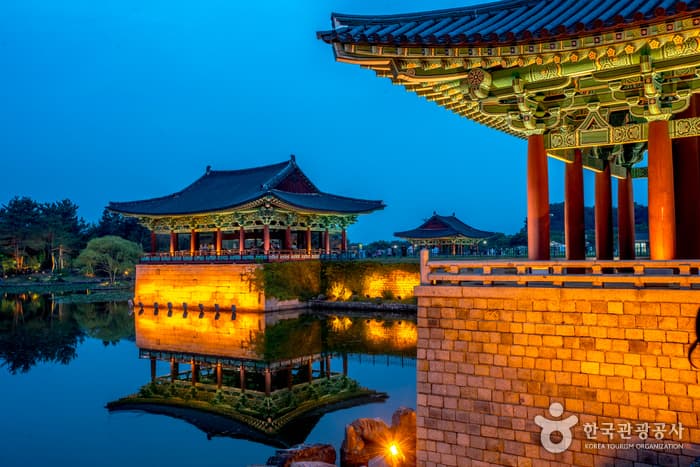
Donggung Palace and Wolji Pond
The banquet palace of the Silla kingdom, rebuilt beside a crescent pond that mirrors its pavilions. Visit after dark — the illuminated reflection on still water is Gyeongju's defining night view.
Busan
Gwangalli Beach
A 1.4-kilometre crescent of sand facing the lit-up span of Gwangan Bridge — Busan's favourite evening spot. Cafés and seafood restaurants line the shore, and weekend drone shows light up the night sky over the water.
Busan Air Cruise
A 1.62-kilometre cable car gliding 86 meters above the sea at Songdo Beach, with crystal-floor cabins for the brave. The ride links the beach to Amnam Park's coastal cliffs and walking trails.
BIFF Square
The lively heart of Busan's film district, birthplace of the Busan International Film Festival. Handprints of film stars dot the pavement between street-food stalls famous for ssiat hotteok — seed-stuffed sweet pancakes.
Haeundae Market
A compact traditional market one block from Haeundae Beach, beloved for grilled eel, fish cakes, and winter street snacks. The perfect detour between beach walks for a taste of everyday Busan.
UN Memorial Cemetery
The only United Nations cemetery in the world, honouring the UN forces of 22 nations, with soldiers from 11 countries laid to rest here after the Korean War. Its quiet lawns and memorial halls offer a moving counterpoint to Busan's beach energy.
Gamcheon Culture Village
A hillside maze of pastel houses, murals, and art installations overlooking the sea — once a refugee settlement, now Busan's most photographed neighbourhood. Follow the fish-shaped trail markers to hidden viewpoints and craft studios.
Jagalchi Market
Korea's largest seafood market, run for generations by the famously spirited "Jagalchi ajumma" fishmongers. Pick your catch downstairs and have it served minutes later in the upstairs restaurants overlooking the harbour.
Haedong Yonggungsa Temple
One of Korea's rare seaside temples, set directly on the rocks of the northeast coast. Arrive early to hear chanting over the waves — the sunrise views from the stone bridge are among Busan's most memorable scenes.