Sample Journey
Family Fun Korea (6D 5N)
Seoul (3N), Yongin (1N), Gangneung (1N)
Day by Day
Day 1 — Seoul
Arrive at Incheon International Airport, where our team meets you and transfers you to your hotel in Seoul. The rest of the day is yours to rest and settle in.
Day 2 — Seoul
Start in Seoul with N Seoul Tower, Lotte World or COEX Aquarium for the kids. Today: N Seoul Tower, Lotte World, COEX Aquarium and Gyeongbokgung Palace.
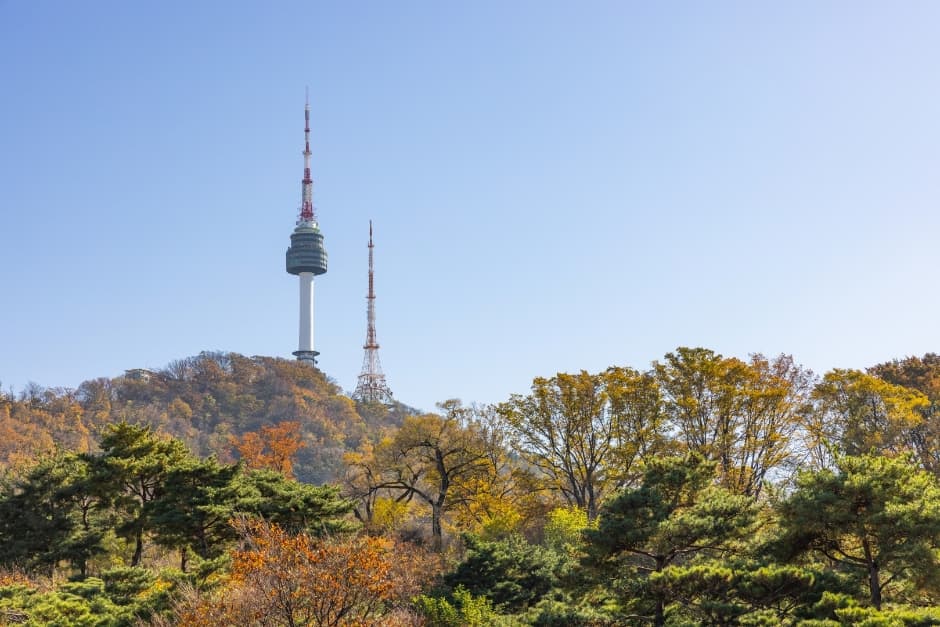
N Seoul Tower
The observation tower on Namsan that anchors the Seoul skyline, reached by cable car or a wooded walk. The deck gives a 360-degree view of the city; the padlock terraces and the evening light show are the crowd-pleasers.
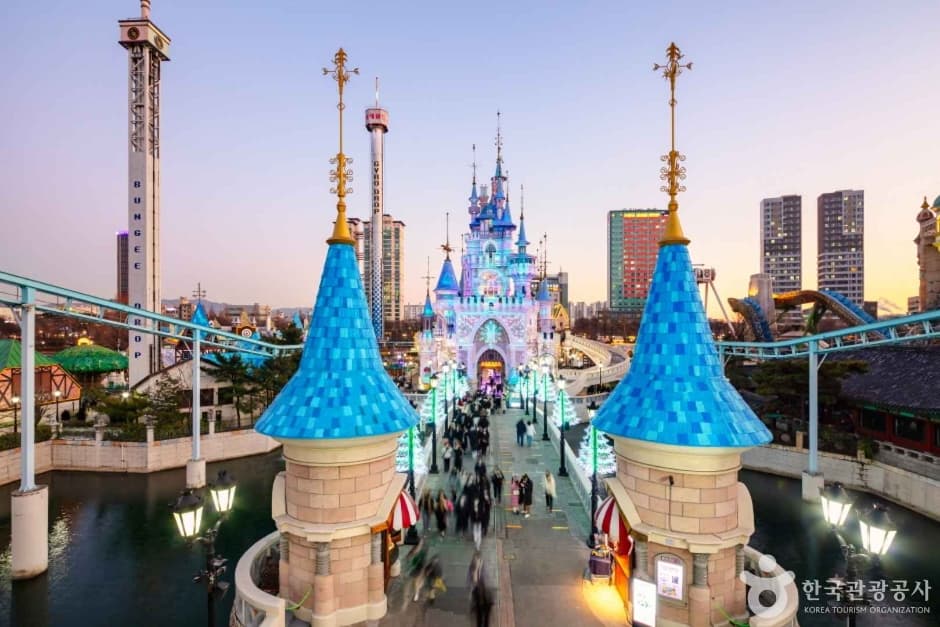
Lotte World
Korea's best-known theme park, with an indoor adventure hall under a glass dome and the outdoor Magic Island on Seokchon Lake. Rides, parades and an ice rink make it a reliable full day for families in any weather.
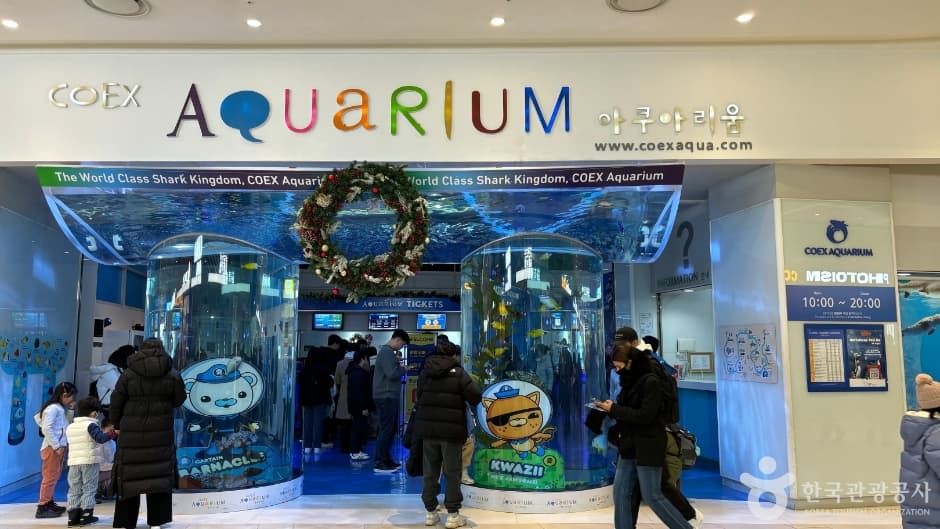
COEX Aquarium
A large city-centre aquarium beneath the COEX complex in Gangnam, with sixteen themed zones and a walk-through shark tunnel. An easy half-day for families, and a rainy-day fallback that sits beside the Starfield Library and the shopping mall.
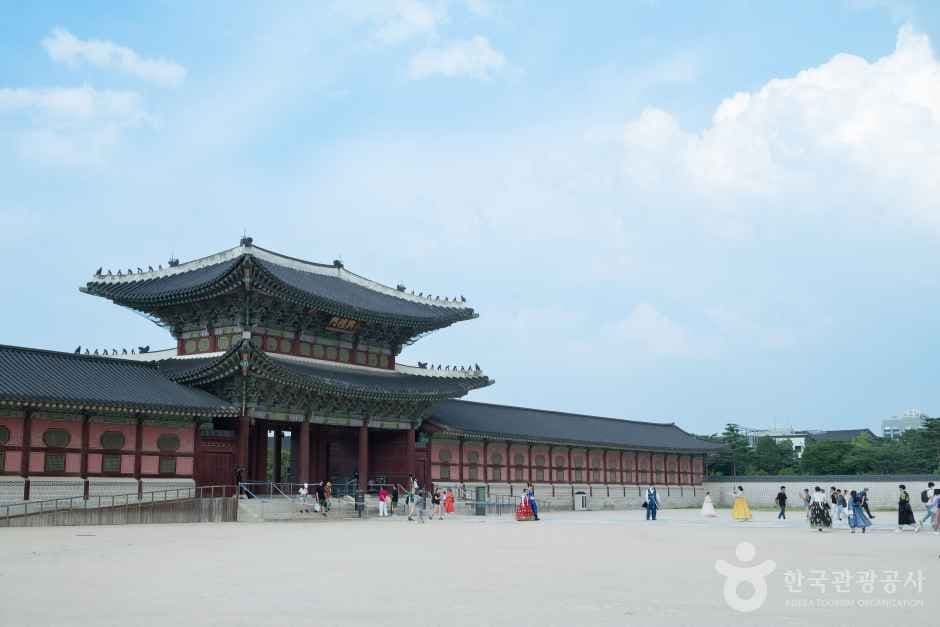
Gyeongbokgung Palace
The grandest of Seoul's five royal palaces, built in 1395 as the seat of the Joseon dynasty. Watch the royal guard changing ceremony at Gwanghwamun Gate, then wander past throne halls and lotus-pond pavilions with Bugaksan Mountain rising behind the rooflines.
Day 3 — Seoul
A full day in Seoul, taking in Gwangjang Market, Bukchon Hanok Village, Insadong Cultural Street and Dongdaemun Design Plaza.
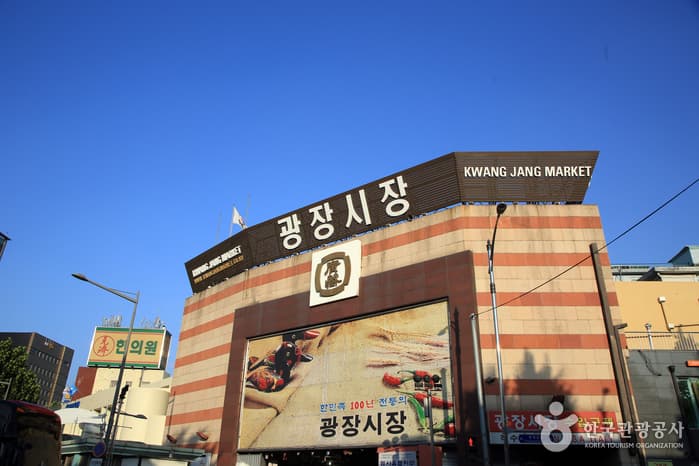
Gwangjang Market
Korea's first permanent market, trading for over a century and now famous for its street food alley — mung-bean pancakes sizzling on griddles, mayak gimbap, and raw beef tartare eaten shoulder-to-shoulder with locals.
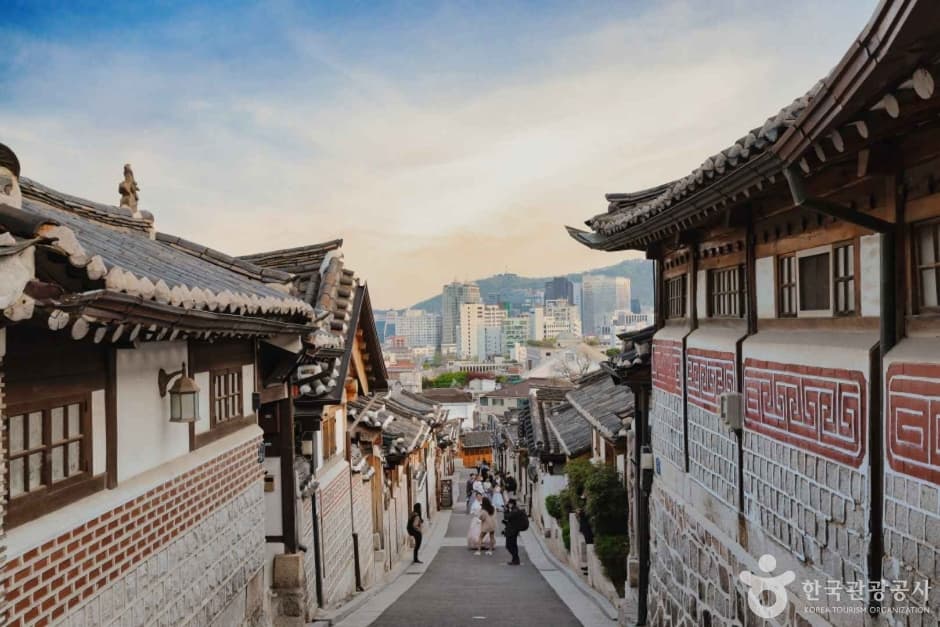
Bukchon Hanok Village
A hillside neighbourhood of hundreds of traditional hanok houses tucked between Gyeongbokgung and Changdeokgung palaces. Its narrow lanes are still lived in today, which gives every alley view of tiled roofs and the city skyline an authentic, everyday charm.
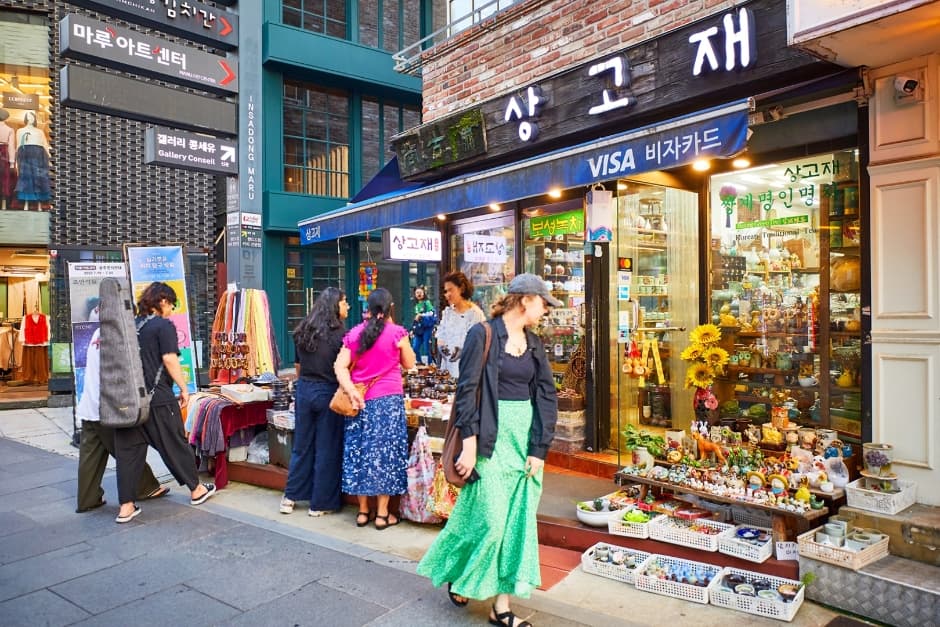
Insadong Cultural Street
Seoul's traditional arts district, where antique dealers, calligraphy brush shops, galleries, and tea houses line a single walkable street. It is the easiest place in the city to browse Korean crafts and pick up a meaningful souvenir.
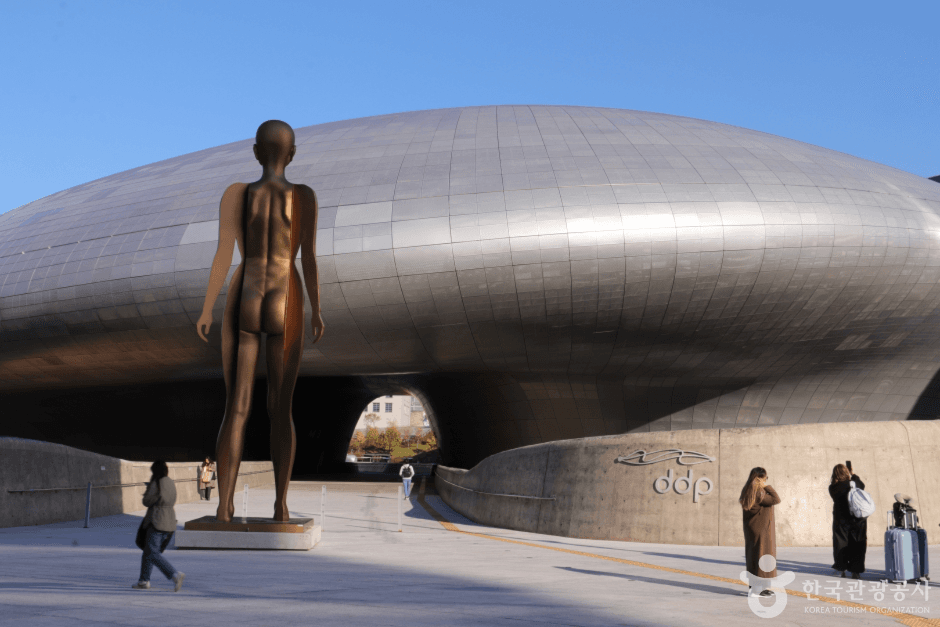
Dongdaemun Design Plaza
Zaha Hadid's silver, curving landmark anchors Seoul's 24-hour fashion district. Design exhibitions, night markets, and the LED rose garden make it the city's signature stop for contemporary architecture lovers.
Day 4 — Yongin
Head to Yongin to enjoy Everland Theme Park and the Korean Folk Village where children can experience old-style life. Today's stops include Everland and Korean Folk Village.
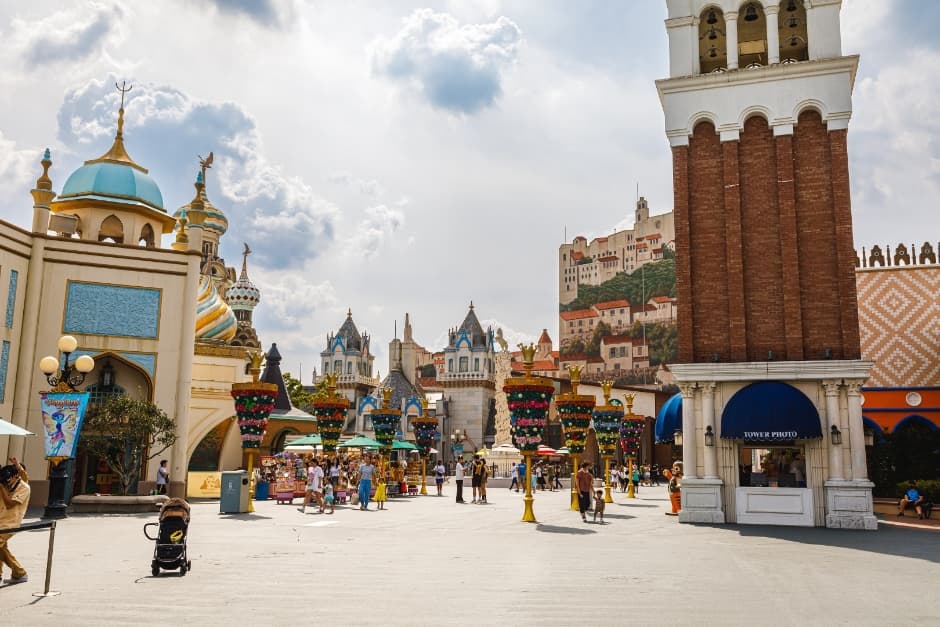
Everland
Korea's largest theme park unfolds across five distinct zones, from European Adventure to Zootopia, each shifting with seasonal festivals of tulips, roses, and autumn illuminations. Highlights include T-Express, the country's first wooden roller coaster, and Lost Valley, where amphibious vehicles glide past free-roaming wildlife. Fans may recognize Rocksville, the 1950s-themed street where BTS filmed their 'Dynamite' performance.
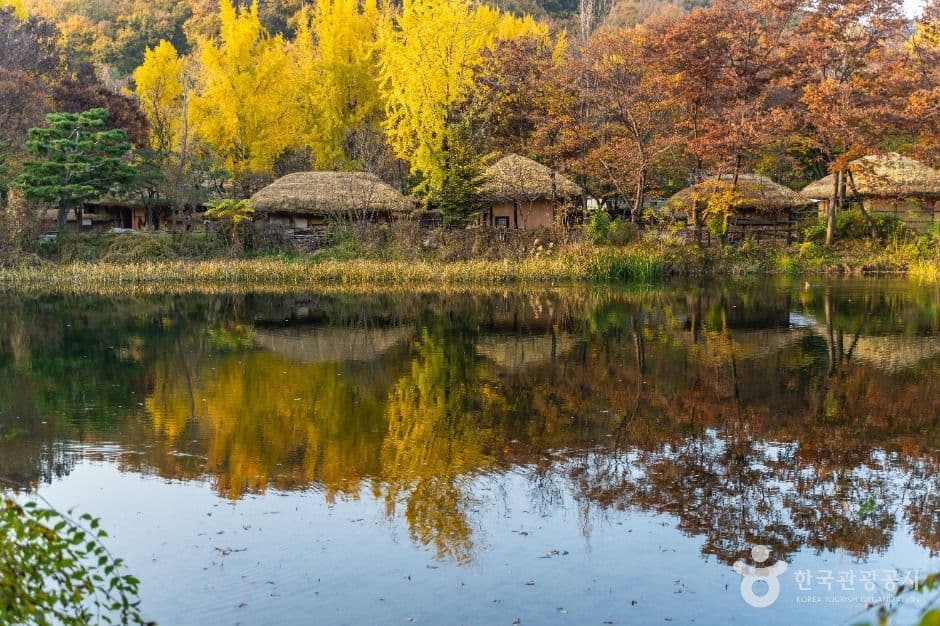
Korean Folk Village
This open-air village recreates life in late Joseon Korea through restored traditional houses, seasonal customs, and hands-on cultural classes. Visitors can watch folk music, equestrian martial arts, and traditional wedding ceremonies, or step into the immersive 'Welcome to Joseon' event. A market street and family-friendly attractions round out the experience.
Day 5 — Gangneung
Travel on to Gangneung, visiting Gangneung Coffee Street and Gangneung Gyeongpo Beach.
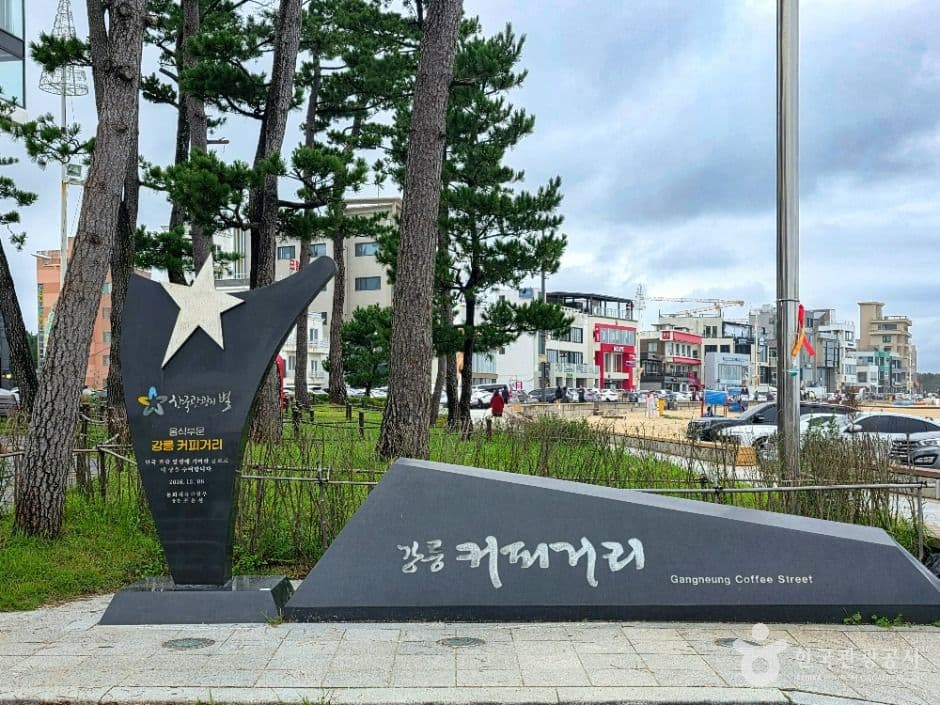
Gangneung Coffee Street
Gangneung's reputation as Korea's coffee capital traces back to the cafes of Anmok in the 1980s. It became the first local district to host a coffee festival and to champion its baristas, and today nearly every shop here roasts its own beans, supported by coffee museums, factories, and barista academies throughout the city.
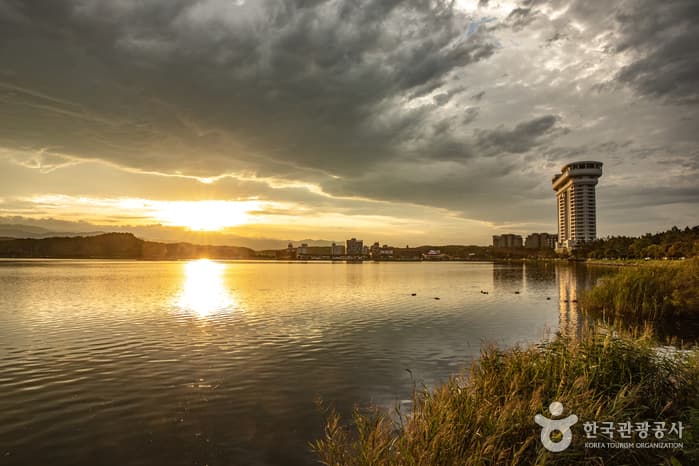
Gangneung Gyeongpo Beach
Stretching 1.8 kilometres along a sandbar between Gyeongpo Lake and the sea, this beach is prized for its soft sand and gentle, shallow waters. A fragrant pine forest lines the shore, ideal for a slow walk, while summer brings cultural performances to the beachside stage and lakeside cycling paths for exploring the surrounding scenery.
Day 6 — Gangneung
Free time in Gangneung until your transfer to Incheon International Airport for the flight home.
Along the Way
Signature places in the cities on this route — swipe through each stop.
Seoul
N Seoul Tower
The observation tower on Namsan that anchors the Seoul skyline, reached by cable car or a wooded walk. The deck gives a 360-degree view of the city; the padlock terraces and the evening light show are the crowd-pleasers.
Lotte World
Korea's best-known theme park, with an indoor adventure hall under a glass dome and the outdoor Magic Island on Seokchon Lake. Rides, parades and an ice rink make it a reliable full day for families in any weather.
COEX Aquarium
A large city-centre aquarium beneath the COEX complex in Gangnam, with sixteen themed zones and a walk-through shark tunnel. An easy half-day for families, and a rainy-day fallback that sits beside the Starfield Library and the shopping mall.
Gyeongbokgung Palace
The grandest of Seoul's five royal palaces, built in 1395 as the seat of the Joseon dynasty. Watch the royal guard changing ceremony at Gwanghwamun Gate, then wander past throne halls and lotus-pond pavilions with Bugaksan Mountain rising behind the rooflines.
Gwangjang Market
Korea's first permanent market, trading for over a century and now famous for its street food alley — mung-bean pancakes sizzling on griddles, mayak gimbap, and raw beef tartare eaten shoulder-to-shoulder with locals.
Bukchon Hanok Village
A hillside neighbourhood of hundreds of traditional hanok houses tucked between Gyeongbokgung and Changdeokgung palaces. Its narrow lanes are still lived in today, which gives every alley view of tiled roofs and the city skyline an authentic, everyday charm.
Insadong Cultural Street
Seoul's traditional arts district, where antique dealers, calligraphy brush shops, galleries, and tea houses line a single walkable street. It is the easiest place in the city to browse Korean crafts and pick up a meaningful souvenir.
Dongdaemun Design Plaza
Zaha Hadid's silver, curving landmark anchors Seoul's 24-hour fashion district. Design exhibitions, night markets, and the LED rose garden make it the city's signature stop for contemporary architecture lovers.
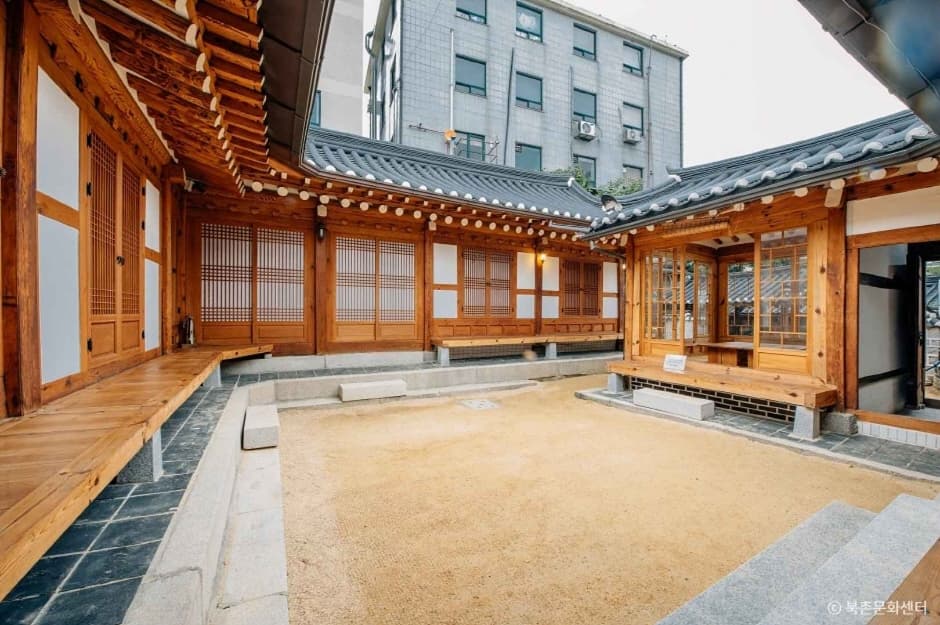
Bukchon Cultural Center
A restored hanok that serves as the gateway to Bukchon, offering exhibitions and hands-on programmes on traditional Korean living. A good first stop to understand the village before exploring its lanes.
Yongin
Everland
Korea's largest theme park unfolds across five distinct zones, from European Adventure to Zootopia, each shifting with seasonal festivals of tulips, roses, and autumn illuminations. Highlights include T-Express, the country's first wooden roller coaster, and Lost Valley, where amphibious vehicles glide past free-roaming wildlife. Fans may recognize Rocksville, the 1950s-themed street where BTS filmed their 'Dynamite' performance.
Korean Folk Village
This open-air village recreates life in late Joseon Korea through restored traditional houses, seasonal customs, and hands-on cultural classes. Visitors can watch folk music, equestrian martial arts, and traditional wedding ceremonies, or step into the immersive 'Welcome to Joseon' event. A market street and family-friendly attractions round out the experience.
Gangneung
Gangneung Coffee Street
Gangneung's reputation as Korea's coffee capital traces back to the cafes of Anmok in the 1980s. It became the first local district to host a coffee festival and to champion its baristas, and today nearly every shop here roasts its own beans, supported by coffee museums, factories, and barista academies throughout the city.
Gangneung Gyeongpo Beach
Stretching 1.8 kilometres along a sandbar between Gyeongpo Lake and the sea, this beach is prized for its soft sand and gentle, shallow waters. A fragrant pine forest lines the shore, ideal for a slow walk, while summer brings cultural performances to the beachside stage and lakeside cycling paths for exploring the surrounding scenery.
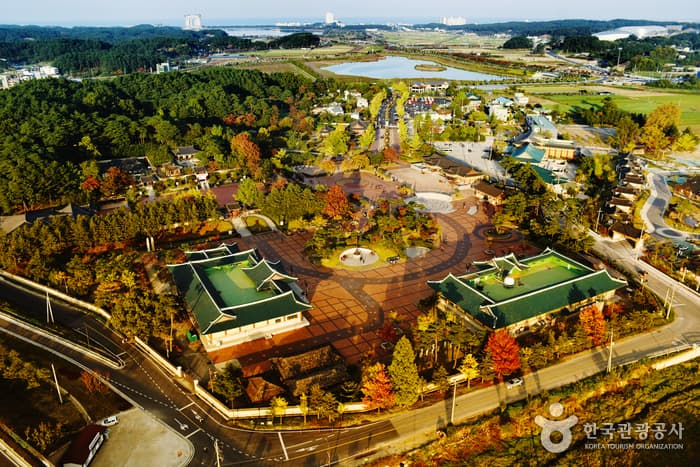
Ojukheon House
The birthplace of the revered Joseon scholar Yi I, better known by his penname Yulgok, Ojukheon dates to the early Joseon dynasty and was designated Treasure No. 165 in 1963. Within the complex you can visit Mongryongsil, the room where Yi I was born, alongside the family shrine, the men's quarters, and the Yulgok Memorial Hall, which hosts an annual commemorative ceremony each October.