Sample Journey
Jeju & Southern Heritage Trail (11D 10N)
Seoul (2N), Jeju (3N), Yeosu (1N), Gwangju (1N), Jeonju (1N), Daejeon (1N), Seoul (1N)
Day by Day
Day 1 — Seoul
Arrive at Incheon International Airport, where our team meets you and transfers you to your hotel in Seoul. The rest of the day is yours to rest and settle in.
Day 2 — Seoul
Return to Seoul for your final evening in the capital. Today: Changdeokgung Palace, Deoksugung Stone Wall Path, Naksan Park and N Seoul Tower.
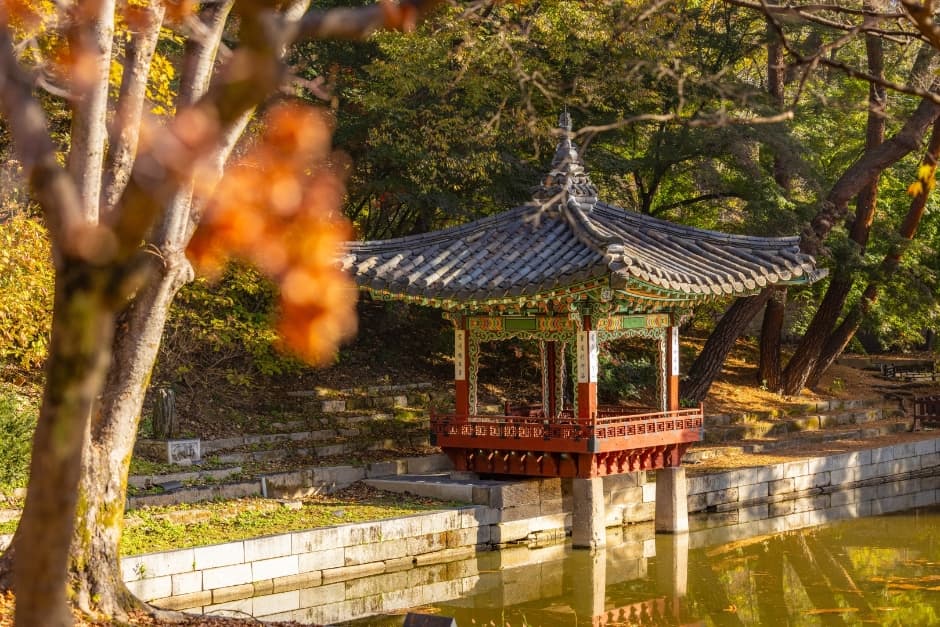
Changdeokgung Palace
Joseon's most intact palace, built in 1405 and laid out to follow the slope of the hill rather than a grid. Behind the throne halls lies the Secret Garden, where pavilions and lotus ponds sit among old trees — a UNESCO site best seen on the guided garden walk.
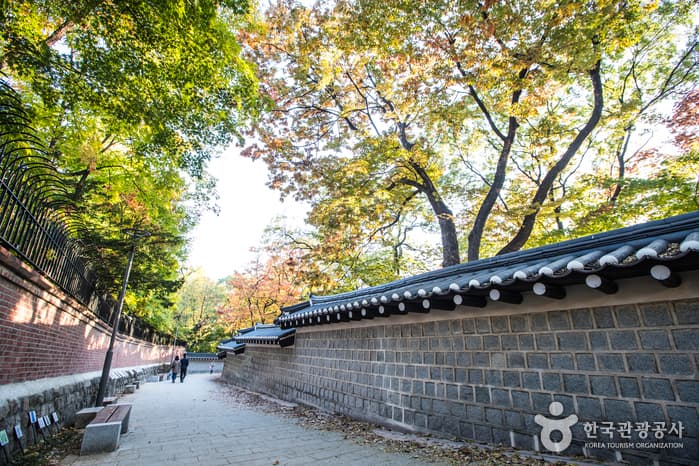
Deoksugung Stone Wall Path
A gently curving lane along the stone wall of Deoksugung Palace, lined with ginkgo trees that turn gold in autumn. Cafés, small museums and the old Jeong-dong legation quarter make it Seoul's favourite slow walk, by day or under the lamps at night.
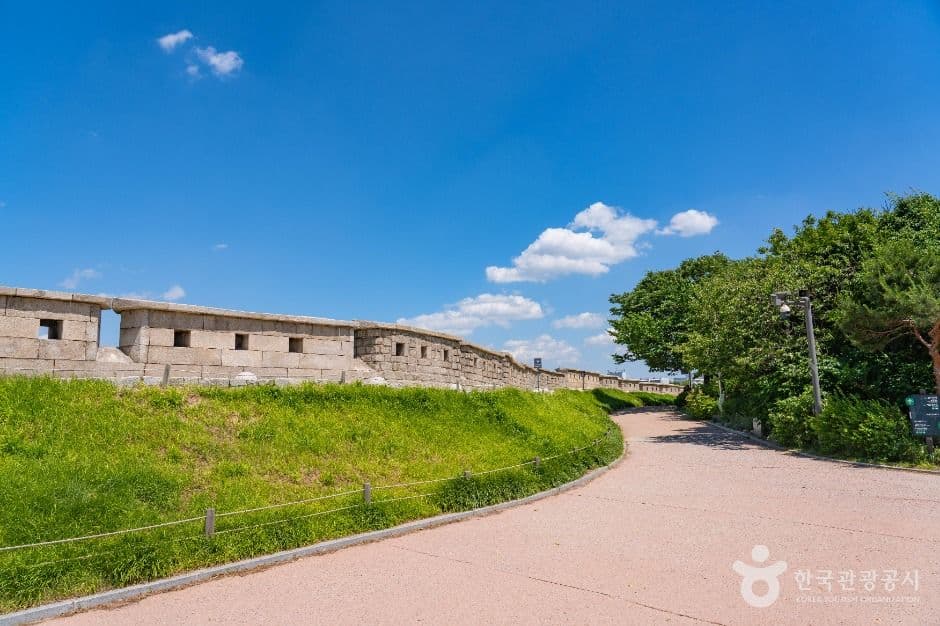
Naksan Park
A low hill on Seoul's old city wall with one of the easiest skyline views in the capital. Follow the restored fortress wall past the Ihwa mural village at dusk, when the lights come on across Dongdaemun and Namsan.
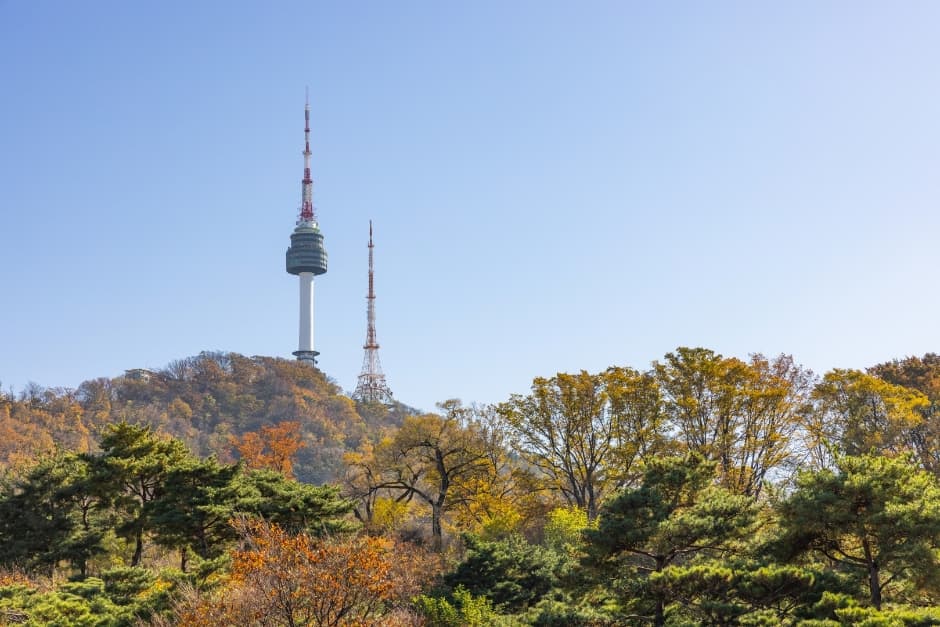
N Seoul Tower
The observation tower on Namsan that anchors the Seoul skyline, reached by cable car or a wooded walk. The deck gives a 360-degree view of the city; the padlock terraces and the evening light show are the crowd-pleasers.
Day 3 — Jeju
Begin in Jeju with Hallasan National Park, Manjanggul Lava Tube, Seongsan Ilchulbong, and Seogwipo's waterfalls. Today's stops include Manjanggul Lava Tube and Jusangjeolli Cliff.
Manjanggul Lava Tube
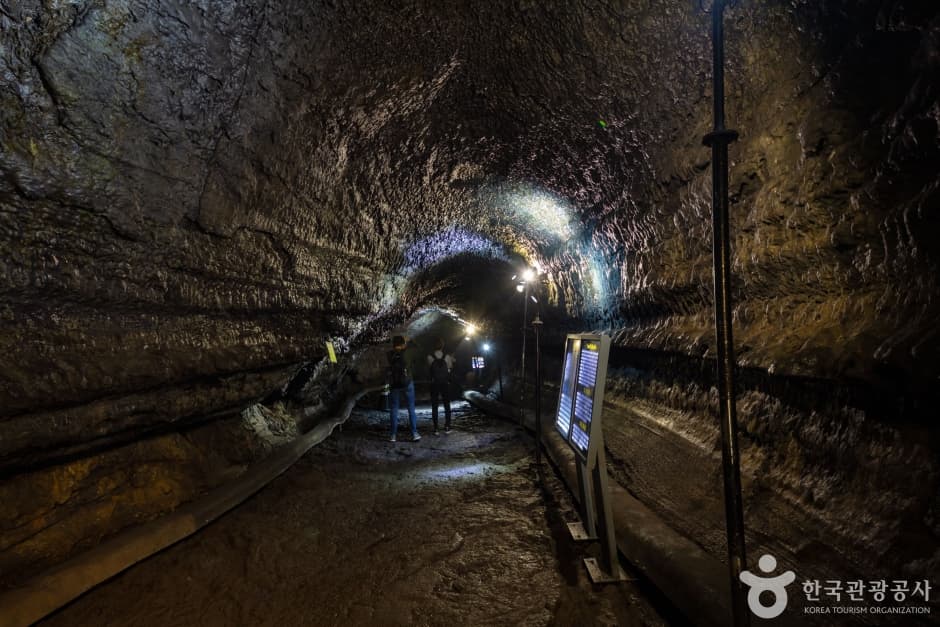
One of the world's largest lava tubes, Manjanggul winds nearly 7.4 kilometres beneath Jeju's volcanic landscape as part of the celebrated Geomunoreum system. A one-kilometre stretch is open to visitors, revealing lava stalactites, rippling rock formations, and a towering 7.6-meter lava column—the tallest of its kind on Earth. Formed over 100,000 years ago, it remains remarkably intact, offering a rare glimpse into Jeju's fiery origins.
Jusangjeolli Cliff
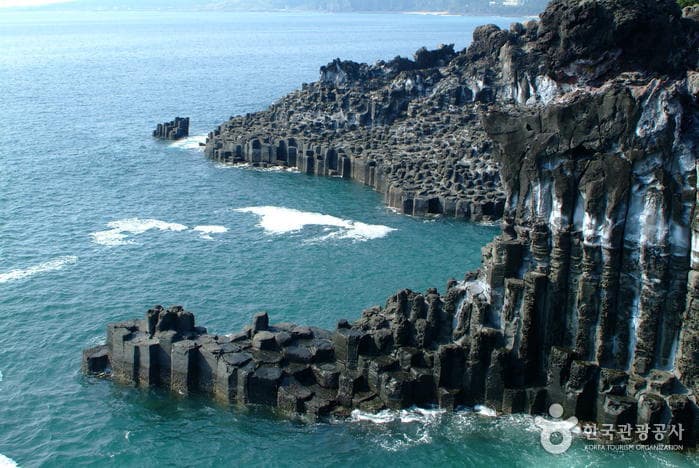
Hexagonal basalt columns stacked along the Seogwipo shore, formed as lava met the sea and cooled. Waves crash against the pillars below the viewing deck — the most dramatic piece of volcanic coastline on Jeju's south side.
Day 4 — Jeju
A full day in Jeju, taking in Yeongsil Trail and Cheonjiyeon Falls.
Yeongsil Trail
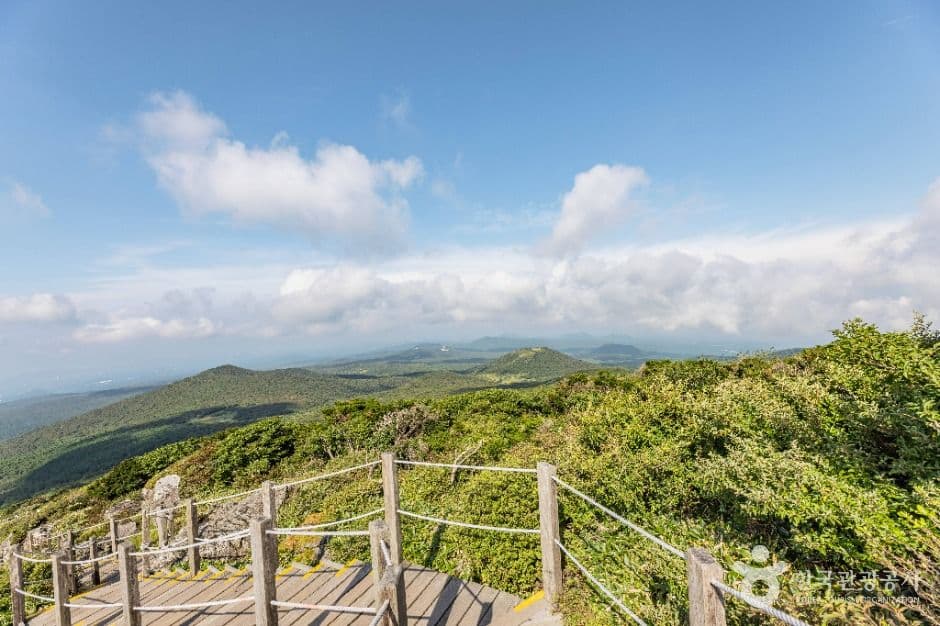
Often praised as the most scenic route up Hallasan, the Yeongsil Trail packs breathtaking beauty into a manageable 5.8-kilometre climb. Steep ridges give way to gentle stretches as you ascend toward the Nambyeok watershed, passing through lush forest and dramatic rock formations. Gentle enough for families, it rewards every step with sweeping mountain vistas.
Cheonjiyeon Falls
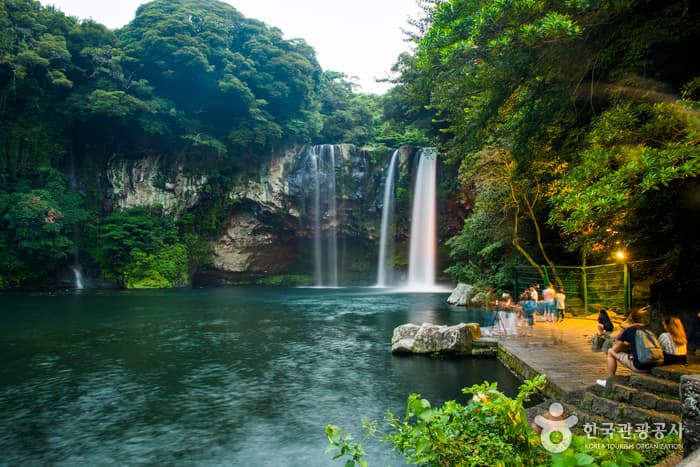
Named for water that seems to spill straight from the sky, Cheonjiyeon Falls plunges 22 meters into a deep, crystal-clear pool. The surrounding forest shelters rare species, including protected dampalsu trees and delicate camellias, all recognized as natural treasures. Best explored along a scenic wooded trail, the falls are especially magical when illuminated after dark.
Day 5 — Jeju
A full day in Jeju, taking in Seongsan Ilchulbong Tuff Cone.
Seongsan Ilchulbong Tuff Cone
Rising dramatically from the sea some 5,000 years ago, this volcanic tuff cone crowns Jeju's eastern coast with a vast crater ringed by jagged peaks. Once a separate island, it now connects to the mainland by a sandy isthmus, and its summit offers one of Korea's most celebrated sunrise views over Udo Island. Recognized as a UNESCO World Heritage Site, it remains a must-see for anyone exploring Jeju.
Day 6 — Yeosu
Fly to Yeosu for Odongdo Island and Dolsan Park's sea views. Today's stops include Odongdo Island, Yeosu Maritime Cable Car and Hyangiram Hermitage.
Odongdo Island
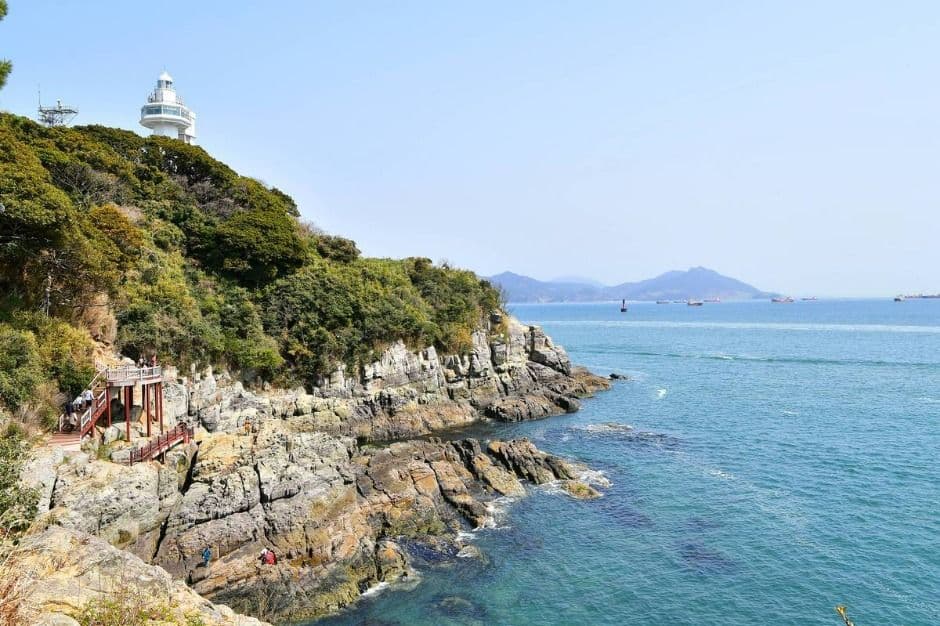
Just off the coast of Yeosu, this small island is reached by a breakwater walkway or the Dongbaek Train that runs alongside it. Coastal cliffs, a lighthouse, and dense stands of camellias—which peak in March—draw visitors, while a scenic cruise offers views of the surrounding shoreline.
Yeosu Maritime Cable Car
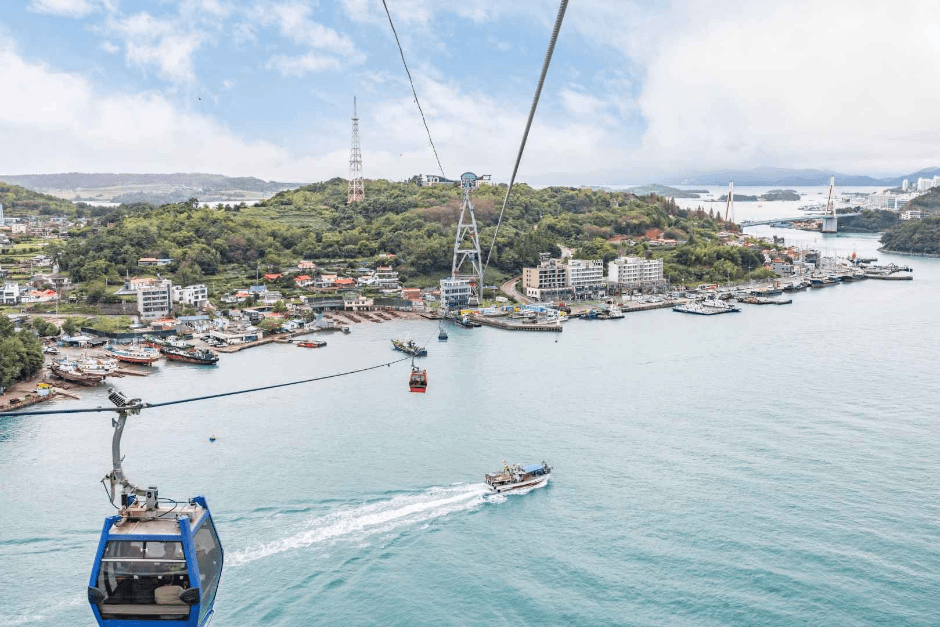
Korea's first over-the-sea cable car links Dolsan Island with the mainland, gliding above the water between the two. Standard cabins are complemented by crystal cabins with transparent floors, offering an airy view straight down to the ocean below.
Hyangiram Hermitage
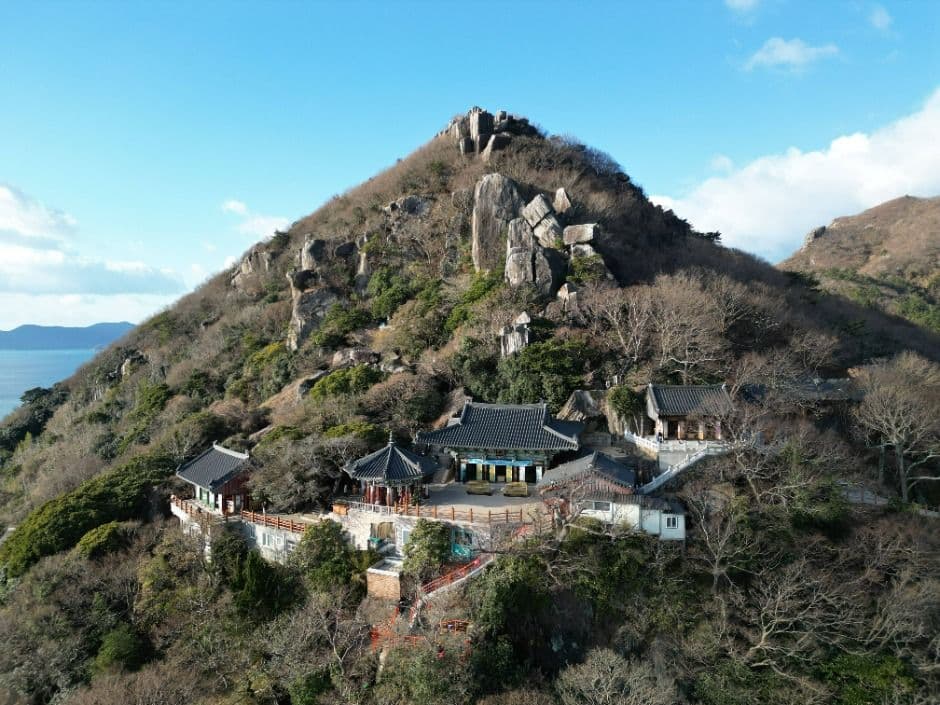
Perched on the coast of Yeosu, Hyangiram is one of Korea's four hermitages dedicated to prayers to the Avalokitesvara Bodhisattva. Founded by Monk Wonhyo in 644 and renamed over the centuries, it retains a cluster of halls including the Daeungjeon, rebuilt in 2012 after a fire.
Day 7 — Gwangju
On the way to Gwangju, stop in Suncheon for Suncheon Bay Garden and Naganeupseong Folk Village. Today's stops include Yangdong Market.
Yangdong Market
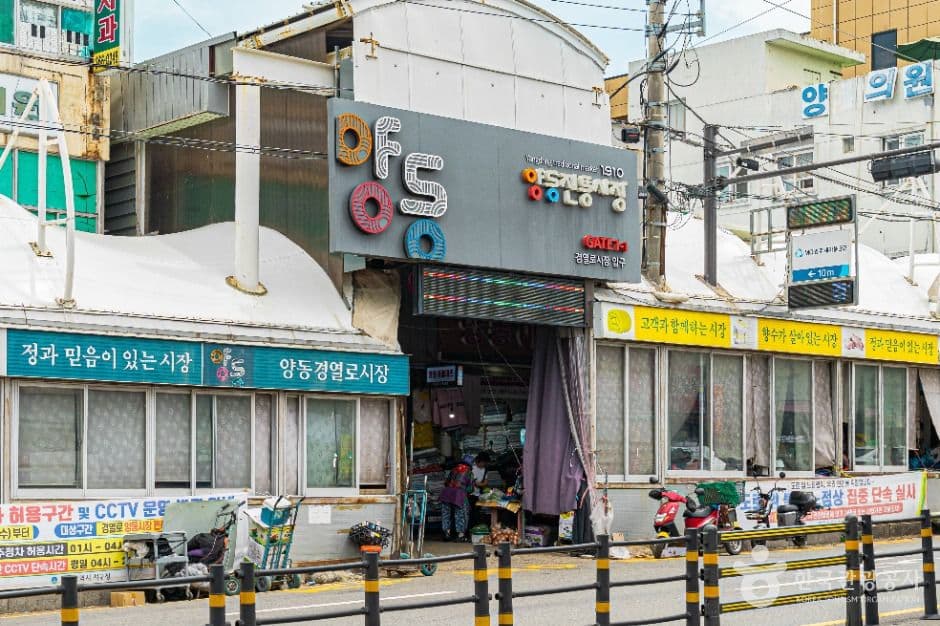
Gwangju's century-old central market, the largest in the Jeolla region, piled high with produce, textiles, and southern street food. A working market where the city's famed generosity with food is on full display.
Day 8 — Jeonju
In Gwangju, enjoy the Asia Culture Center and local art scene before heading to Jeonju for its hanok village, bibimbap tastings, and night lights over Namcheongyo Bridge and its Cheongyeonru pavilion. Today's stops include Jeonju Hanok Village, Omokdae and Imokdae Historic Sites, Jaman Mural Village and Gyeonggijeon Shrine.
Jeonju Hanok Village
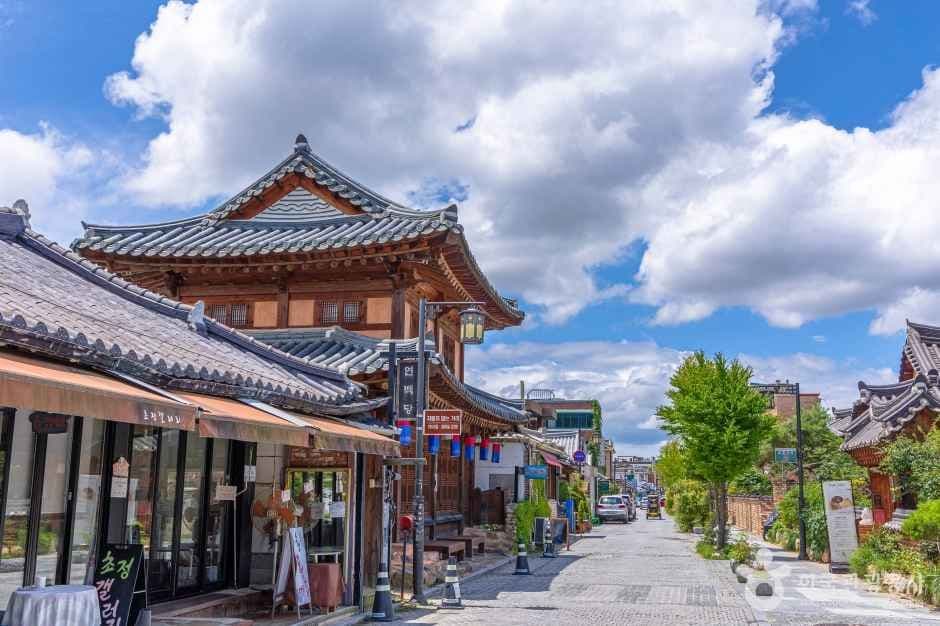
Korea's largest cluster of traditional hanok houses, this rare urban village gathers some 700 tiled-roof homes around Gyeonggijeon Shrine and Jeonjuhyanggyo. Visitors can stay overnight in a hanok or step into the Hanok Life Experience Hall to see how these homes were lived in.
Omokdae and Imokdae Historic Sites
Set on a hillside overlooking Jeonju, Omokdae marks the spot where Yi Seong-gye paused to celebrate victory before he became King Taejo. Across the way, Imokdae recalls his ancestors, with memorial stones bearing calligraphy by Emperor Gojong.
Jaman Mural Village
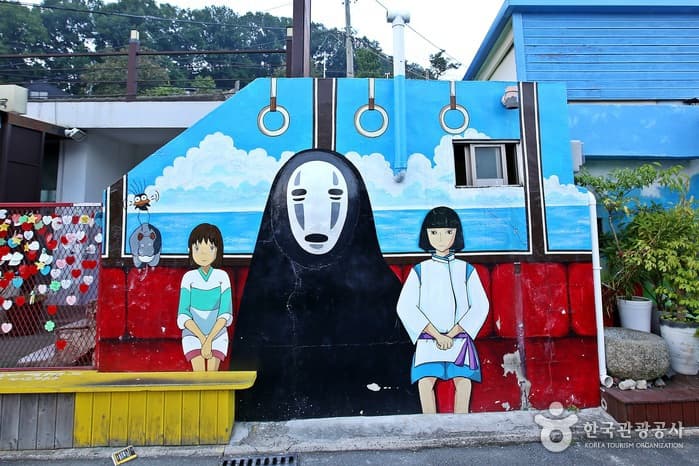
On the hillside just across from the Hanok Village, this small neighbourhood was settled by Korean War refugees along a maze of narrow lanes. Since 2012 more than 40 murals have brightened its walls, and many old houses now hold cafes, guesthouses, and restaurants.
Gyeonggijeon Shrine
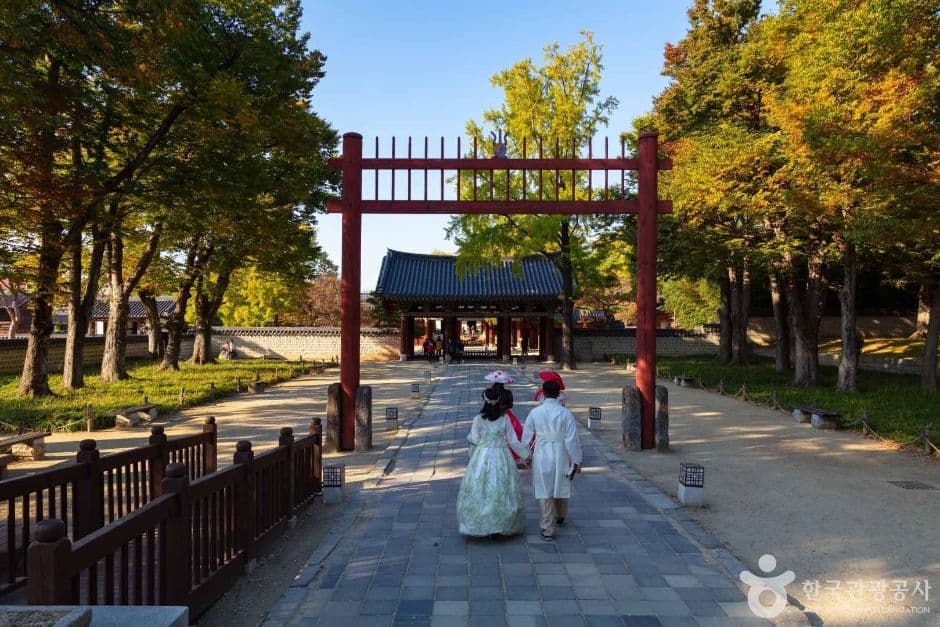
Founded in 1410, this historic shrine safeguards the portrait of King Taejo, founder of the Joseon dynasty. Its main hall, stone walls, and bamboo grove form a serene pocket of old Korea within the city, and its cinematic setting has made it a favourite backdrop for period dramas.
Day 9 — Daejeon
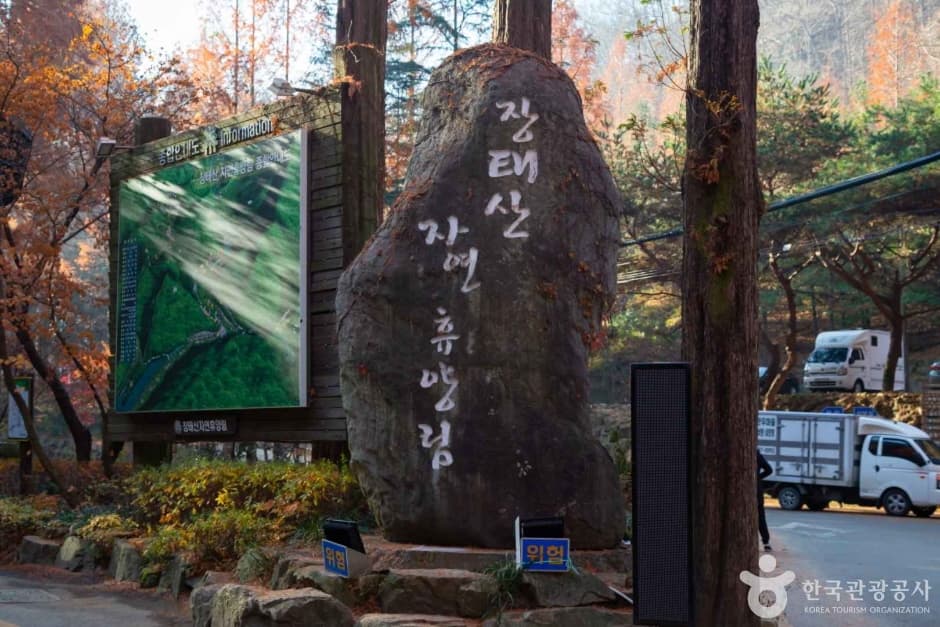
Travel on to Daejeon, visiting Hanbat Arboretum, Jangtaesan Recreational Forest and Daecheongho Lake.
Hanbat Arboretum
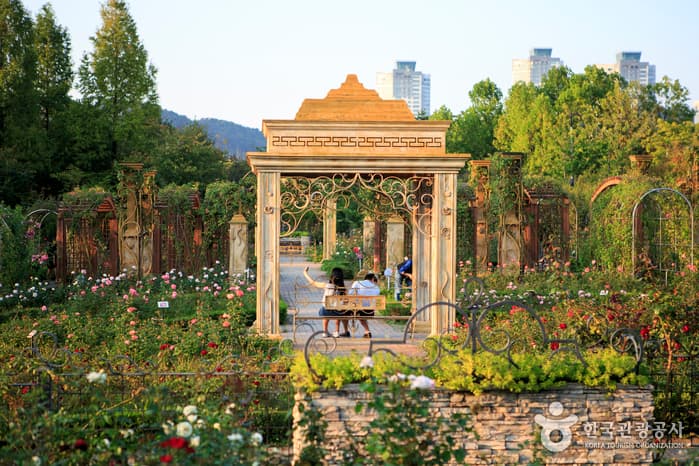
Korea's largest man-made urban arboretum, Hanbat spans some 387,000 square meters beside the Government Complex-Daejeon. Divided into West and East gardens, it features 19 themed spaces such as the Magnolia Garden, Medicinal Herbs Garden, and Rock Garden, offering both a place to learn and to unwind.
Jangtaesan Recreational Forest
A dense woodland of towering bald cypress and ginkgo trees, Jangtaesan is a refreshing retreat especially prized in the summer months. Walking trails, a botanical garden, and barefoot paths wind through the greenery, while Yongtaeul Reservoir greets visitors at the entrance.
Daecheongho Lake
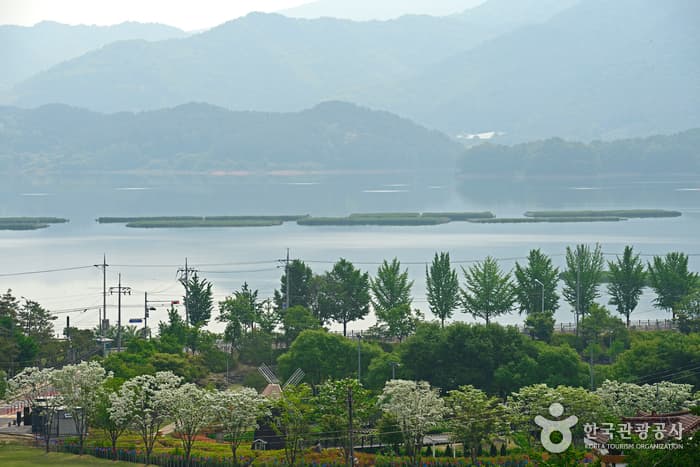
Completed in 1980, this vast man-made lake supplies water to Daejeon and Cheongju and ranks as Korea's third largest. Its 80-kilometre shoreline is celebrated for scenic drives along tree-lined roads, and the upper reaches draw herons and migratory birds through the summer.
Day 10 — Seoul
Travel on to Seoul, visiting COEX Aquarium, Bukchon Hanok Village, Lotte World and Insadong Cultural Street.
COEX Aquarium
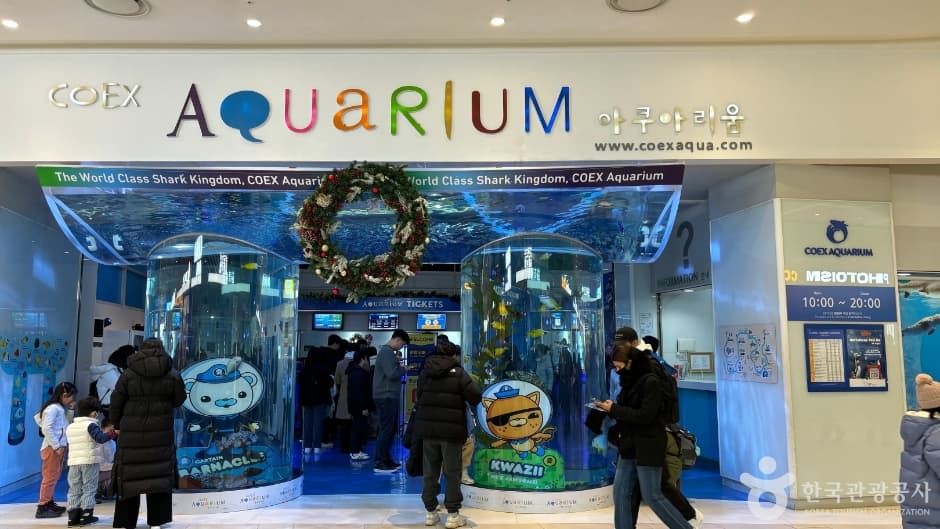
A large city-centre aquarium beneath the COEX complex in Gangnam, with sixteen themed zones and a walk-through shark tunnel. An easy half-day for families, and a rainy-day fallback that sits beside the Starfield Library and the shopping mall.
Bukchon Hanok Village
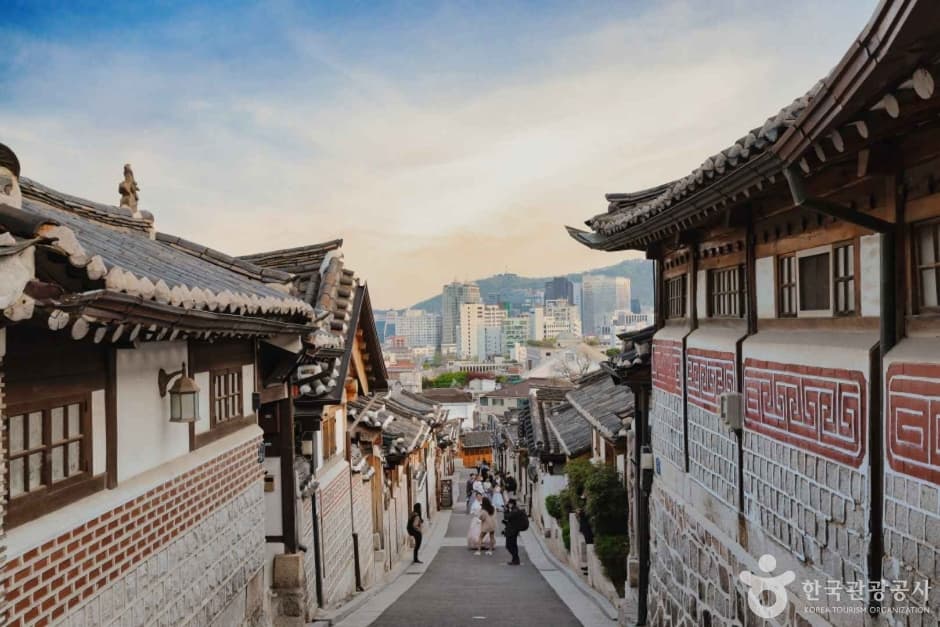
A hillside neighbourhood of hundreds of traditional hanok houses tucked between Gyeongbokgung and Changdeokgung palaces. Its narrow lanes are still lived in today, which gives every alley view of tiled roofs and the city skyline an authentic, everyday charm.
Lotte World
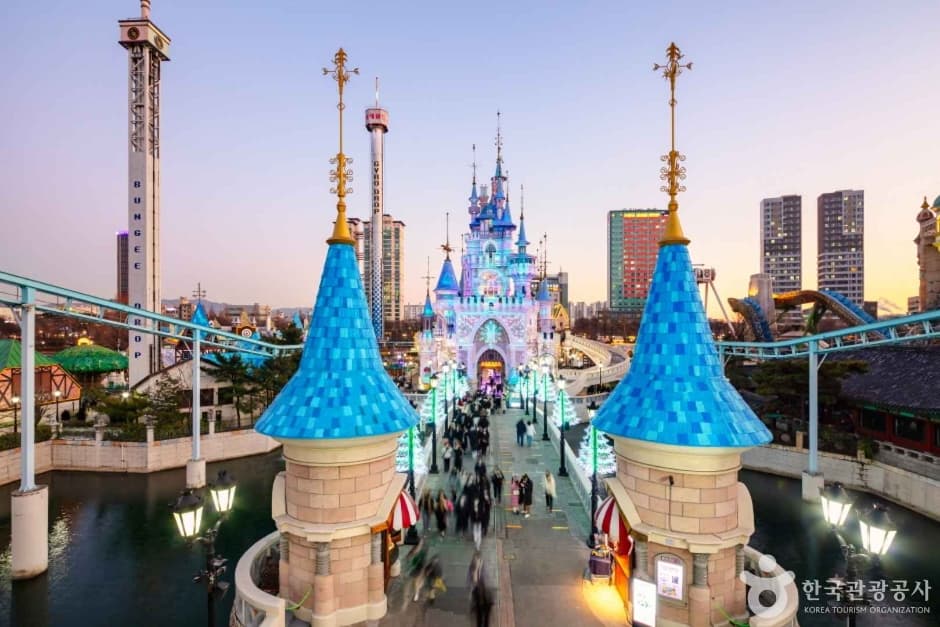
Korea's best-known theme park, with an indoor adventure hall under a glass dome and the outdoor Magic Island on Seokchon Lake. Rides, parades and an ice rink make it a reliable full day for families in any weather.
Insadong Cultural Street
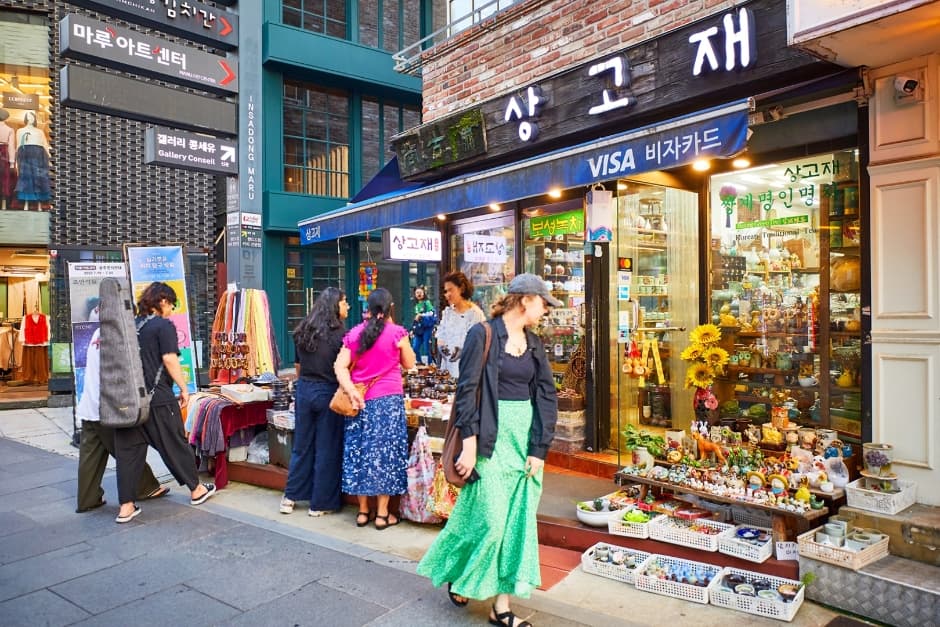
Seoul's traditional arts district, where antique dealers, calligraphy brush shops, galleries, and tea houses line a single walkable street. It is the easiest place in the city to browse Korean crafts and pick up a meaningful souvenir.
Day 11 — Seoul
Free time in Seoul until your transfer to Incheon International Airport for the flight home.
Along the Way
Signature places in the cities on this route — swipe through each stop.
Seoul
Changdeokgung Palace
Joseon's most intact palace, built in 1405 and laid out to follow the slope of the hill rather than a grid. Behind the throne halls lies the Secret Garden, where pavilions and lotus ponds sit among old trees — a UNESCO site best seen on the guided garden walk.
Deoksugung Stone Wall Path
A gently curving lane along the stone wall of Deoksugung Palace, lined with ginkgo trees that turn gold in autumn. Cafés, small museums and the old Jeong-dong legation quarter make it Seoul's favourite slow walk, by day or under the lamps at night.
Naksan Park
A low hill on Seoul's old city wall with one of the easiest skyline views in the capital. Follow the restored fortress wall past the Ihwa mural village at dusk, when the lights come on across Dongdaemun and Namsan.
N Seoul Tower
The observation tower on Namsan that anchors the Seoul skyline, reached by cable car or a wooded walk. The deck gives a 360-degree view of the city; the padlock terraces and the evening light show are the crowd-pleasers.
COEX Aquarium
A large city-centre aquarium beneath the COEX complex in Gangnam, with sixteen themed zones and a walk-through shark tunnel. An easy half-day for families, and a rainy-day fallback that sits beside the Starfield Library and the shopping mall.
Bukchon Hanok Village
A hillside neighbourhood of hundreds of traditional hanok houses tucked between Gyeongbokgung and Changdeokgung palaces. Its narrow lanes are still lived in today, which gives every alley view of tiled roofs and the city skyline an authentic, everyday charm.
Lotte World
Korea's best-known theme park, with an indoor adventure hall under a glass dome and the outdoor Magic Island on Seokchon Lake. Rides, parades and an ice rink make it a reliable full day for families in any weather.
Insadong Cultural Street
Seoul's traditional arts district, where antique dealers, calligraphy brush shops, galleries, and tea houses line a single walkable street. It is the easiest place in the city to browse Korean crafts and pick up a meaningful souvenir.
Gwangjang Market
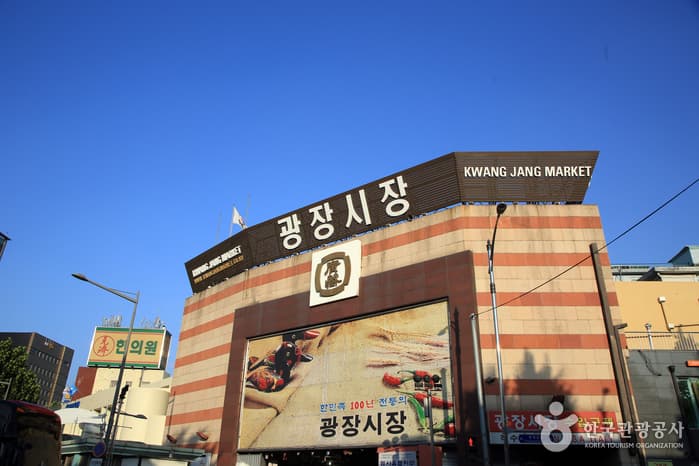
Korea's first permanent market, trading for over a century and now famous for its street food alley — mung-bean pancakes sizzling on griddles, mayak gimbap, and raw beef tartare eaten shoulder-to-shoulder with locals.
Dongdaemun Design Plaza
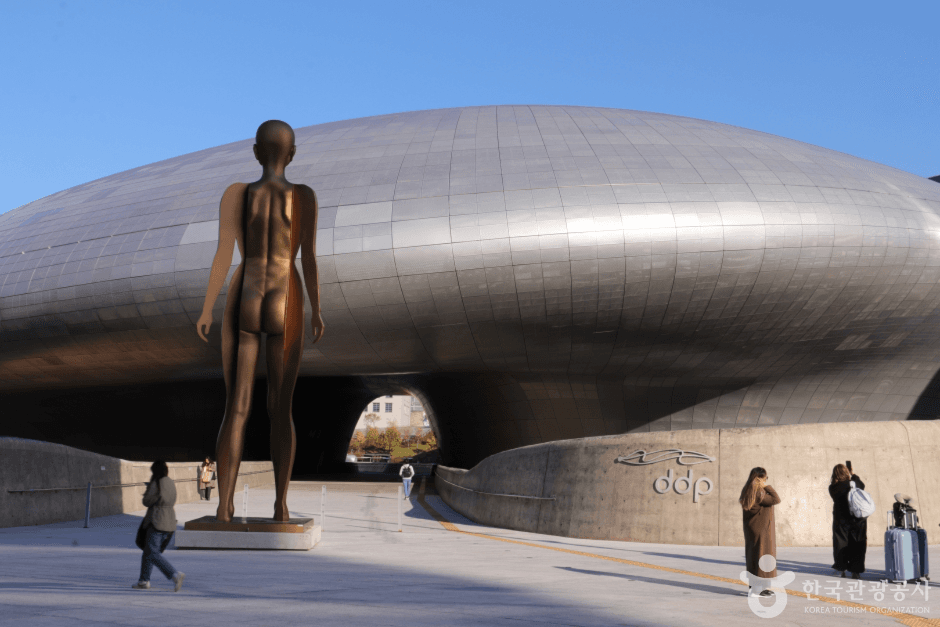
Zaha Hadid's silver, curving landmark anchors Seoul's 24-hour fashion district. Design exhibitions, night markets, and the LED rose garden make it the city's signature stop for contemporary architecture lovers.
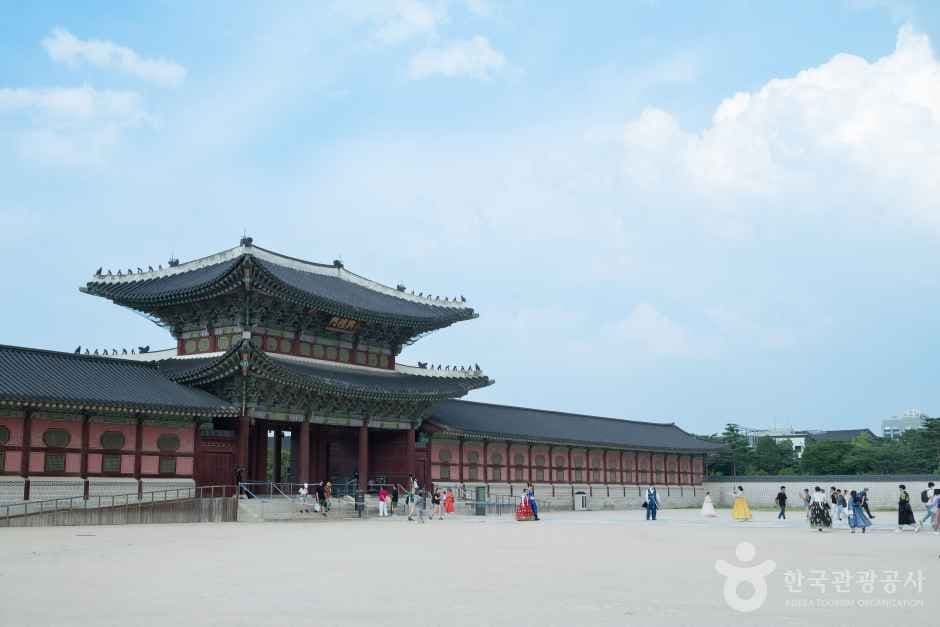
Gyeongbokgung Palace
The grandest of Seoul's five royal palaces, built in 1395 as the seat of the Joseon dynasty. Watch the royal guard changing ceremony at Gwanghwamun Gate, then wander past throne halls and lotus-pond pavilions with Bugaksan Mountain rising behind the rooflines.
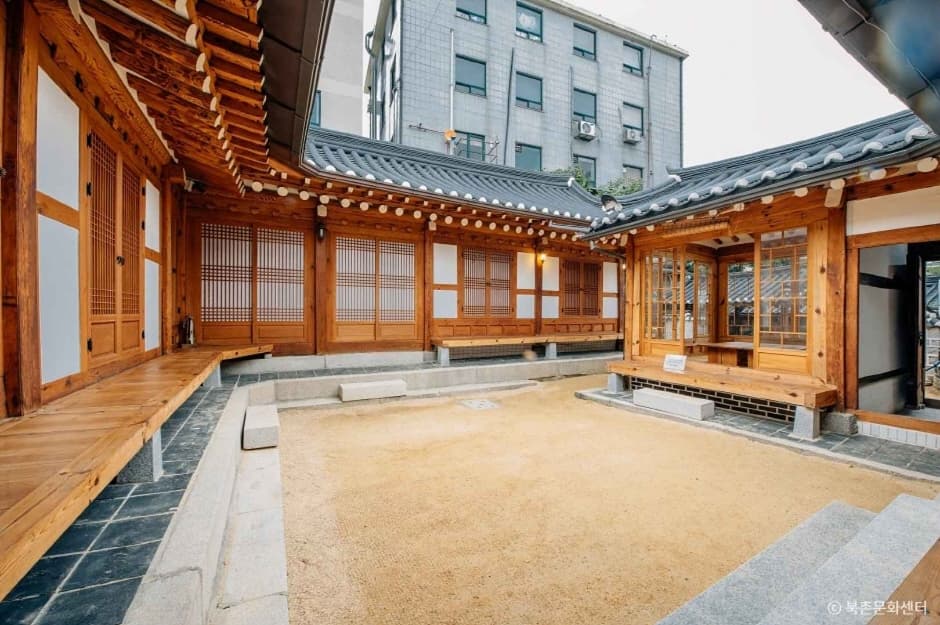
Bukchon Cultural Center
A restored hanok that serves as the gateway to Bukchon, offering exhibitions and hands-on programmes on traditional Korean living. A good first stop to understand the village before exploring its lanes.
Jeju
Jusangjeolli Cliff
Hexagonal basalt columns stacked along the Seogwipo shore, formed as lava met the sea and cooled. Waves crash against the pillars below the viewing deck — the most dramatic piece of volcanic coastline on Jeju's south side.
Yeongsil Trail
Often praised as the most scenic route up Hallasan, the Yeongsil Trail packs breathtaking beauty into a manageable 5.8-kilometre climb. Steep ridges give way to gentle stretches as you ascend toward the Nambyeok watershed, passing through lush forest and dramatic rock formations. Gentle enough for families, it rewards every step with sweeping mountain vistas.
Cheonjiyeon Falls
Named for water that seems to spill straight from the sky, Cheonjiyeon Falls plunges 22 meters into a deep, crystal-clear pool. The surrounding forest shelters rare species, including protected dampalsu trees and delicate camellias, all recognized as natural treasures. Best explored along a scenic wooded trail, the falls are especially magical when illuminated after dark.
Manjanggul Lava Tube
One of the world's largest lava tubes, Manjanggul winds nearly 7.4 kilometres beneath Jeju's volcanic landscape as part of the celebrated Geomunoreum system. A one-kilometre stretch is open to visitors, revealing lava stalactites, rippling rock formations, and a towering 7.6-meter lava column—the tallest of its kind on Earth. Formed over 100,000 years ago, it remains remarkably intact, offering a rare glimpse into Jeju's fiery origins.
Yeosu
Yeosu Maritime Cable Car
Korea's first over-the-sea cable car links Dolsan Island with the mainland, gliding above the water between the two. Standard cabins are complemented by crystal cabins with transparent floors, offering an airy view straight down to the ocean below.
Odongdo Island
Just off the coast of Yeosu, this small island is reached by a breakwater walkway or the Dongbaek Train that runs alongside it. Coastal cliffs, a lighthouse, and dense stands of camellias—which peak in March—draw visitors, while a scenic cruise offers views of the surrounding shoreline.
Hyangiram Hermitage
Perched on the coast of Yeosu, Hyangiram is one of Korea's four hermitages dedicated to prayers to the Avalokitesvara Bodhisattva. Founded by Monk Wonhyo in 644 and renamed over the centuries, it retains a cluster of halls including the Daeungjeon, rebuilt in 2012 after a fire.
Gwangju
Yangdong Market
Gwangju's century-old central market, the largest in the Jeolla region, piled high with produce, textiles, and southern street food. A working market where the city's famed generosity with food is on full display.
Jeonju
Jeonju Hanok Village
Korea's largest cluster of traditional hanok houses, this rare urban village gathers some 700 tiled-roof homes around Gyeonggijeon Shrine and Jeonjuhyanggyo. Visitors can stay overnight in a hanok or step into the Hanok Life Experience Hall to see how these homes were lived in.
Jaman Mural Village
On the hillside just across from the Hanok Village, this small neighbourhood was settled by Korean War refugees along a maze of narrow lanes. Since 2012 more than 40 murals have brightened its walls, and many old houses now hold cafes, guesthouses, and restaurants.
Gyeonggijeon Shrine
Founded in 1410, this historic shrine safeguards the portrait of King Taejo, founder of the Joseon dynasty. Its main hall, stone walls, and bamboo grove form a serene pocket of old Korea within the city, and its cinematic setting has made it a favourite backdrop for period dramas.
Daejeon
Hanbat Arboretum
Korea's largest man-made urban arboretum, Hanbat spans some 387,000 square meters beside the Government Complex-Daejeon. Divided into West and East gardens, it features 19 themed spaces such as the Magnolia Garden, Medicinal Herbs Garden, and Rock Garden, offering both a place to learn and to unwind.
Jangtaesan Recreational Forest
A dense woodland of towering bald cypress and ginkgo trees, Jangtaesan is a refreshing retreat especially prized in the summer months. Walking trails, a botanical garden, and barefoot paths wind through the greenery, while Yongtaeul Reservoir greets visitors at the entrance.
Daecheongho Lake
Completed in 1980, this vast man-made lake supplies water to Daejeon and Cheongju and ranks as Korea's third largest. Its 80-kilometre shoreline is celebrated for scenic drives along tree-lined roads, and the upper reaches draw herons and migratory birds through the summer.