Sample Journey
Ultimate Korea Discovery (17D 16N)
Seoul (4N), Chuncheon (1N), Sokcho (1N), Andong (1N), Gyeongju (2N), Busan (2N), Suncheon (1N), Jeonju (1N), Daejeon (1N), Seoul (2N)
Day by Day
Day 1 — Seoul
Arrive at Incheon International Airport, where our team meets you and transfers you to your hotel in Seoul. The rest of the day is yours to rest and settle in.
Day 2 — Seoul
Begin in Seoul with visits to royal palaces, the Blue House area, Seoul Fortress Walls, Dongdaemun Design Plaza, and lively markets. Today: Dongdaemun Design Plaza, Changdeokgung Palace, Deoksugung Stone Wall Path and Naksan Park.
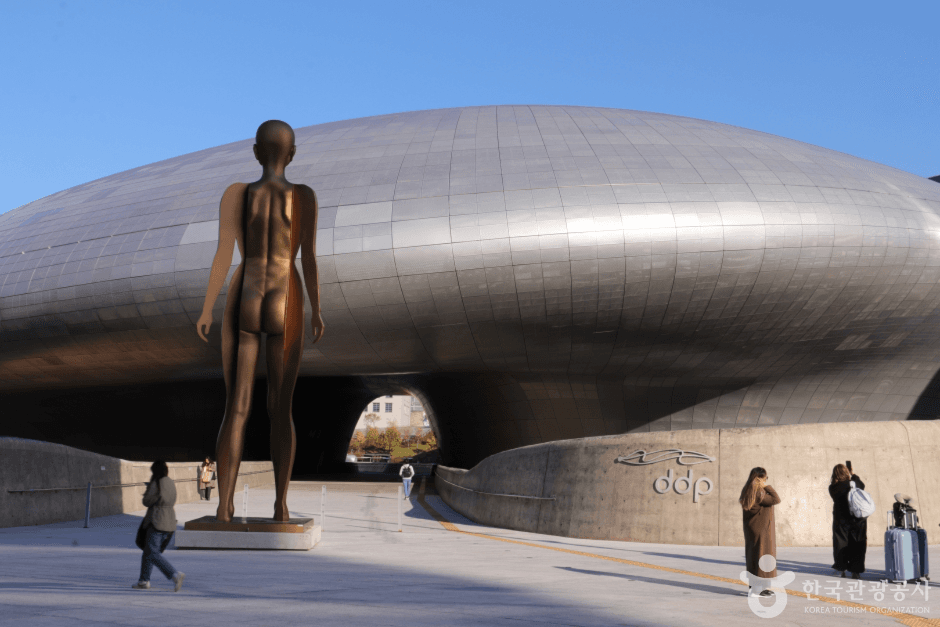
Dongdaemun Design Plaza
Zaha Hadid's silver, curving landmark anchors Seoul's 24-hour fashion district. Design exhibitions, night markets, and the LED rose garden make it the city's signature stop for contemporary architecture lovers.
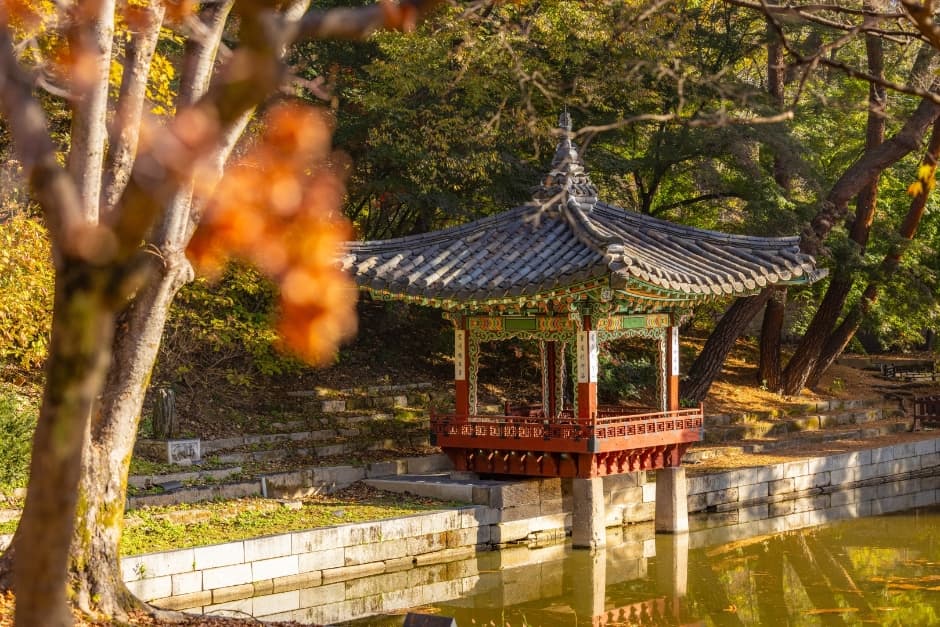
Changdeokgung Palace
Joseon's most intact palace, built in 1405 and laid out to follow the slope of the hill rather than a grid. Behind the throne halls lies the Secret Garden, where pavilions and lotus ponds sit among old trees — a UNESCO site best seen on the guided garden walk.
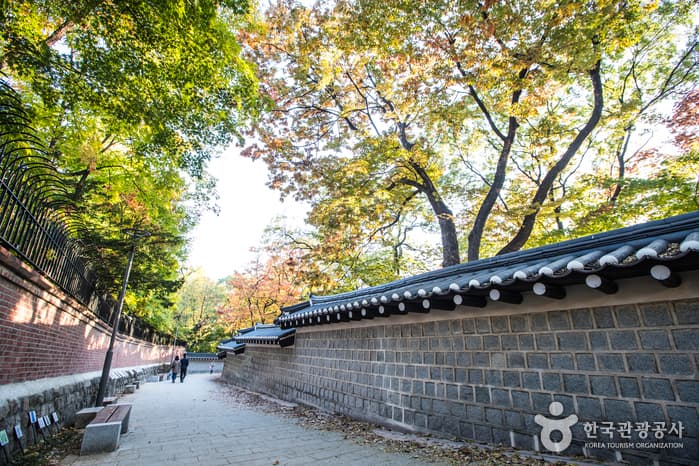
Deoksugung Stone Wall Path
A gently curving lane along the stone wall of Deoksugung Palace, lined with ginkgo trees that turn gold in autumn. Cafés, small museums and the old Jeong-dong legation quarter make it Seoul's favourite slow walk, by day or under the lamps at night.
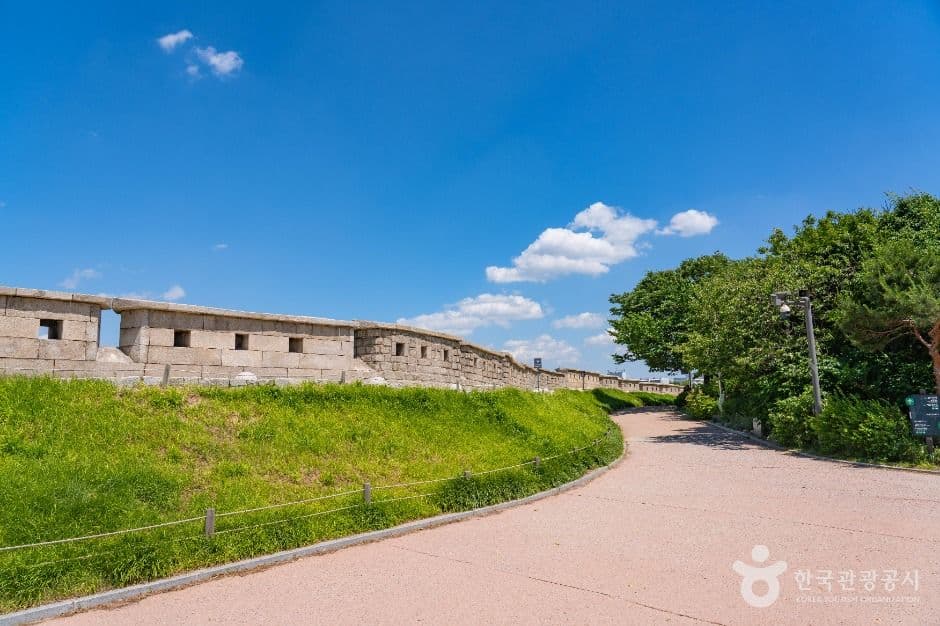
Naksan Park
A low hill on Seoul's old city wall with one of the easiest skyline views in the capital. Follow the restored fortress wall past the Ihwa mural village at dusk, when the lights come on across Dongdaemun and Namsan.
Day 3 — Seoul
Travel west to Suncheon for its Wetland Reserve and Bay Garden, and end in Jeonju, savouring its famous hanjeongsik meal before returning to Seoul. Today: N Seoul Tower, COEX Aquarium, Bukchon Hanok Village and Lotte World.
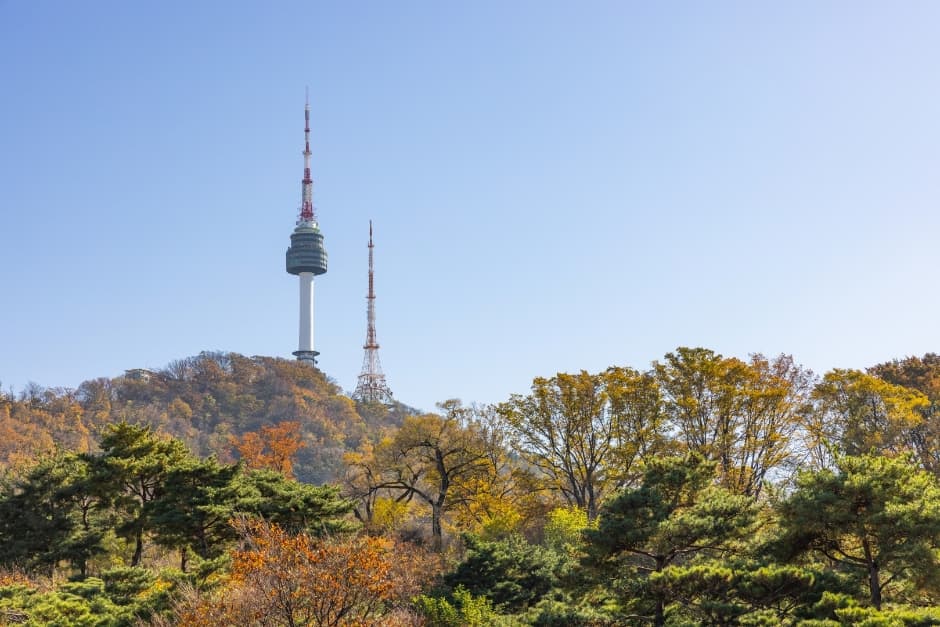
N Seoul Tower
The observation tower on Namsan that anchors the Seoul skyline, reached by cable car or a wooded walk. The deck gives a 360-degree view of the city; the padlock terraces and the evening light show are the crowd-pleasers.

COEX Aquarium
A large city-centre aquarium beneath the COEX complex in Gangnam, with sixteen themed zones and a walk-through shark tunnel. An easy half-day for families, and a rainy-day fallback that sits beside the Starfield Library and the shopping mall.
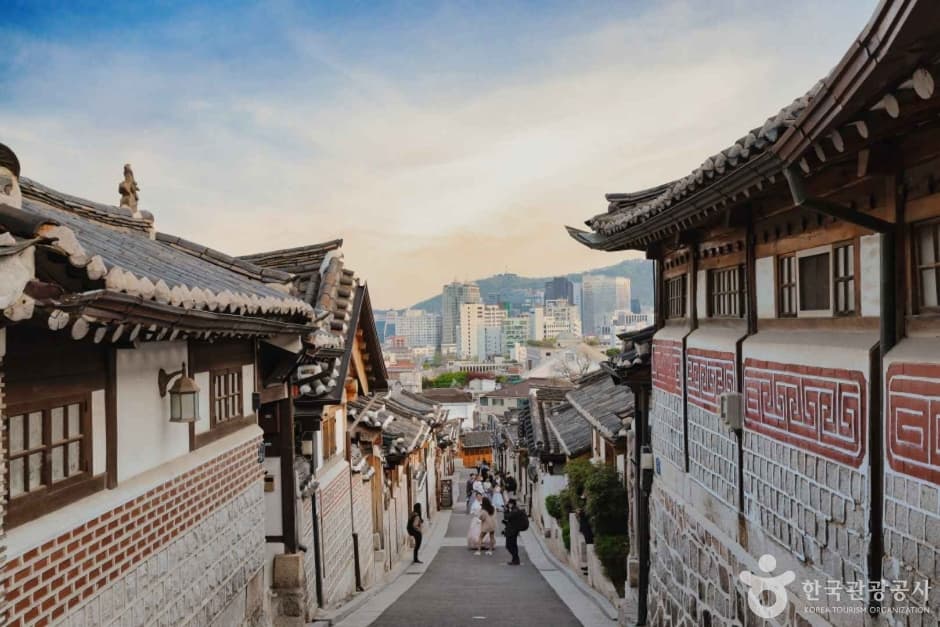
Bukchon Hanok Village
A hillside neighbourhood of hundreds of traditional hanok houses tucked between Gyeongbokgung and Changdeokgung palaces. Its narrow lanes are still lived in today, which gives every alley view of tiled roofs and the city skyline an authentic, everyday charm.
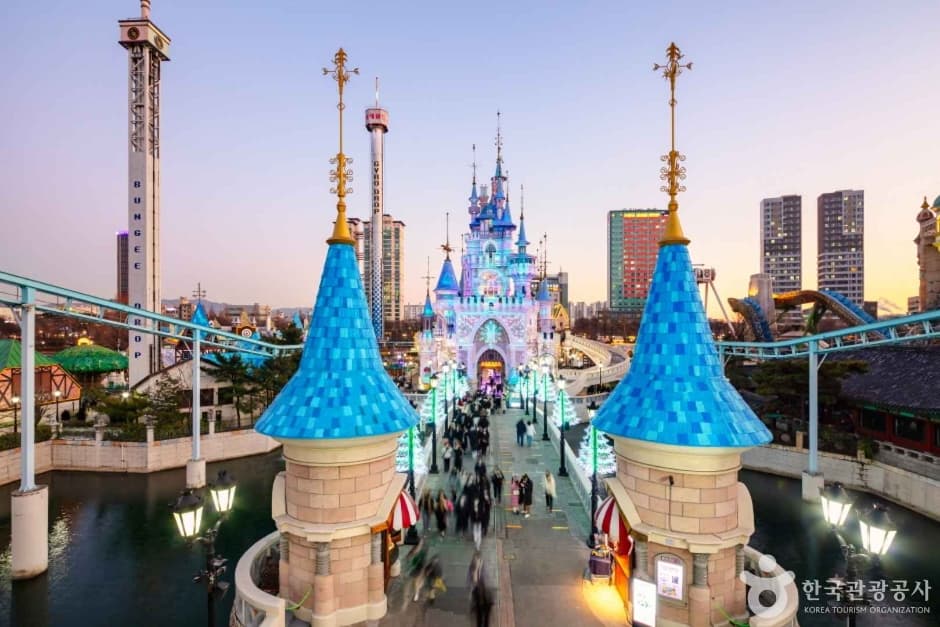
Lotte World
Korea's best-known theme park, with an indoor adventure hall under a glass dome and the outdoor Magic Island on Seokchon Lake. Rides, parades and an ice rink make it a reliable full day for families in any weather.
Day 4 — Seoul
A full day in Seoul, taking in Insadong Cultural Street, Gwangjang Market, Gyeongbokgung Palace and Bukchon Cultural Center.
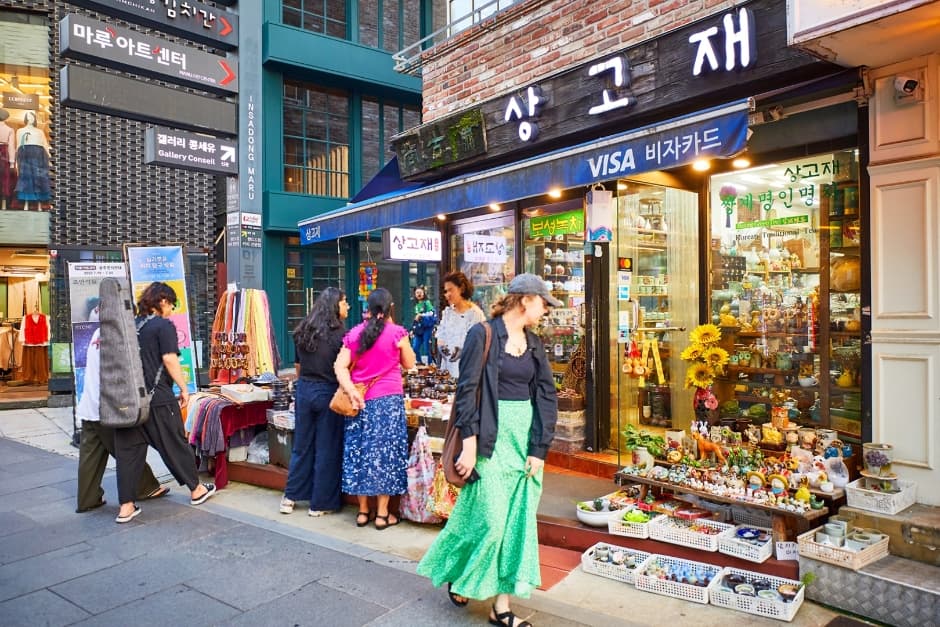
Insadong Cultural Street
Seoul's traditional arts district, where antique dealers, calligraphy brush shops, galleries, and tea houses line a single walkable street. It is the easiest place in the city to browse Korean crafts and pick up a meaningful souvenir.
Gwangjang Market
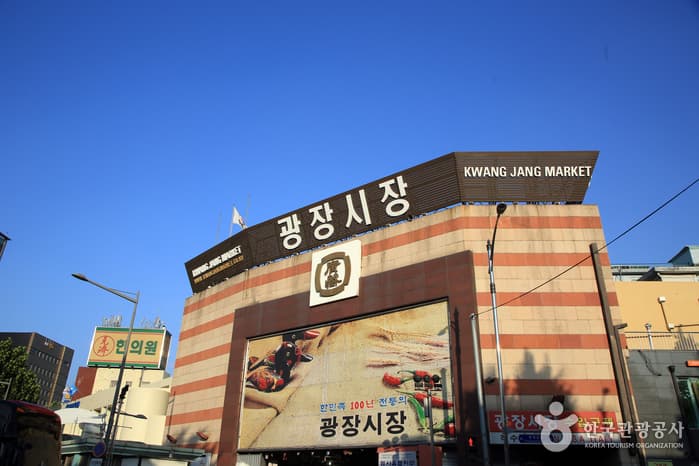
Korea's first permanent market, trading for over a century and now famous for its street food alley — mung-bean pancakes sizzling on griddles, mayak gimbap, and raw beef tartare eaten shoulder-to-shoulder with locals.
Gyeongbokgung Palace
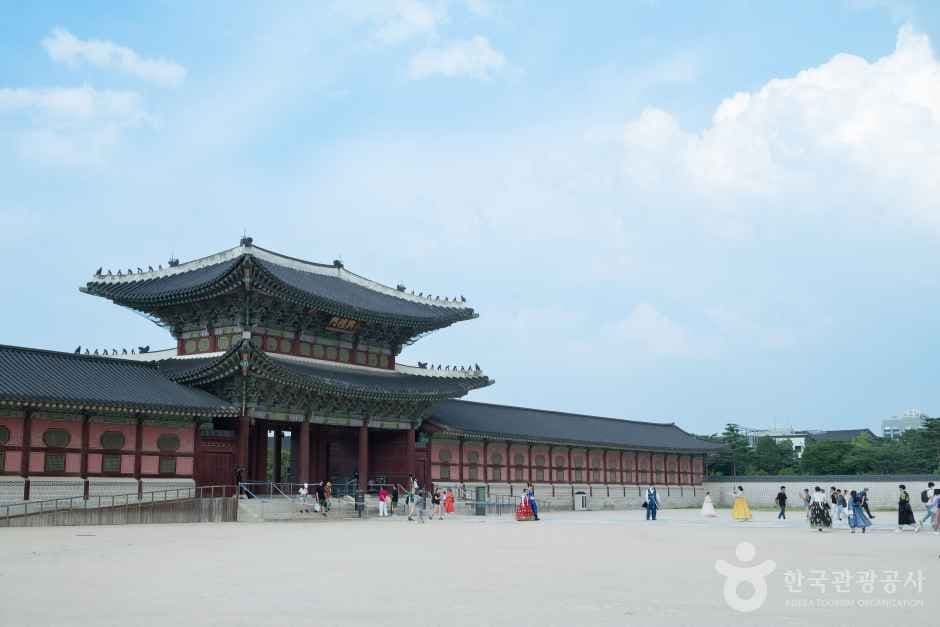
The grandest of Seoul's five royal palaces, built in 1395 as the seat of the Joseon dynasty. Watch the royal guard changing ceremony at Gwanghwamun Gate, then wander past throne halls and lotus-pond pavilions with Bugaksan Mountain rising behind the rooflines.
Bukchon Cultural Center
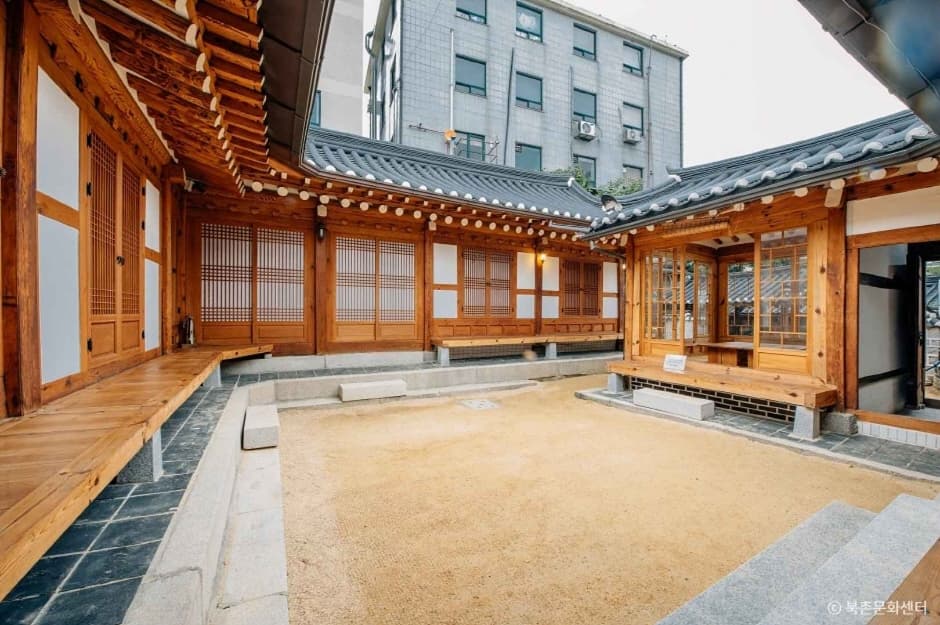
A restored hanok that serves as the gateway to Bukchon, offering exhibitions and hands-on programmes on traditional Korean living. A good first stop to understand the village before exploring its lanes.
Day 5 — Chuncheon
Continue north to Chuncheon and Sokcho to enjoy lakeside scenery, Nami Island, and Seoraksan National Park. Today's stops include Nami Island, Cheongpyeongsa Temple and Soyanggang Skywalk.
Nami Island
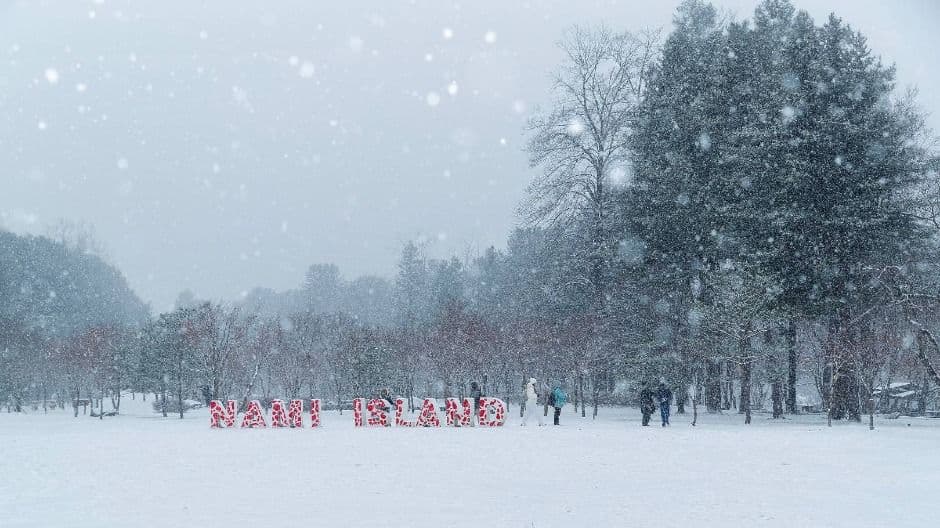
A half-moon-shaped isle on the Bukhangang River, Nami Island is known for its tree-lined lanes and shifting seasonal colors, made famous as a Korean drama filming location. Beyond its scenery, visitors can explore museums, picture-book playgrounds, and cultural events, or simply cycle and stroll among the metasequoia paths. Themed dining and the on-site Hotel Jeonggwanru make it an easy day trip or overnight escape.
Cheongpyeongsa Temple
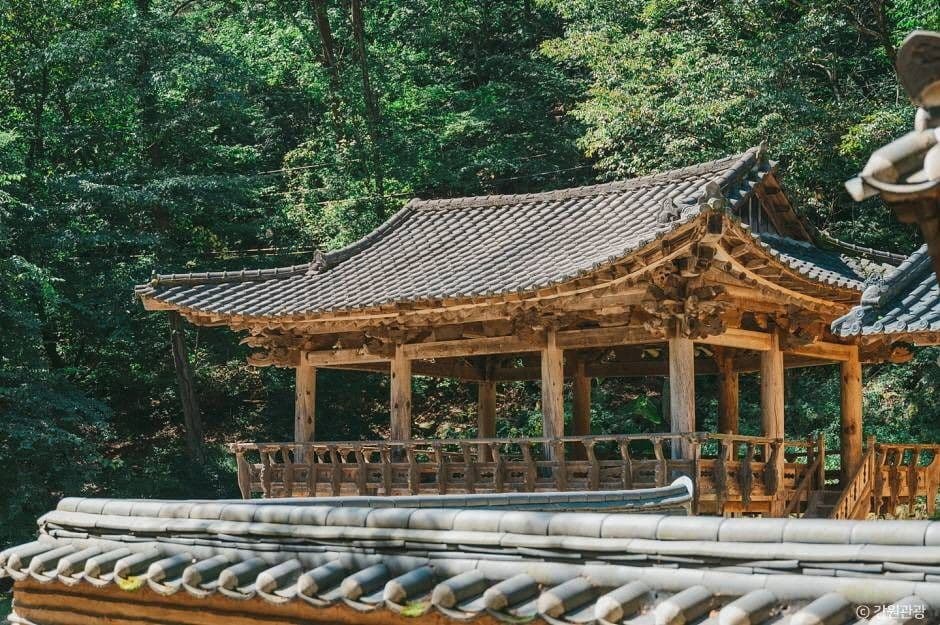
Set on Obongsan Mountain near Chuncheon, Cheongpyeongsa is a Buddhist temple with roots dating to 973. Its grounds include a Goryeo-era garden and pond, thoughtfully shaped to follow the natural terrain by the scholar Yi Ja-hyeon after he retired from office. Though war and time have claimed many relics, restored halls and surviving stonework preserve its thousand-year heritage.
Soyanggang Skywalk
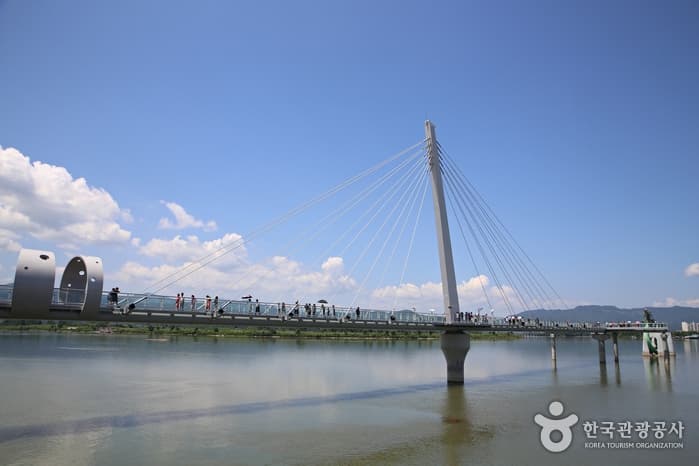
Stretching 174 meters over the Soyanggang River, this skywalk features a transparent glass floor for much of its length, letting visitors seem to walk above the water. A circular plaza and observatory at the far end offer sweeping views, particularly at sunset, while a leopard mandarin fish sculpture with a timed fountain adds a playful touch.
Day 6 — Sokcho
Travel on to Sokcho, visiting Seoraksan National Park (Outer Seorak), Sokcho Beach and Sinheungsa Temple.
Seoraksan National Park (Outer Seorak)
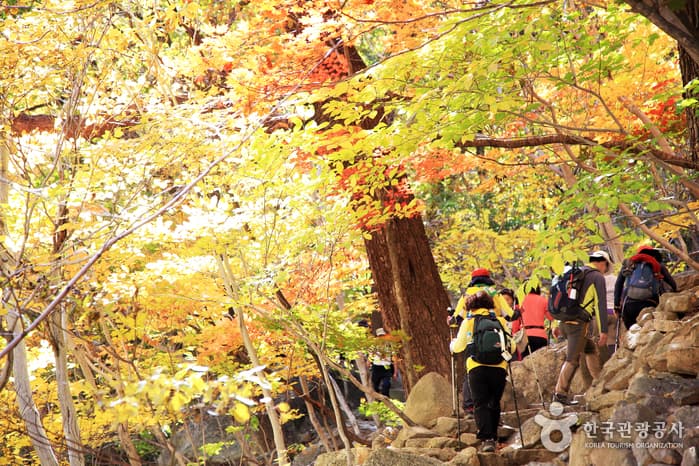
Korea's first UNESCO Biosphere Reserve, Seoraksan rises to Daecheongbong Peak at 1,708 meters, the country's third-highest summit. The Outer Seorak side draws hikers with its rugged trails and sweeping ridgelines, where sunrise and sunset views reward those who make the climb.
Sokcho Beach
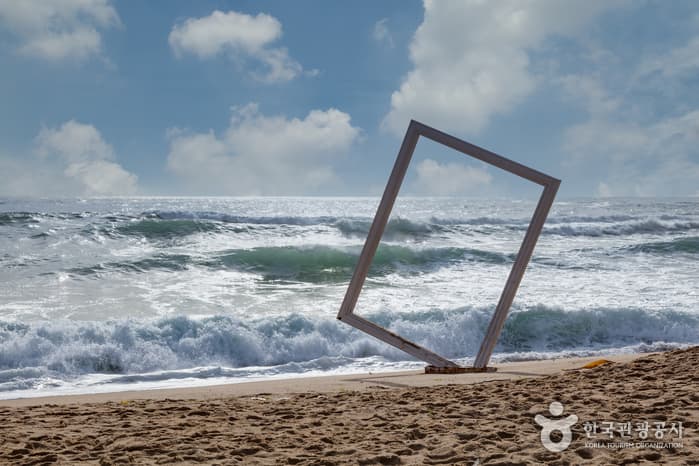
Open since 1976, Sokcho Beach sits within easy walking distance of the city center and bus terminal. Its clear, shallow waters and gentle slope make it a summer favourite, while a pine forest trail and year-round sculptures, including a compass and dolphin design, keep visitors coming beyond the peak season.
Sinheungsa Temple
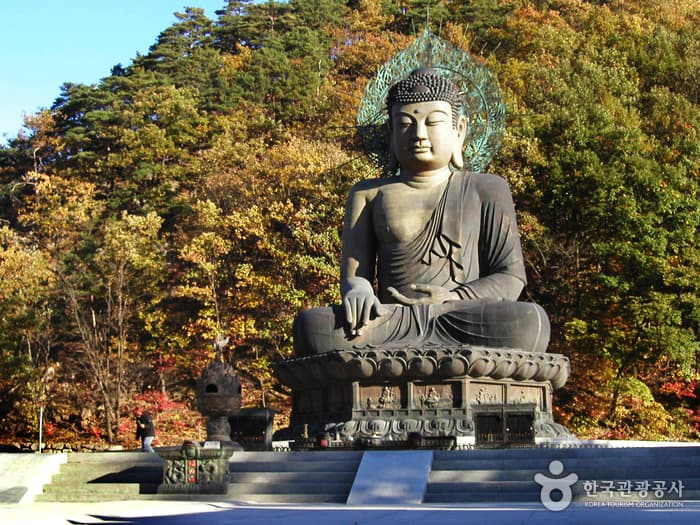
Set within Seoraksan Mountain near Sokcho, this Jogye Order temple traces its origins to 652 AD, when the monk Jajang founded it as Hyangseongsa. Its grounds hold notable heritage such as the Joseon-era Geungnakbojeon Hall and a three-story stone pagoda, and a templestay programme invites visitors to join Buddhist ceremonies, 108 prostrations, and lotus lantern making.
Day 7 — Andong
Head to Andong for the Hahoe Folk Village, then on to Gyeongju for Bulguksa Temple and Daereungwon Ancient Tombs. Today's stops include Andong Hahoe Village, Dosanseowon Confucian Academy, Woryeonggyo Bridge and Byeongsanseowon Confucian Academy.
Andong Hahoe Village
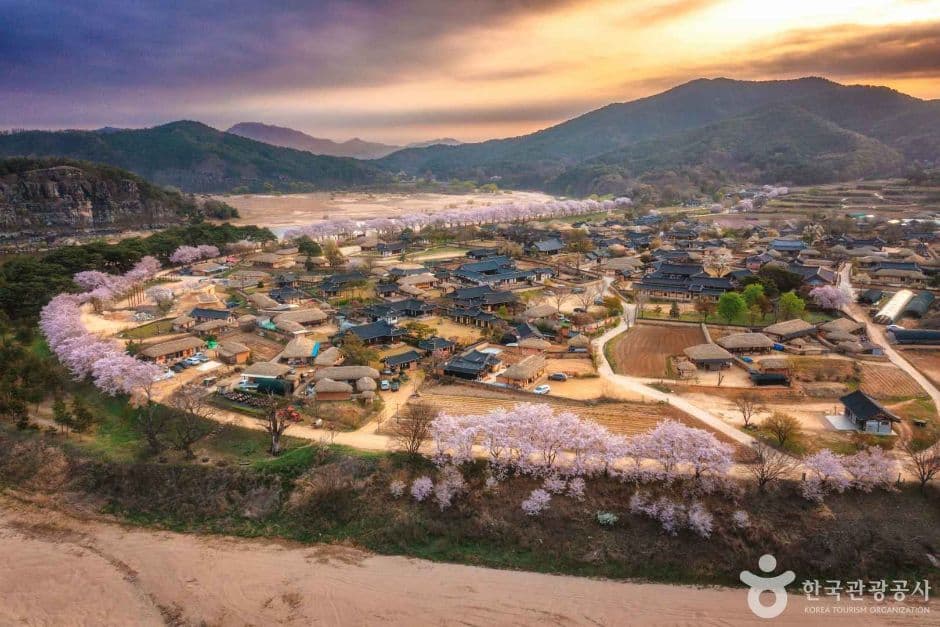
Cradled in a bend of the Nakdonggang River, this well-preserved clan village remains home to descendants of the Pungsan Ryu family. Its traditional houses, ancestral halls, and the celebrated Hahoe masks offer a living glimpse of Joseon-era village life. On select evenings, the dramatic Seonyu Julbul fireworks send embers cascading from the cliffs above the water.
Dosanseowon Confucian Academy
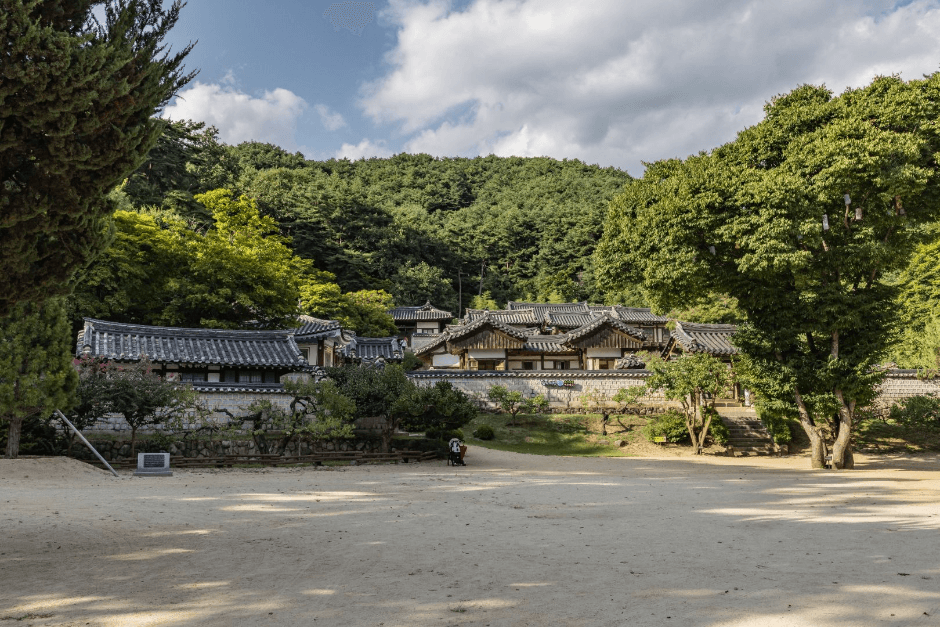
Founded in honor of the great Confucian scholar Toegye Yi Hwang, this academy pairs the lecture halls where he taught with the shrine his followers later built to preserve his teachings. The oldest structure, Dosanseodang, dates to 1561 and was designed by Yi Hwang himself. Set among quiet hills, the complex remains a touchstone of Korean scholarship and learning.
Woryeonggyo Bridge
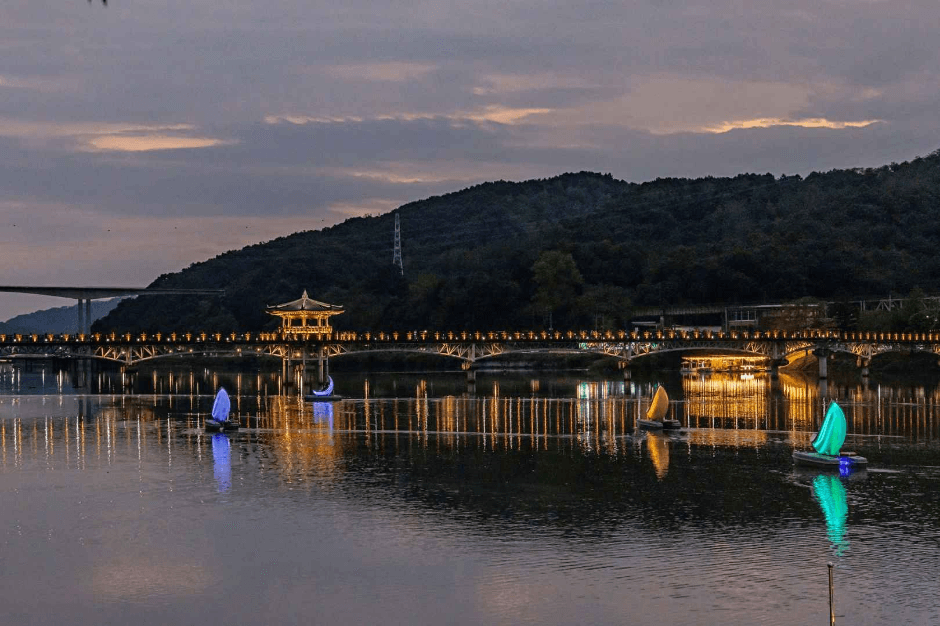
Korea's longest wooden footbridge stretches across the Nakdonggang River, its lantern-lit form especially lovely when the moon shimmers on the water. The bridge's shape recalls a pair of hemp shoes, a nod to a moving local legend of a widow's devotion to her late husband. Stroll across at dusk or drift beneath it on the lake's moon boat for the finest view.
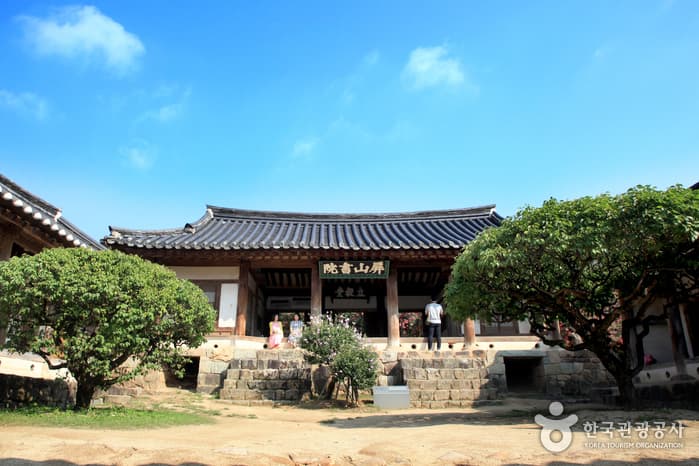
Byeongsanseowon Confucian Academy
Set beside the Nakdong River against a backdrop of folding hills, Byeongsanseowon began as a Goryeo-era school before scholar Yu Seong-nyong relocated it here in 1572. Renowned for its elegant Mandaeru Pavilion framing the river and cliffs, the academy embodies the refined ideals of Confucian learning. Its archive still preserves thousands of historic documents and books, including works by Yu himself.
Day 8 — Gyeongju
Travel on to Gyeongju, visiting Bulguksa Temple, Donggung Palace and Wolji Pond and Cheomseongdae Observatory.
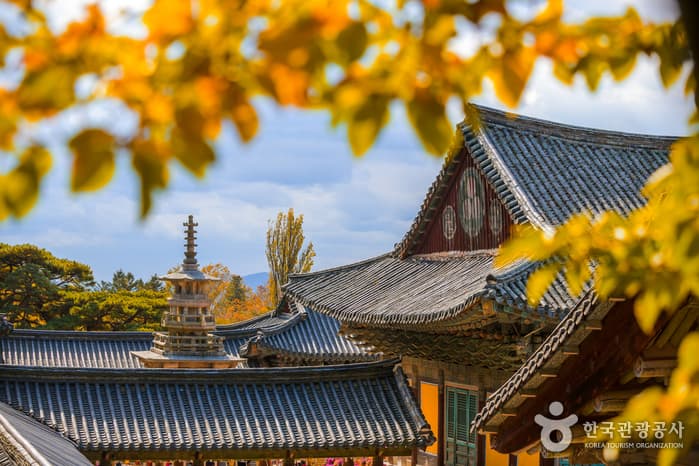
Bulguksa Temple
A UNESCO World Heritage masterpiece of Silla Buddhist architecture, crowned by two national-treasure stone pagodas, Dabotap and Seokgatap. Its terraced courtyards and painted halls represent the golden age of ancient Korean craftsmanship.
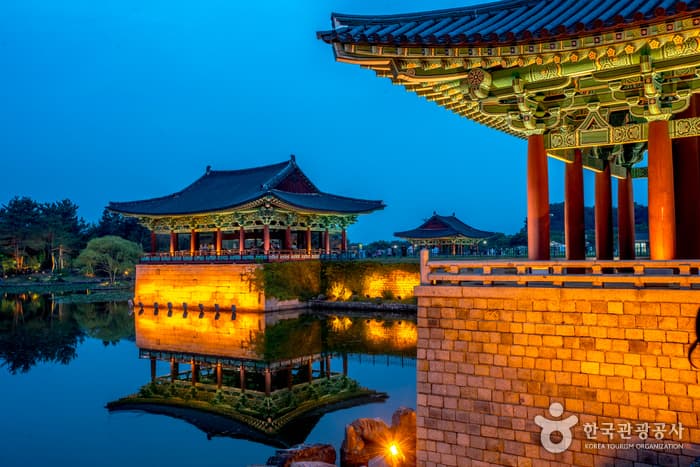
Donggung Palace and Wolji Pond
The banquet palace of the Silla kingdom, rebuilt beside a crescent pond that mirrors its pavilions. Visit after dark — the illuminated reflection on still water is Gyeongju's defining night view.
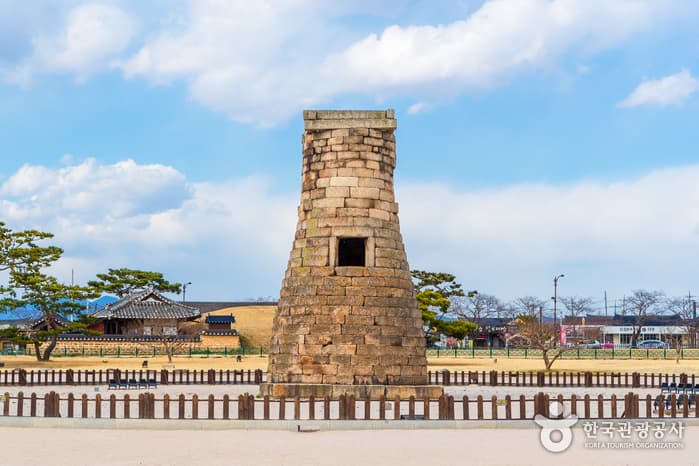
Cheomseongdae Observatory
Dating to the reign of Queen Seondeok in the 7th century, Cheomseongdae is one of the oldest surviving astronomical observatories in the world. Its bottle-shaped tower rises about nine metres from some 360 carefully stacked stones — a number long said to echo the days of the year — in 27 layers that nod to Silla's 27th ruler. A defining landmark of Gyeongju, it is framed by seasonal flowers and open fields that draw visitors year-round.
Day 9 — Gyeongju
A full day in Gyeongju, taking in Cheonmachong Tomb (Daereungwon Ancient Tombs) and Gyeongju National Museum.
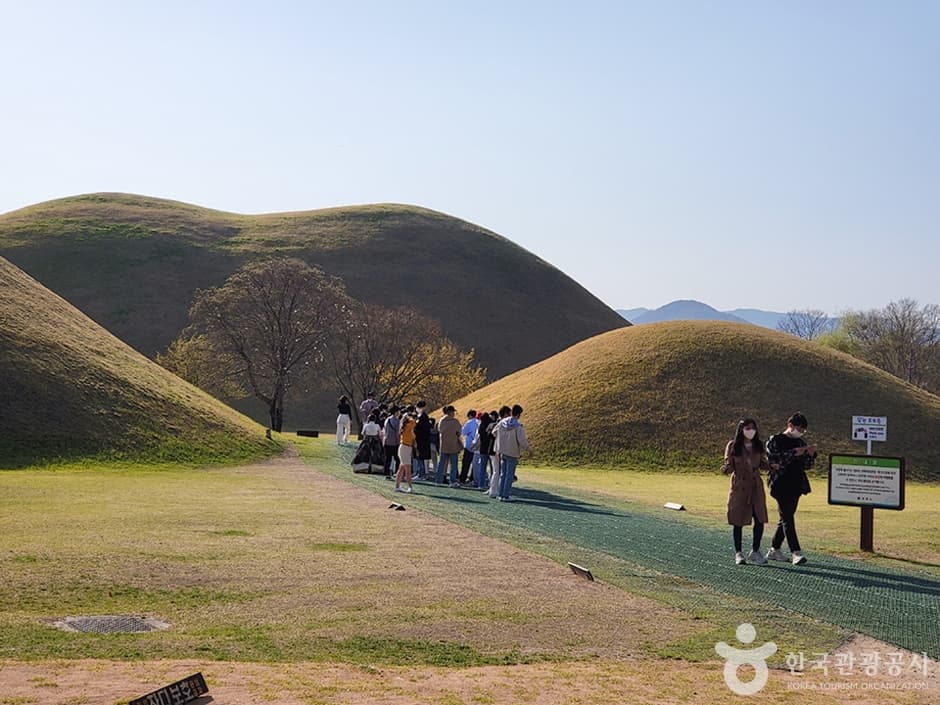
Cheonmachong Tomb (Daereungwon Ancient Tombs)
Set within Gyeongju's Daereungwon, a serene park of 23 Silla-era royal mounds, Cheonmachong is the only tomb open to visitors. Excavated in 1973, it revealed a remarkable gold crown and the Cheonmado, a saddle flap painted with a heavenly horse that gives the tomb its name. Walking trails wind past the grassy burial mounds, offering a quiet glimpse into ancient Korea.
Gyeongju National Museum
Set in the heart of Silla's ancient capital, this museum gathers artifacts spanning nearly a millennium of the dynasty's history. The renovated Silla Art Gallery and History Gallery offer an accessible introduction to the kingdom's craftsmanship, while family programmes at the Children's Museum School round out a visit.
Day 10 — Busan
In Busan, walk along Haeundae Beach, Jagalchi Market, and Haedong Yonggungsa Temple. Today's stops include Haeundae Beach, Haedong Yonggungsa Temple, Jagalchi Market and Busan Tower.
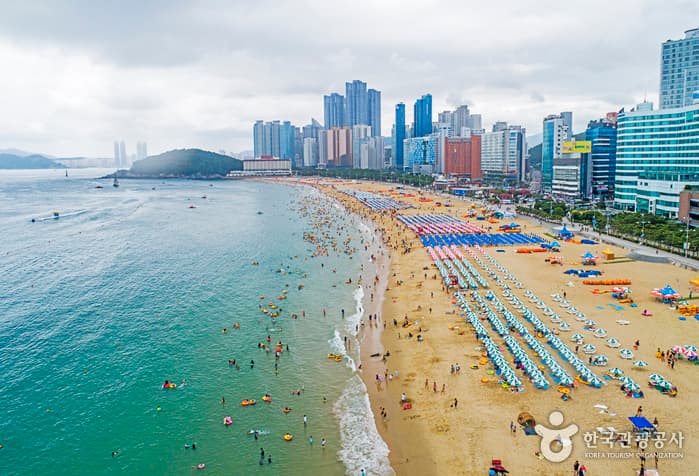
Haeundae Beach
Busan's signature beach — a 1.5-kilometre curve of white sand backed by hotels and the city skyline. Beyond high summer it is a place for a morning walk, a coastal train ride to Songjeong and sunset drinks along the promenade.
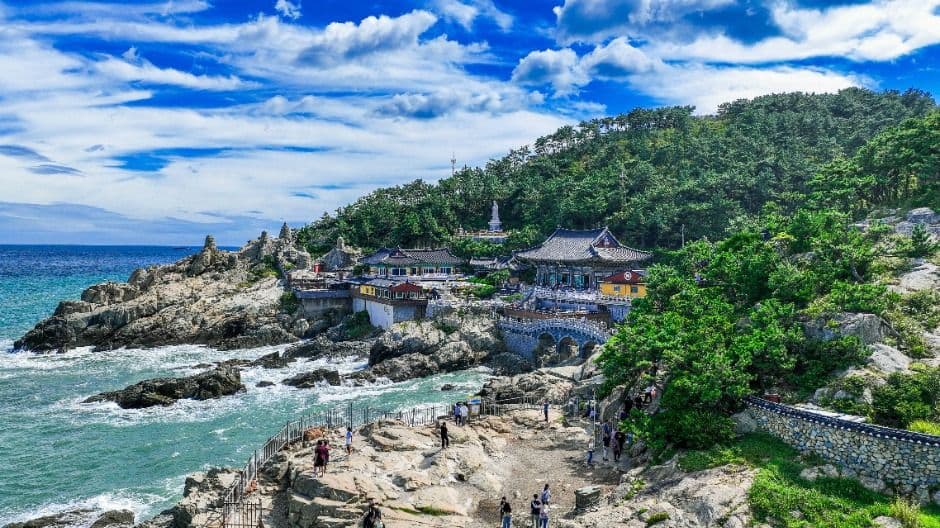
Haedong Yonggungsa Temple
One of Korea's rare seaside temples, set directly on the rocks of the northeast coast. Arrive early to hear chanting over the waves — the sunrise views from the stone bridge are among Busan's most memorable scenes.
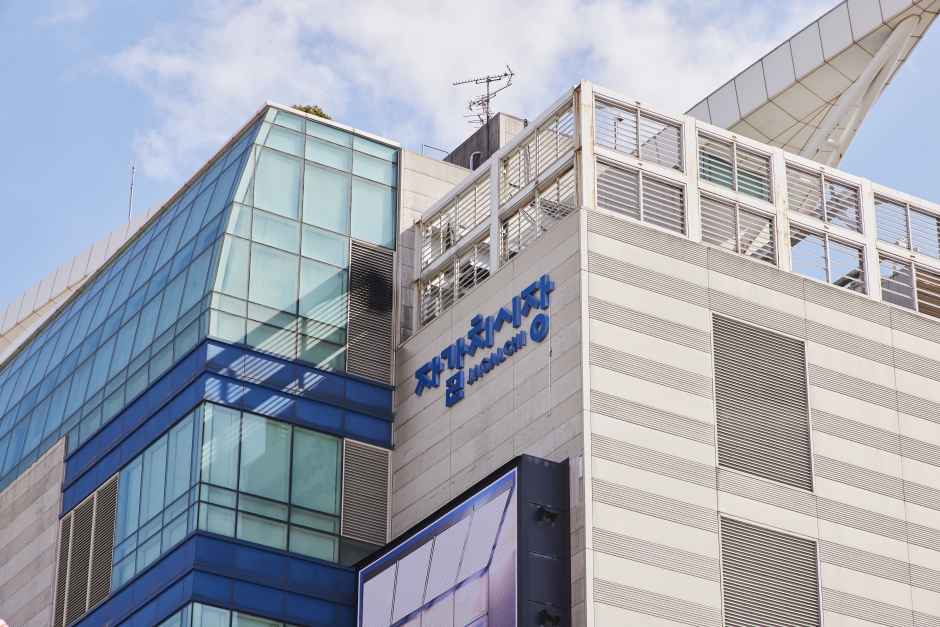
Jagalchi Market
Korea's largest seafood market, run for generations by the famously spirited "Jagalchi ajumma" fishmongers. Pick your catch downstairs and have it served minutes later in the upstairs restaurants overlooking the harbour.
Busan Tower
The 120-metre observation tower in Yongdusan Park above Nampo-dong, with views over the port, the bridges and Yeongdo Island. Best in the early evening, when the harbour lights come up and the tower's own light show begins.
Day 11 — Busan
A full day in Busan, taking in Songdo Cloud Walk, Dalmaji Road, Gamcheon Culture Village and BIFF Square.
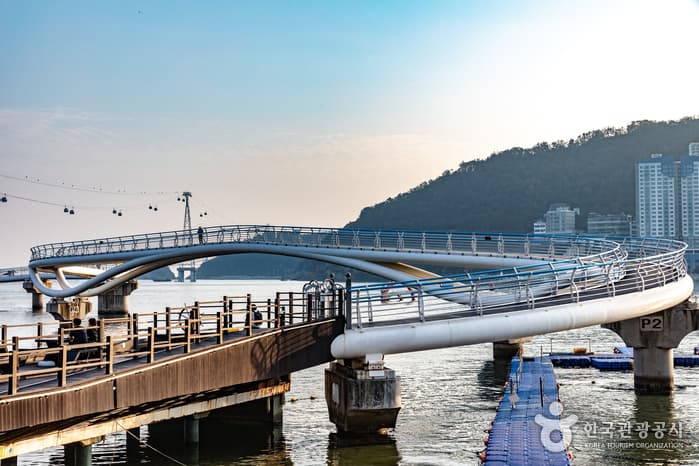
Songdo Cloud Walk
A curving skywalk that loops out over the water at the eastern end of Songdo Beach, with glass panels underfoot. It links to Geobukseom Island and makes a short, breezy stop on the way round Busan's western shore.
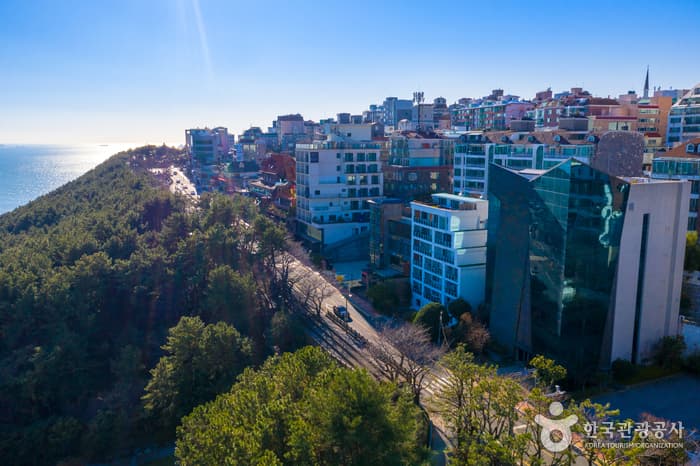
Dalmaji Road
The cherry- and pine-lined pass that climbs from Haeundae Beach towards Songjeong, dotted with cafés and galleries looking out to sea. Dalmaji means moon-viewing, and the hilltop is exactly where Busan goes to watch it rise.
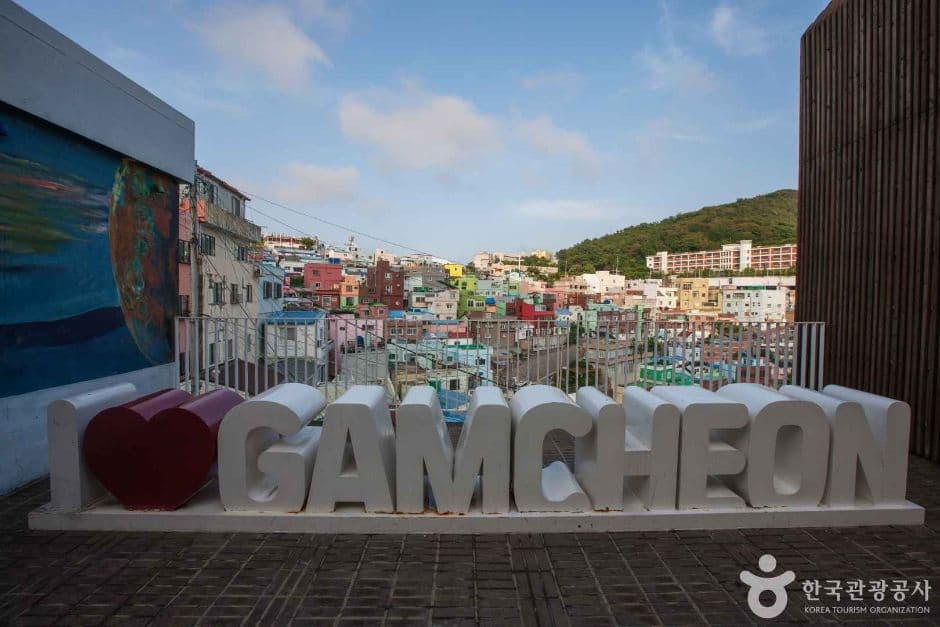
Gamcheon Culture Village
A hillside maze of pastel houses, murals, and art installations overlooking the sea — once a refugee settlement, now Busan's most photographed neighbourhood. Follow the fish-shaped trail markers to hidden viewpoints and craft studios.
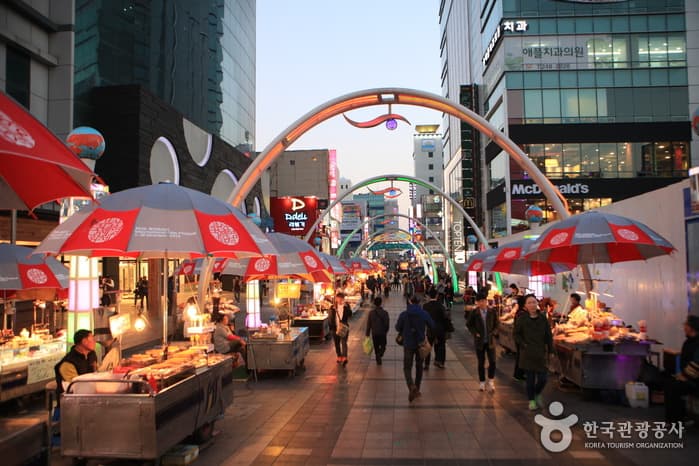
BIFF Square
The lively heart of Busan's film district, birthplace of the Busan International Film Festival. Handprints of film stars dot the pavement between street-food stalls famous for ssiat hotteok — seed-stuffed sweet pancakes.
Day 12 — Suncheon
Travel on to Suncheon, visiting Songgwangsa Temple, Naganeupseong Walled Town and Seonamsa Temple.
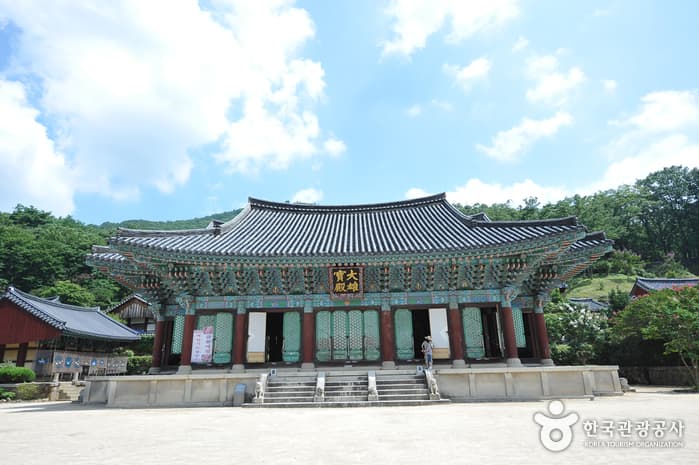
Songgwangsa Temple
Set on the western slopes of Jogyesan Mountain, Songgwangsa is counted among Korea's three great temples, alongside Haeinsa and Tongdosa. Founded in the Silla era, it holds four national treasures and more than eighty halls, and today offers a Buddhist museum, a monastic college, and templestay programmes.
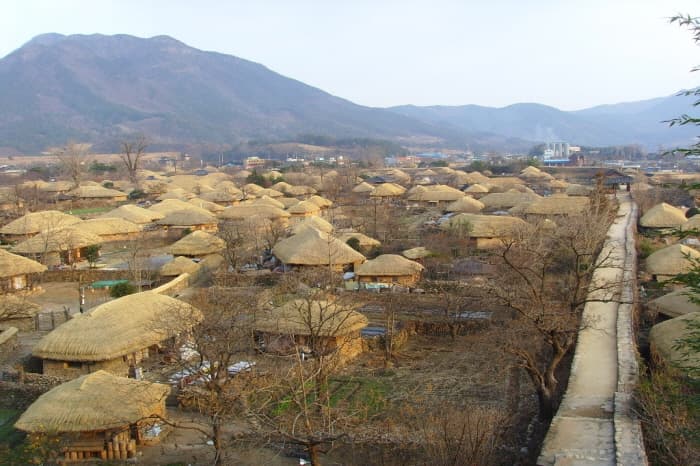
Naganeupseong Walled Town
This remarkably preserved fortress town in Jeollanam-do is encircled by 1,410 meters of stone ramparts that still stand around four meters high. Within the walls, clusters of thatched-roof houses and gently curved rooflines offer a living glimpse of Joseon-era daily life, making it one of Korea's finest folk heritage sites.
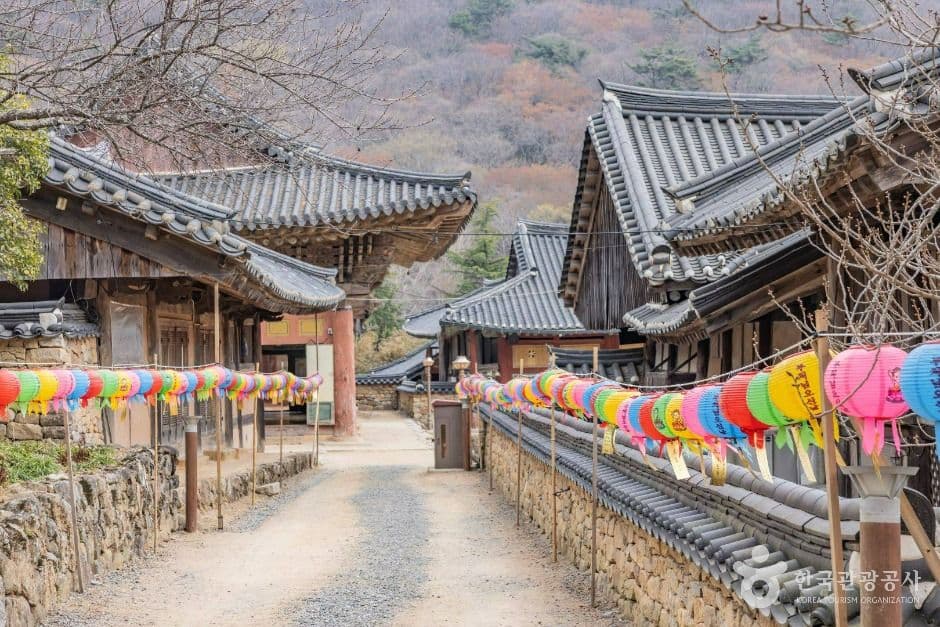
Seonamsa Temple
Reached by a kilometre-long path through a forest of centuries-old trees, Seonamsa rests at the eastern foot of Jogyesan Mountain. The arched Seungseongyo Bridge and a pair of three-story stone pagodas mark the approach to a temple that still preserves age-old ritual traditions. It is especially lovely in spring blossoms and autumn foliage.
Day 13 — Jeonju
Travel on to Jeonju, visiting Jeonju Hanok Village, Omokdae and Imokdae Historic Sites, Jaman Mural Village and Gyeonggijeon Shrine.
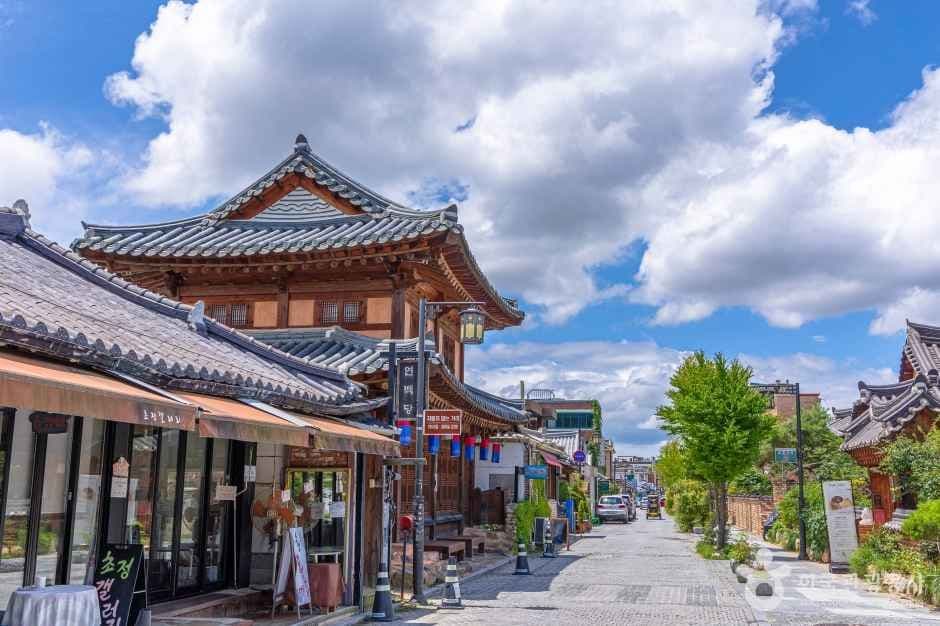
Jeonju Hanok Village
Korea's largest cluster of traditional hanok houses, this rare urban village gathers some 700 tiled-roof homes around Gyeonggijeon Shrine and Jeonjuhyanggyo. Visitors can stay overnight in a hanok or step into the Hanok Life Experience Hall to see how these homes were lived in.
Omokdae and Imokdae Historic Sites
Set on a hillside overlooking Jeonju, Omokdae marks the spot where Yi Seong-gye paused to celebrate victory before he became King Taejo. Across the way, Imokdae recalls his ancestors, with memorial stones bearing calligraphy by Emperor Gojong.
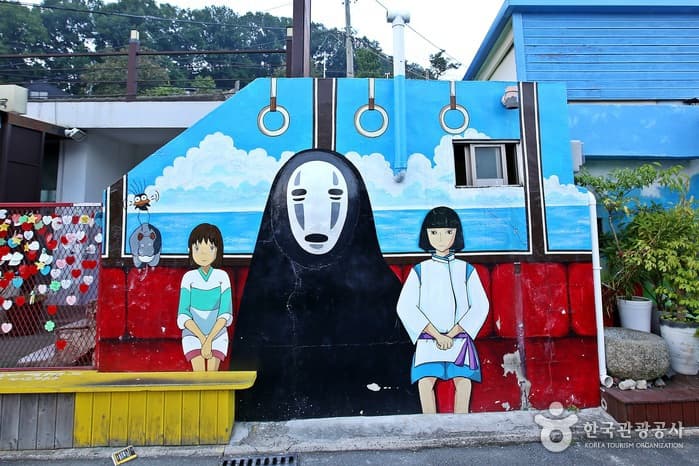
Jaman Mural Village
On the hillside just across from the Hanok Village, this small neighbourhood was settled by Korean War refugees along a maze of narrow lanes. Since 2012 more than 40 murals have brightened its walls, and many old houses now hold cafes, guesthouses, and restaurants.
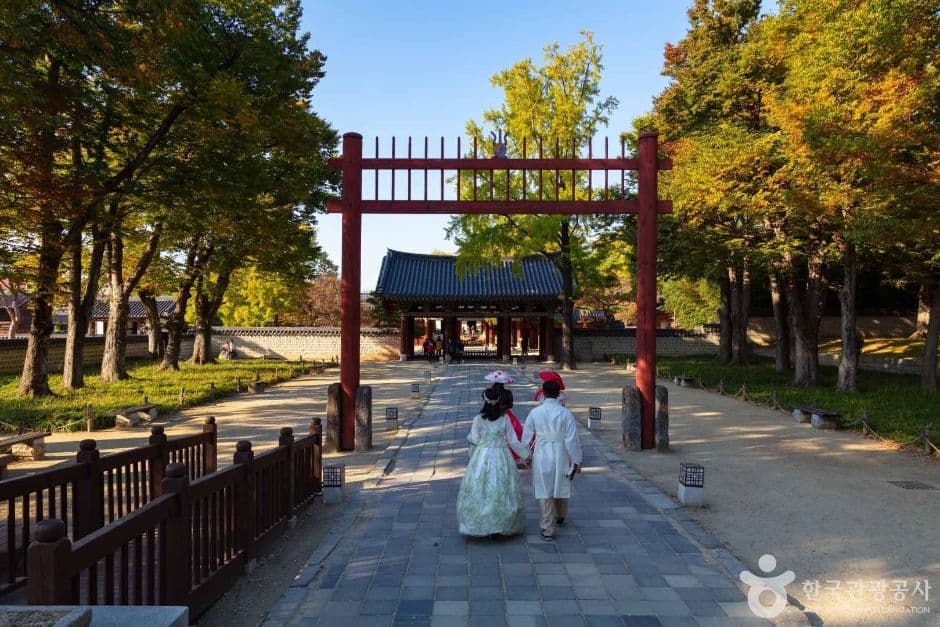
Gyeonggijeon Shrine
Founded in 1410, this historic shrine safeguards the portrait of King Taejo, founder of the Joseon dynasty. Its main hall, stone walls, and bamboo grove form a serene pocket of old Korea within the city, and its cinematic setting has made it a favourite backdrop for period dramas.
Day 14 — Daejeon
Travel on to Daejeon, visiting Hanbat Arboretum, Jangtaesan Recreational Forest and Daecheongho Lake.
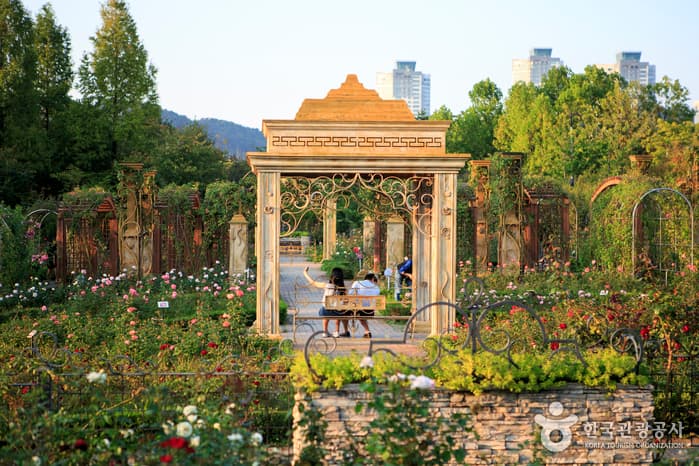
Hanbat Arboretum
Korea's largest man-made urban arboretum, Hanbat spans some 387,000 square meters beside the Government Complex-Daejeon. Divided into West and East gardens, it features 19 themed spaces such as the Magnolia Garden, Medicinal Herbs Garden, and Rock Garden, offering both a place to learn and to unwind.
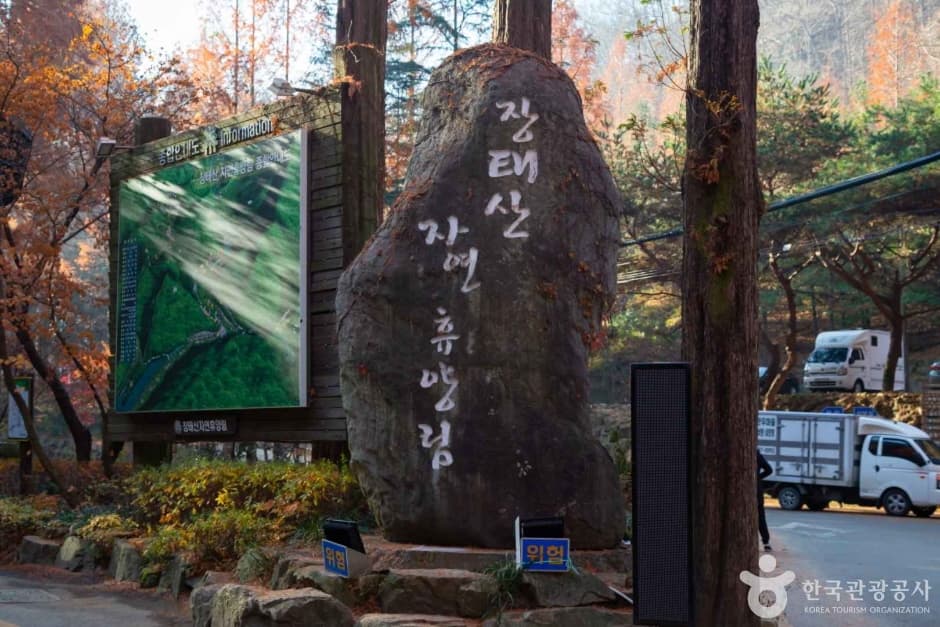
Jangtaesan Recreational Forest
A dense woodland of towering bald cypress and ginkgo trees, Jangtaesan is a refreshing retreat especially prized in the summer months. Walking trails, a botanical garden, and barefoot paths wind through the greenery, while Yongtaeul Reservoir greets visitors at the entrance.
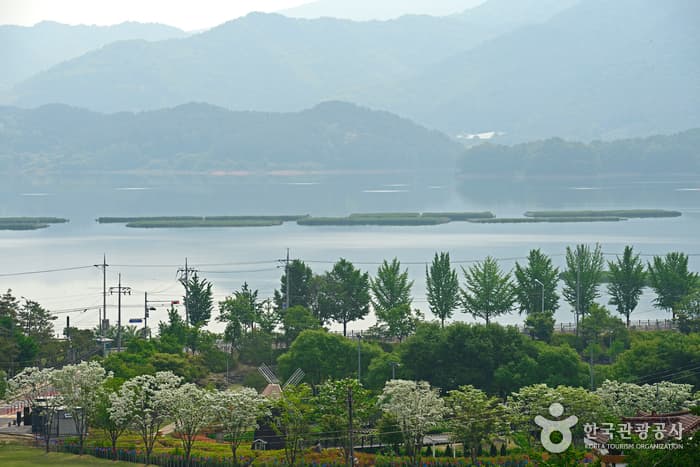
Daecheongho Lake
Completed in 1980, this vast man-made lake supplies water to Daejeon and Cheongju and ranks as Korea's third largest. Its 80-kilometre shoreline is celebrated for scenic drives along tree-lined roads, and the upper reaches draw herons and migratory birds through the summer.
Day 15 — Seoul
Travel on to Seoul.
Day 16 — Seoul
A full day to explore Seoul at your own pace.
Day 17 — Seoul
Free time in Seoul until your transfer to Incheon International Airport for the flight home.
Along the Way
Signature places in the cities on this route — swipe through each stop.
Seoul
Changdeokgung Palace
Joseon's most intact palace, built in 1405 and laid out to follow the slope of the hill rather than a grid. Behind the throne halls lies the Secret Garden, where pavilions and lotus ponds sit among old trees — a UNESCO site best seen on the guided garden walk.
Deoksugung Stone Wall Path
A gently curving lane along the stone wall of Deoksugung Palace, lined with ginkgo trees that turn gold in autumn. Cafés, small museums and the old Jeong-dong legation quarter make it Seoul's favourite slow walk, by day or under the lamps at night.
Naksan Park
A low hill on Seoul's old city wall with one of the easiest skyline views in the capital. Follow the restored fortress wall past the Ihwa mural village at dusk, when the lights come on across Dongdaemun and Namsan.
N Seoul Tower
The observation tower on Namsan that anchors the Seoul skyline, reached by cable car or a wooded walk. The deck gives a 360-degree view of the city; the padlock terraces and the evening light show are the crowd-pleasers.
COEX Aquarium
A large city-centre aquarium beneath the COEX complex in Gangnam, with sixteen themed zones and a walk-through shark tunnel. An easy half-day for families, and a rainy-day fallback that sits beside the Starfield Library and the shopping mall.
Bukchon Hanok Village
A hillside neighbourhood of hundreds of traditional hanok houses tucked between Gyeongbokgung and Changdeokgung palaces. Its narrow lanes are still lived in today, which gives every alley view of tiled roofs and the city skyline an authentic, everyday charm.
Lotte World
Korea's best-known theme park, with an indoor adventure hall under a glass dome and the outdoor Magic Island on Seokchon Lake. Rides, parades and an ice rink make it a reliable full day for families in any weather.
Insadong Cultural Street
Seoul's traditional arts district, where antique dealers, calligraphy brush shops, galleries, and tea houses line a single walkable street. It is the easiest place in the city to browse Korean crafts and pick up a meaningful souvenir.
Gwangjang Market
Korea's first permanent market, trading for over a century and now famous for its street food alley — mung-bean pancakes sizzling on griddles, mayak gimbap, and raw beef tartare eaten shoulder-to-shoulder with locals.
Dongdaemun Design Plaza
Zaha Hadid's silver, curving landmark anchors Seoul's 24-hour fashion district. Design exhibitions, night markets, and the LED rose garden make it the city's signature stop for contemporary architecture lovers.
Gyeongbokgung Palace
The grandest of Seoul's five royal palaces, built in 1395 as the seat of the Joseon dynasty. Watch the royal guard changing ceremony at Gwanghwamun Gate, then wander past throne halls and lotus-pond pavilions with Bugaksan Mountain rising behind the rooflines.
Bukchon Cultural Center
A restored hanok that serves as the gateway to Bukchon, offering exhibitions and hands-on programmes on traditional Korean living. A good first stop to understand the village before exploring its lanes.
Chuncheon
Nami Island
A half-moon-shaped isle on the Bukhangang River, Nami Island is known for its tree-lined lanes and shifting seasonal colors, made famous as a Korean drama filming location. Beyond its scenery, visitors can explore museums, picture-book playgrounds, and cultural events, or simply cycle and stroll among the metasequoia paths. Themed dining and the on-site Hotel Jeonggwanru make it an easy day trip or overnight escape.
Cheongpyeongsa Temple
Set on Obongsan Mountain near Chuncheon, Cheongpyeongsa is a Buddhist temple with roots dating to 973. Its grounds include a Goryeo-era garden and pond, thoughtfully shaped to follow the natural terrain by the scholar Yi Ja-hyeon after he retired from office. Though war and time have claimed many relics, restored halls and surviving stonework preserve its thousand-year heritage.
Soyanggang Skywalk
Stretching 174 meters over the Soyanggang River, this skywalk features a transparent glass floor for much of its length, letting visitors seem to walk above the water. A circular plaza and observatory at the far end offer sweeping views, particularly at sunset, while a leopard mandarin fish sculpture with a timed fountain adds a playful touch.
Sokcho
Seoraksan National Park (Outer Seorak)
Korea's first UNESCO Biosphere Reserve, Seoraksan rises to Daecheongbong Peak at 1,708 meters, the country's third-highest summit. The Outer Seorak side draws hikers with its rugged trails and sweeping ridgelines, where sunrise and sunset views reward those who make the climb.
Sokcho Beach
Open since 1976, Sokcho Beach sits within easy walking distance of the city center and bus terminal. Its clear, shallow waters and gentle slope make it a summer favourite, while a pine forest trail and year-round sculptures, including a compass and dolphin design, keep visitors coming beyond the peak season.
Sinheungsa Temple
Set within Seoraksan Mountain near Sokcho, this Jogye Order temple traces its origins to 652 AD, when the monk Jajang founded it as Hyangseongsa. Its grounds hold notable heritage such as the Joseon-era Geungnakbojeon Hall and a three-story stone pagoda, and a templestay programme invites visitors to join Buddhist ceremonies, 108 prostrations, and lotus lantern making.
Andong
Andong Hahoe Village
Cradled in a bend of the Nakdonggang River, this well-preserved clan village remains home to descendants of the Pungsan Ryu family. Its traditional houses, ancestral halls, and the celebrated Hahoe masks offer a living glimpse of Joseon-era village life. On select evenings, the dramatic Seonyu Julbul fireworks send embers cascading from the cliffs above the water.
Dosanseowon Confucian Academy
Founded in honor of the great Confucian scholar Toegye Yi Hwang, this academy pairs the lecture halls where he taught with the shrine his followers later built to preserve his teachings. The oldest structure, Dosanseodang, dates to 1561 and was designed by Yi Hwang himself. Set among quiet hills, the complex remains a touchstone of Korean scholarship and learning.
Woryeonggyo Bridge
Korea's longest wooden footbridge stretches across the Nakdonggang River, its lantern-lit form especially lovely when the moon shimmers on the water. The bridge's shape recalls a pair of hemp shoes, a nod to a moving local legend of a widow's devotion to her late husband. Stroll across at dusk or drift beneath it on the lake's moon boat for the finest view.
Byeongsanseowon Confucian Academy
Set beside the Nakdong River against a backdrop of folding hills, Byeongsanseowon began as a Goryeo-era school before scholar Yu Seong-nyong relocated it here in 1572. Renowned for its elegant Mandaeru Pavilion framing the river and cliffs, the academy embodies the refined ideals of Confucian learning. Its archive still preserves thousands of historic documents and books, including works by Yu himself.
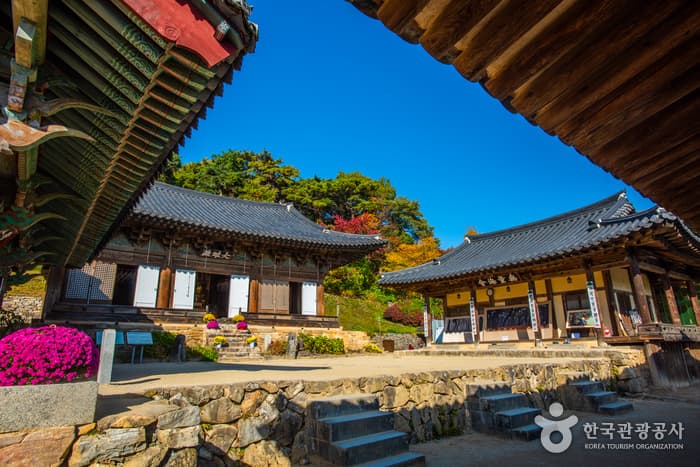
Bongjeongsa Temple
Nestled on the slopes of Cheondeungsan Mountain near Andong, Bongjeongsa dates back to the 7th century and is linked to the revered monk Uisang. Its Geungnakjeon Hall is recognized as the oldest surviving wooden building in Korea, a discovery confirmed during 1972 restoration work. The temple offers a rare glimpse into early Korean architecture and quiet mountain seclusion.
Gyeongju
Bulguksa Temple
A UNESCO World Heritage masterpiece of Silla Buddhist architecture, crowned by two national-treasure stone pagodas, Dabotap and Seokgatap. Its terraced courtyards and painted halls represent the golden age of ancient Korean craftsmanship.
Donggung Palace and Wolji Pond
The banquet palace of the Silla kingdom, rebuilt beside a crescent pond that mirrors its pavilions. Visit after dark — the illuminated reflection on still water is Gyeongju's defining night view.
Cheomseongdae Observatory
Dating to the reign of Queen Seondeok in the 7th century, Cheomseongdae is one of the oldest surviving astronomical observatories in the world. Its bottle-shaped tower rises about nine metres from some 360 carefully stacked stones — a number long said to echo the days of the year — in 27 layers that nod to Silla's 27th ruler. A defining landmark of Gyeongju, it is framed by seasonal flowers and open fields that draw visitors year-round.
Cheonmachong Tomb (Daereungwon Ancient Tombs)
Set within Gyeongju's Daereungwon, a serene park of 23 Silla-era royal mounds, Cheonmachong is the only tomb open to visitors. Excavated in 1973, it revealed a remarkable gold crown and the Cheonmado, a saddle flap painted with a heavenly horse that gives the tomb its name. Walking trails wind past the grassy burial mounds, offering a quiet glimpse into ancient Korea.
Busan
Busan Tower
The 120-metre observation tower in Yongdusan Park above Nampo-dong, with views over the port, the bridges and Yeongdo Island. Best in the early evening, when the harbour lights come up and the tower's own light show begins.
Songdo Cloud Walk
A curving skywalk that loops out over the water at the eastern end of Songdo Beach, with glass panels underfoot. It links to Geobukseom Island and makes a short, breezy stop on the way round Busan's western shore.
Dalmaji Road
The cherry- and pine-lined pass that climbs from Haeundae Beach towards Songjeong, dotted with cafés and galleries looking out to sea. Dalmaji means moon-viewing, and the hilltop is exactly where Busan goes to watch it rise.
Haeundae Beach
Busan's signature beach — a 1.5-kilometre curve of white sand backed by hotels and the city skyline. Beyond high summer it is a place for a morning walk, a coastal train ride to Songjeong and sunset drinks along the promenade.
Gamcheon Culture Village
A hillside maze of pastel houses, murals, and art installations overlooking the sea — once a refugee settlement, now Busan's most photographed neighbourhood. Follow the fish-shaped trail markers to hidden viewpoints and craft studios.
BIFF Square
The lively heart of Busan's film district, birthplace of the Busan International Film Festival. Handprints of film stars dot the pavement between street-food stalls famous for ssiat hotteok — seed-stuffed sweet pancakes.
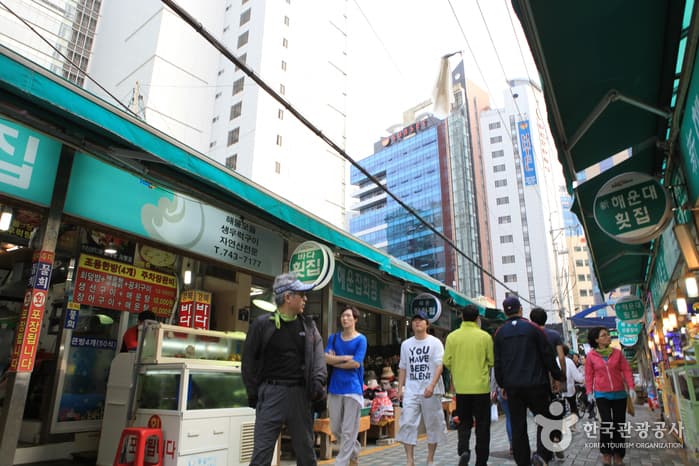
Haeundae Market
A compact traditional market one block from Haeundae Beach, beloved for grilled eel, fish cakes, and winter street snacks. The perfect detour between beach walks for a taste of everyday Busan.
Haedong Yonggungsa Temple
One of Korea's rare seaside temples, set directly on the rocks of the northeast coast. Arrive early to hear chanting over the waves — the sunrise views from the stone bridge are among Busan's most memorable scenes.
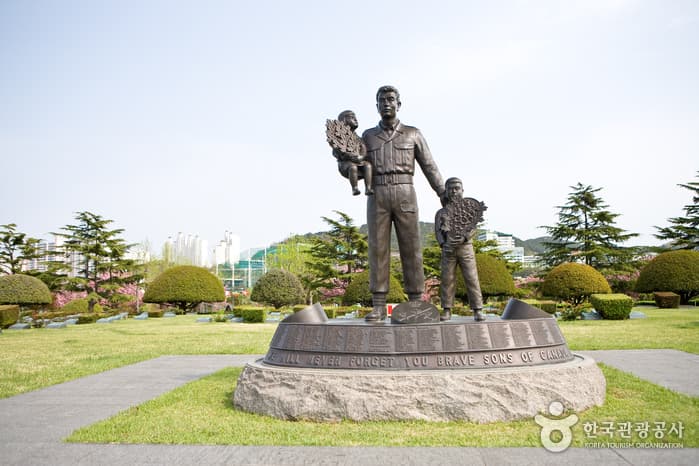
UN Memorial Cemetery
The only United Nations cemetery in the world, honouring the UN forces of 22 nations, with soldiers from 11 countries laid to rest here after the Korean War. Its quiet lawns and memorial halls offer a moving counterpoint to Busan's beach energy.
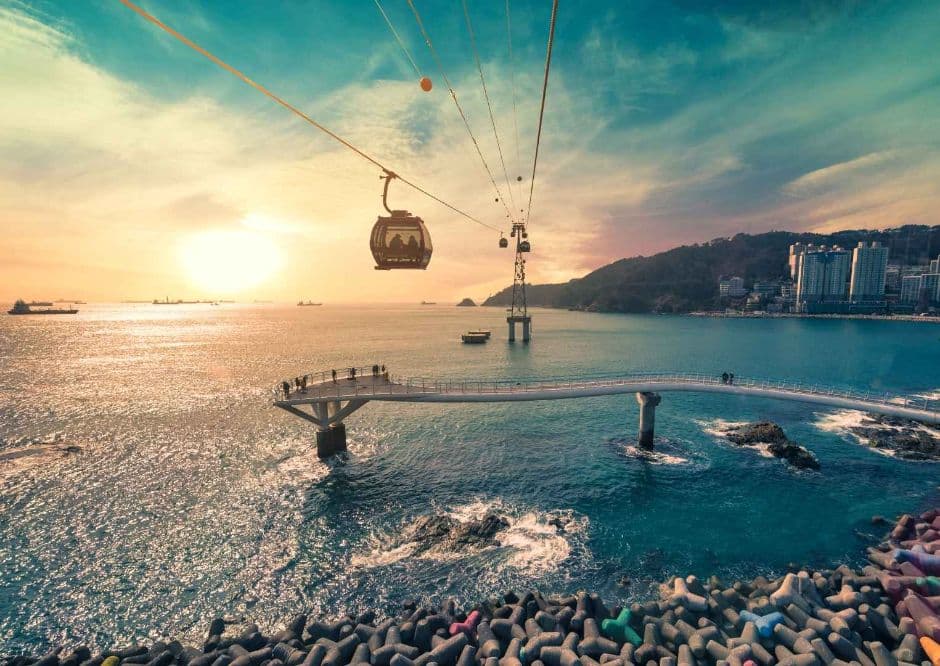
Busan Air Cruise
A 1.62-kilometre cable car gliding 86 meters above the sea at Songdo Beach, with crystal-floor cabins for the brave. The ride links the beach to Amnam Park's coastal cliffs and walking trails.
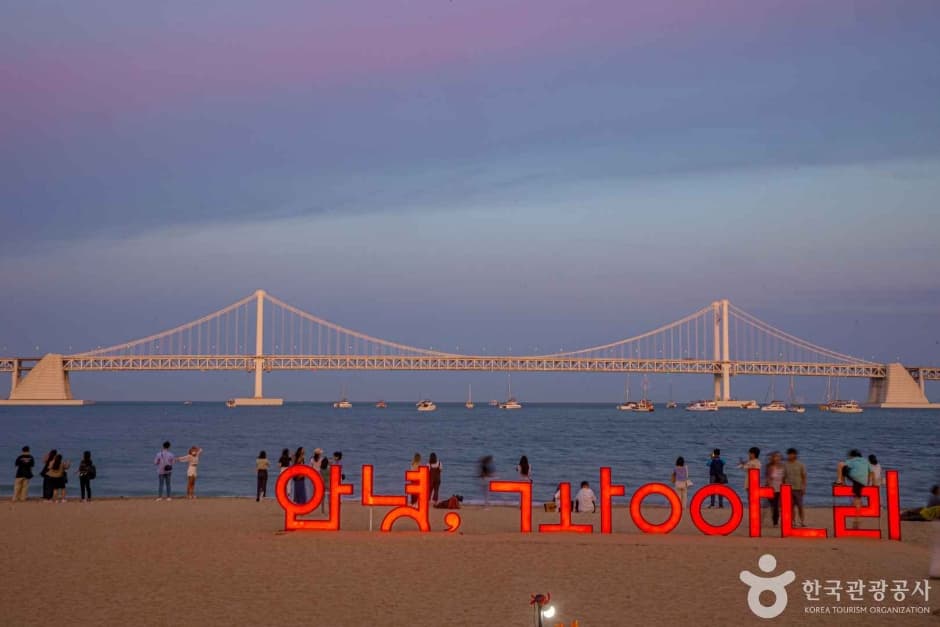
Gwangalli Beach
A 1.4-kilometre crescent of sand facing the lit-up span of Gwangan Bridge — Busan's favourite evening spot. Cafés and seafood restaurants line the shore, and weekend drone shows light up the night sky over the water.
Jagalchi Market
Korea's largest seafood market, run for generations by the famously spirited "Jagalchi ajumma" fishmongers. Pick your catch downstairs and have it served minutes later in the upstairs restaurants overlooking the harbour.
Suncheon
Songgwangsa Temple
Set on the western slopes of Jogyesan Mountain, Songgwangsa is counted among Korea's three great temples, alongside Haeinsa and Tongdosa. Founded in the Silla era, it holds four national treasures and more than eighty halls, and today offers a Buddhist museum, a monastic college, and templestay programmes.
Naganeupseong Walled Town
This remarkably preserved fortress town in Jeollanam-do is encircled by 1,410 meters of stone ramparts that still stand around four meters high. Within the walls, clusters of thatched-roof houses and gently curved rooflines offer a living glimpse of Joseon-era daily life, making it one of Korea's finest folk heritage sites.
Seonamsa Temple
Reached by a kilometre-long path through a forest of centuries-old trees, Seonamsa rests at the eastern foot of Jogyesan Mountain. The arched Seungseongyo Bridge and a pair of three-story stone pagodas mark the approach to a temple that still preserves age-old ritual traditions. It is especially lovely in spring blossoms and autumn foliage.
Jeonju
Jeonju Hanok Village
Korea's largest cluster of traditional hanok houses, this rare urban village gathers some 700 tiled-roof homes around Gyeonggijeon Shrine and Jeonjuhyanggyo. Visitors can stay overnight in a hanok or step into the Hanok Life Experience Hall to see how these homes were lived in.
Jaman Mural Village
On the hillside just across from the Hanok Village, this small neighbourhood was settled by Korean War refugees along a maze of narrow lanes. Since 2012 more than 40 murals have brightened its walls, and many old houses now hold cafes, guesthouses, and restaurants.
Gyeonggijeon Shrine
Founded in 1410, this historic shrine safeguards the portrait of King Taejo, founder of the Joseon dynasty. Its main hall, stone walls, and bamboo grove form a serene pocket of old Korea within the city, and its cinematic setting has made it a favourite backdrop for period dramas.
Daejeon
Hanbat Arboretum
Korea's largest man-made urban arboretum, Hanbat spans some 387,000 square meters beside the Government Complex-Daejeon. Divided into West and East gardens, it features 19 themed spaces such as the Magnolia Garden, Medicinal Herbs Garden, and Rock Garden, offering both a place to learn and to unwind.
Jangtaesan Recreational Forest
A dense woodland of towering bald cypress and ginkgo trees, Jangtaesan is a refreshing retreat especially prized in the summer months. Walking trails, a botanical garden, and barefoot paths wind through the greenery, while Yongtaeul Reservoir greets visitors at the entrance.
Daecheongho Lake
Completed in 1980, this vast man-made lake supplies water to Daejeon and Cheongju and ranks as Korea's third largest. Its 80-kilometre shoreline is celebrated for scenic drives along tree-lined roads, and the upper reaches draw herons and migratory birds through the summer.