• Curious Korea

    #C539, 5th Floor, GLITE Bldg, 88 Cheonhoyet-gil,
    Gangdong-gu, Seoul, 05379

  • Phone

    +82 10-9952-2313

  • E-mail

    info@curiouskorea.com

15 Themes — No. 05 · FOOD

EAT WITH THE SEASONS

Korean cooking is organised by season before anything else — what the mountains give in spring, what the coast gives in winter, what gets salted and stored for later. Markets, home kitchens, temple tables and restaurants that still cook to the calendar.

EAT WITH THE SEASONS

The experiences

13 ways into this theme

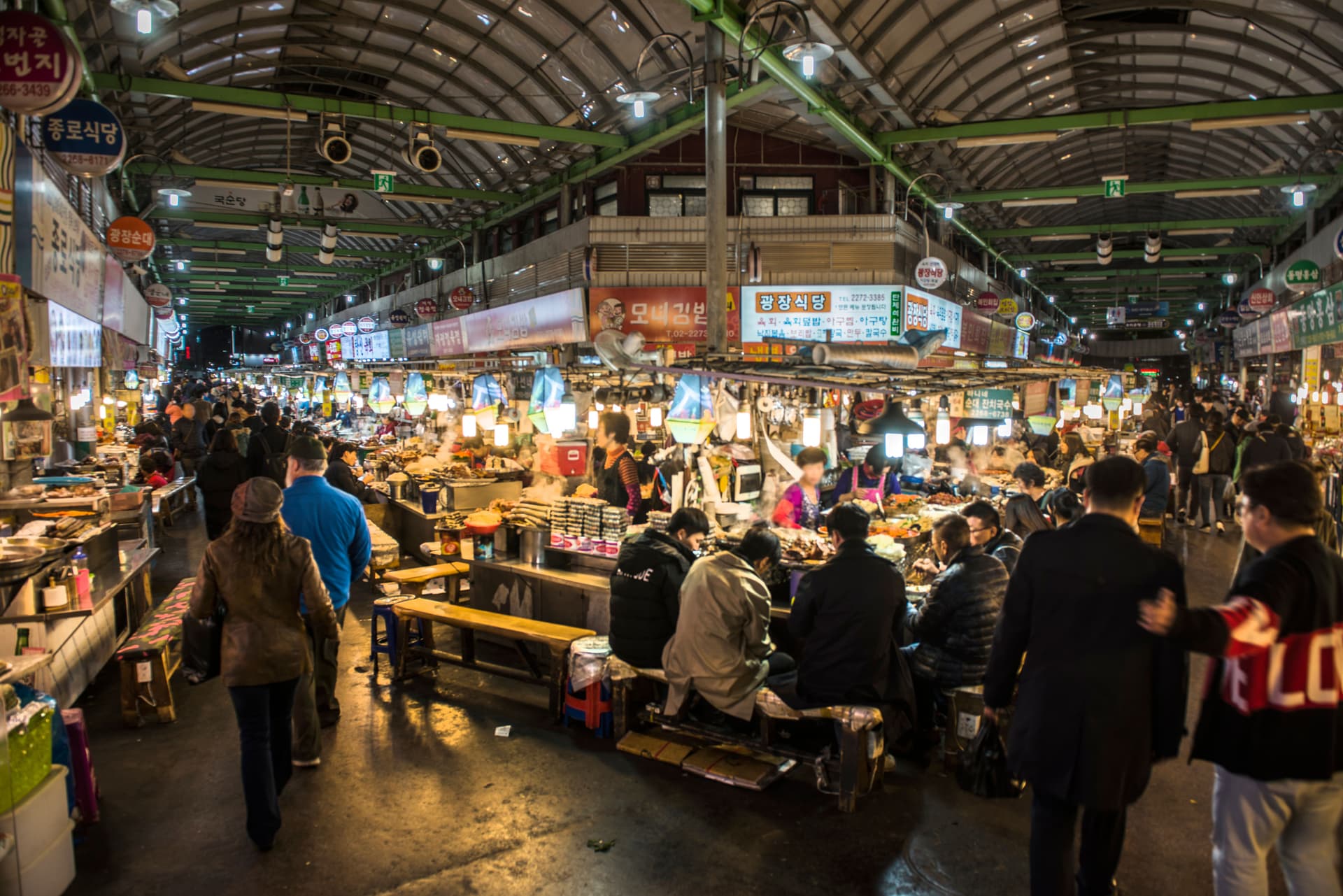
Gwangjang Market Grazing Walk

Seoul · Jongno

Gwangjang Market Grazing Walk

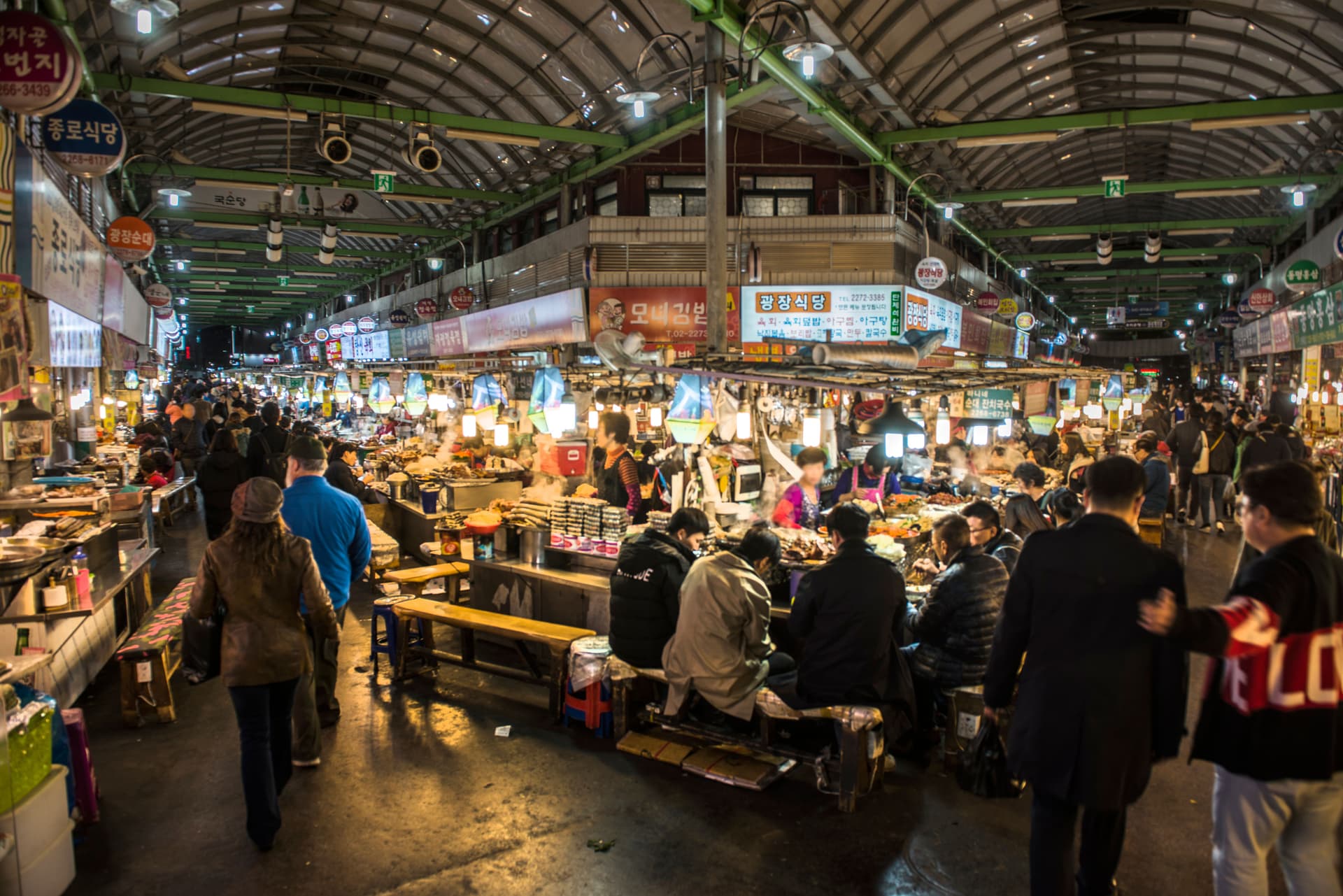
Eat your way down Gwangjang Market's food aisles — mung-bean pancakes off the griddle, mayak gimbap, raw beef tartare for the brave — standing shoulder to shoulder with the lunch crowd.

A century-old market that still feeds working Seoul daily; the stalls follow the seasons because their customers cook by them.

All year1-2hEasy going
Who it suitsThe essential first taste of Korea — noisy, cheap and unforgettable.
LanguageStall grandmothers speak menu-English; guide fills the gaps
Season & hoursMost stalls rest on the first and third Sundays
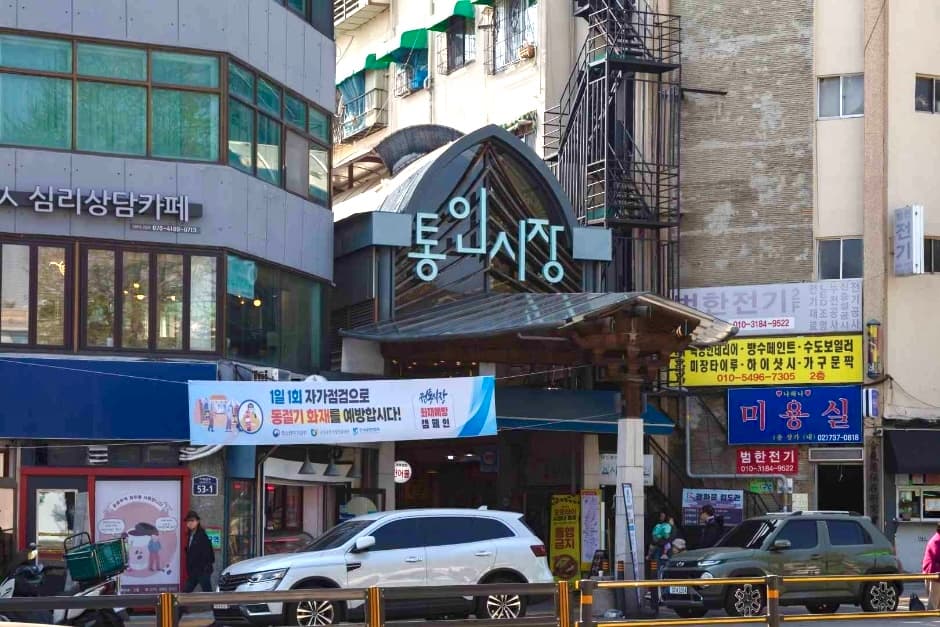
Tongin Market Coin Lunchbox

Seoul · Seochon

Tongin Market Coin Lunchbox

Trade won for brass yeopjeon coins at Tongin Market and build your own lunchbox stall by stall — a scoop of this, a skewer of that — then eat it in the market's communal hall.

The coin system revived a neighbourhood market by turning lunch into a game; you sample a dozen home-style dishes without ordering one full plate.

All year1-2hEasy going
Who it suitsThe most fun lunch in Seoul for groups and children.
Season & hoursLunchbox café closed Mondays; go before 2pm
Temple Food at Balwoo Gongyang

Seoul · Jongno

Temple Food at Balwoo Gongyang

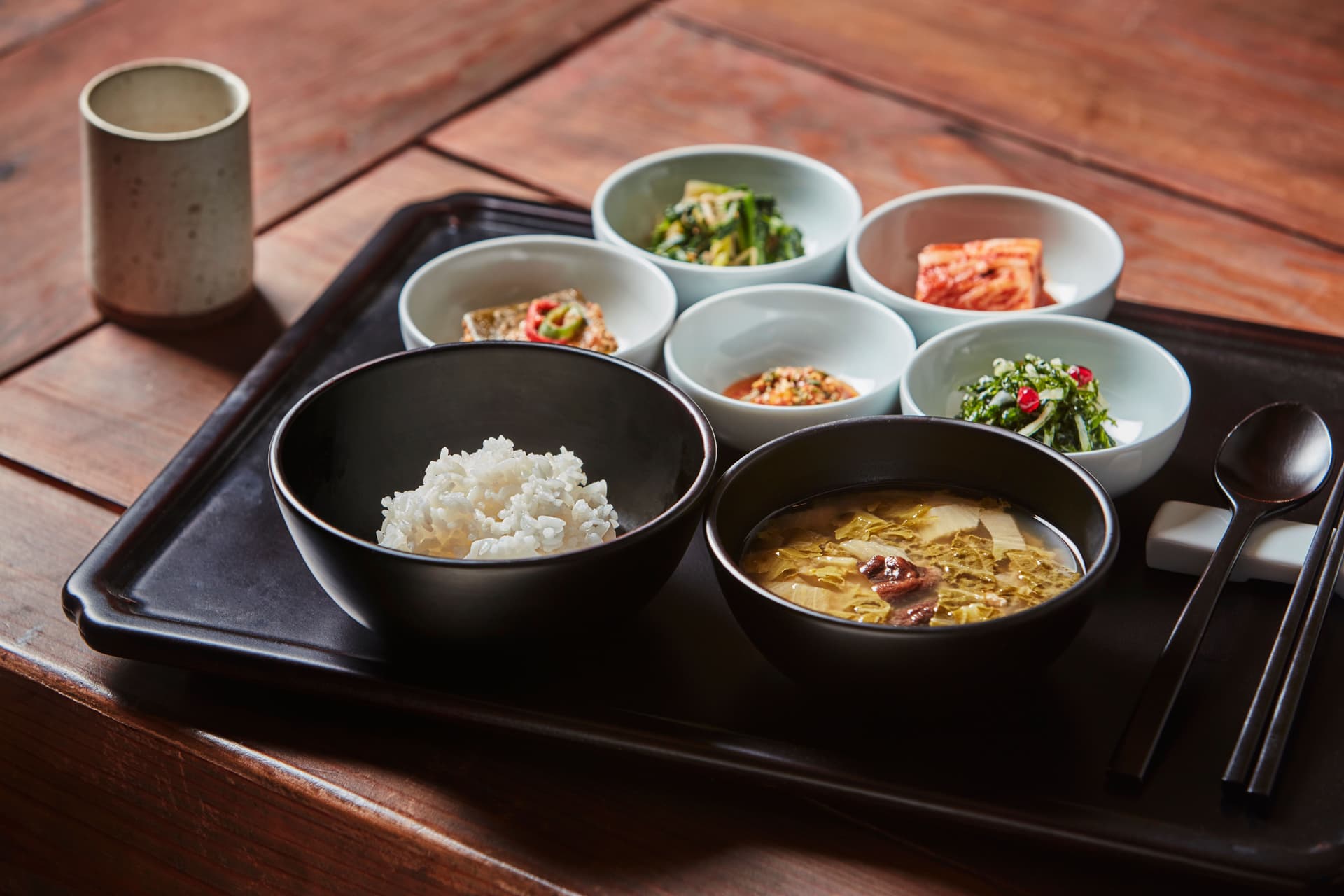
Sit down to a full temple-cuisine course at Balwoo Gongyang, the Jogye Order's own restaurant — vegetable cooking built on fermentation and restraint, each course explained.

Temple food is Korean seasonality at its strictest — no garlic, no onion, nothing out of season — and it earned this kitchen a Michelin star without a gram of meat.

All year2hEasy going
Who it suitsThe meal that reframes Korean food entirely — vegetarians finally get the best table.
LanguageMenu and staff handle English well
BookingAdvance booking essential
Kimchi-Making at Museum Kimchikan

Seoul · Insadong

Kimchi-Making at Museum Kimchikan

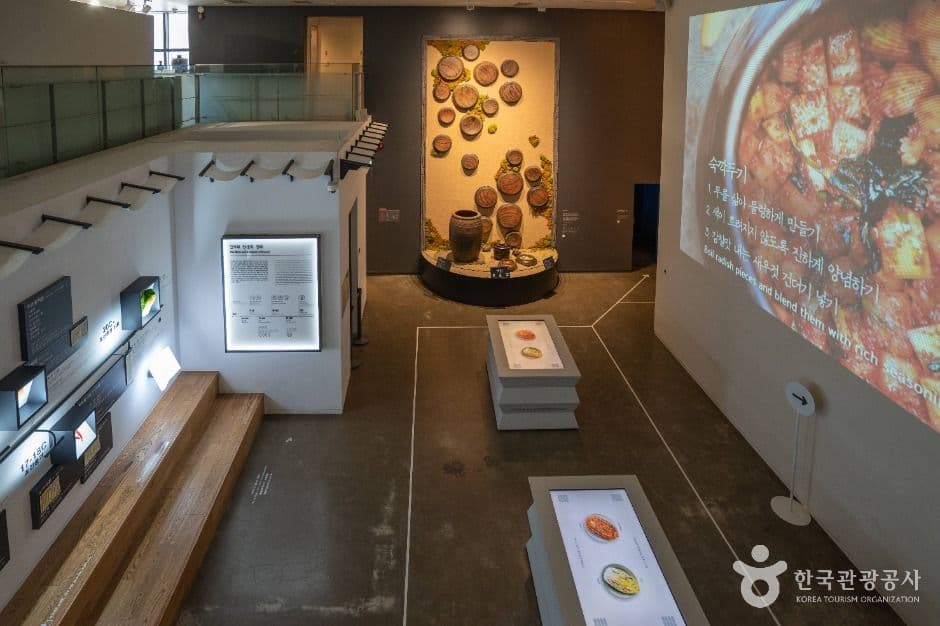
Make kimchi with your own hands at Museum Kimchikan in Insadong — salt, rub, taste and pack a jar to take away, with the museum's story of Korea's fermentation culture around you.

Kimjang, the communal winter kimchi-making, is UNESCO intangible heritage; this is the accessible version of the ritual every Korean family still runs.

All year1-2hEasy going
Who it suitsHands-on, mess included — the souvenir is edible and genuinely yours.
LanguageClasses run for international visitors
BookingAdvance booking required
Season & hoursClosed Mondays
Summer in Every Bite

Seongju

Summer in Every Bite

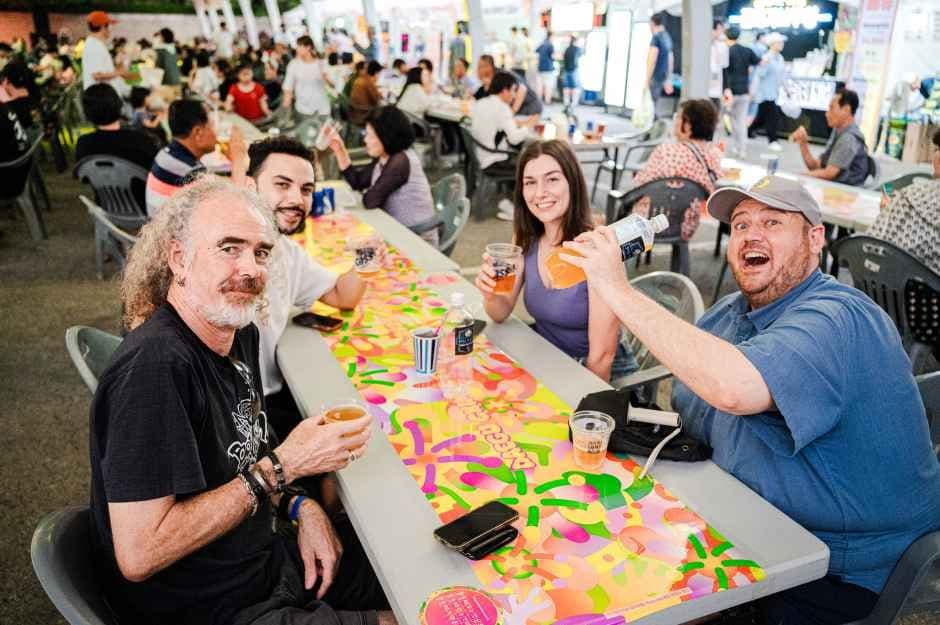
A taste-map of the Korean summer: chamoe melon desserts in Seongju, chimaek season at Daegu's beer festival, cold milmyeon by the sea in Busan, squid mulhoe in Jeju, and a winery tour among Yeongdong's grapes.

Hot and humid, yes — but Korean summer has flavours and festivals that exist in no other season, best eaten one region at a time.

SummerovernightDemanding
Who it suitsChamoe exists only in Korea, and Seongju's old walled village and Seongbaksup forest are genuine hidden gems; milmyeon and mulhoe are regional dishes worth the trip — and the winery adds an experience most visitors never expect.
LanguageInterpreter needed
BookingThe Yellong from 2 people; winery guided tour from 10; wine foot-bath any group size; CEO package from 30 — the rest are walk-in food stops
Season & hoursDaegu Chimac Festival is summer-only; Wine Korea grape picking runs in August only; The Yellong closed Oct–Mar (gardening and ice cream year-round)
Autumn at Its Finest

Incheon · Sorae Pogu

Autumn at Its Finest

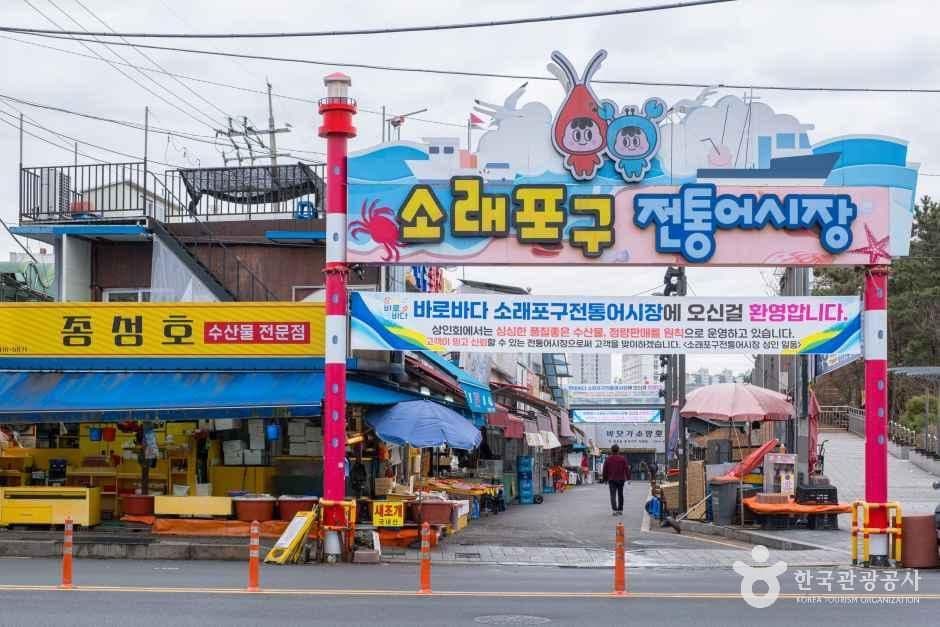
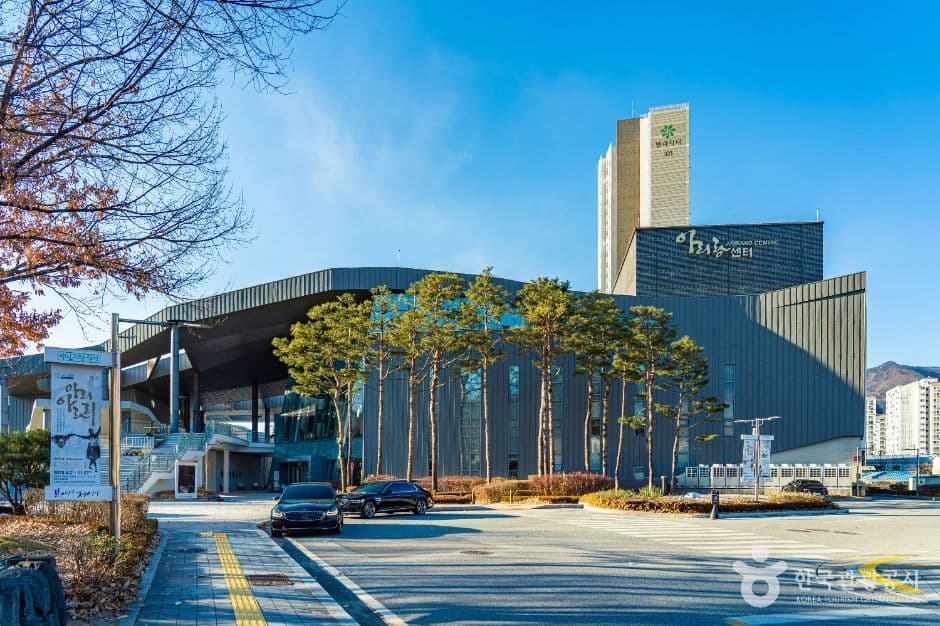
Meet the boats at Sorae Pogu as they land autumn prawns and blue crab, buy straight off the deck and eat like a local at the market — then follow the season inland to Gongju, where chestnut cafés and autumn colour surround the old fortress.

Fat prawns and crab on the west coast, sun-ripened chestnuts in Gongju — the season at its most generous, in two different landscapes.

Autumn1-2hModerate
Who it suitsSorae is where locals still shop — unlike Jagalchi's tourist crowds — with ginkgo lanes, pink muhly and reed marshes nearby; Gongju is slow-city Baekje culture, all within a short taxi ride.
LanguageGuide needed at Sorae (for the history, and to avoid tourist pricing); Gongju is manageable alone
BookingNo reservations; time Sorae to the boats' arrival
Season & hoursSorae runs to the boat schedule — other seafood takes over outside autumn; no boats, no market; Gongju closed days follow its museums; Incheon works as a day trip, and Gongju pairs with Buyeo for 1–2 nights
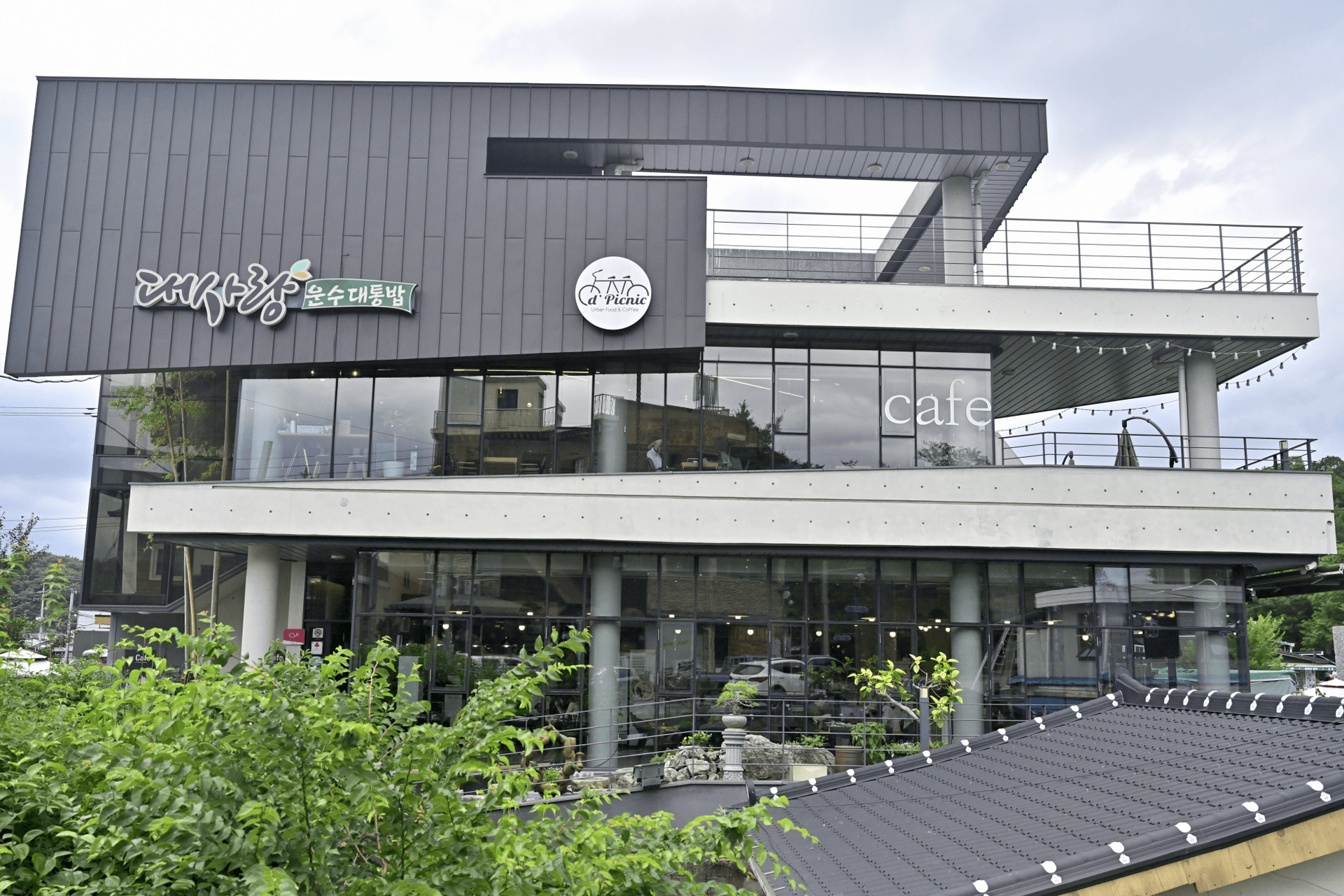
Rice Steamed in Bamboo, in the Town of Bamboo

Damyang

Rice Steamed in Bamboo, in the Town of Bamboo

In Damyang, where Korea's bamboo grows thickest, eat daetongbap — rice, grains, chestnut, jujube and pine nuts steamed inside a bamboo tube — set alongside tteok-galbi and bamboo-shoot dishes.

The town's symbol becomes the cooking vessel: local food culture and healthy grains in one dish, from forest to table.

Spring · Summer1-2hEasy going
Who it suitsOne meal that carries Damyang's whole landscape — the bamboo forest continued onto the table.
LanguageInterpreter needed
BookingReservable — up to 150 seats; groups, weekends and holidays by phone
Season & hoursDaily 11:00–21:00 (LO 20:00); spring and summer especially recommended
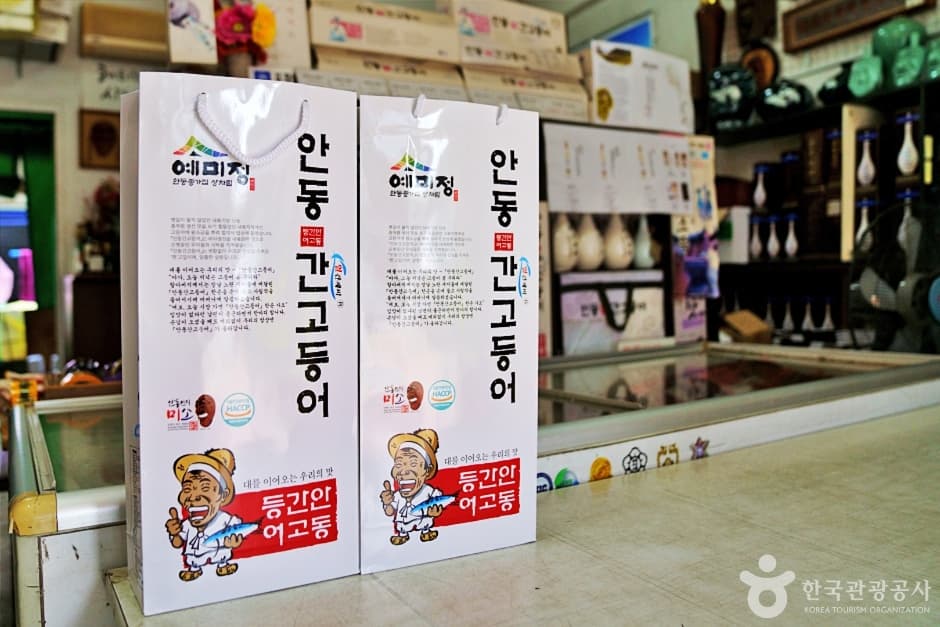
Salted Mackerel, Far from the Sea

Andong

Salted Mackerel, Far from the Sea

Eat Andong's famous gan-godeungeo — mackerel salted for the long mountain road from the coast, grilled to order in its home town.

Before refrigeration, salt, sun and wind cured the fish on its journey inland; the taste carries the old road between the sea and Andong.

Autumn1-2hEasy going
Who it suitsA meal that teaches geography — the route, the preservation wisdom and the food culture of inland Korea in one grilled fish.
LanguageTablet ordering in multiple languages; the history needs an interpreter
BookingGroups welcome; app reservation available — confirm phone booking
Season & hoursDaily 8:00–20:30 (LO 20:00); autumn especially recommended
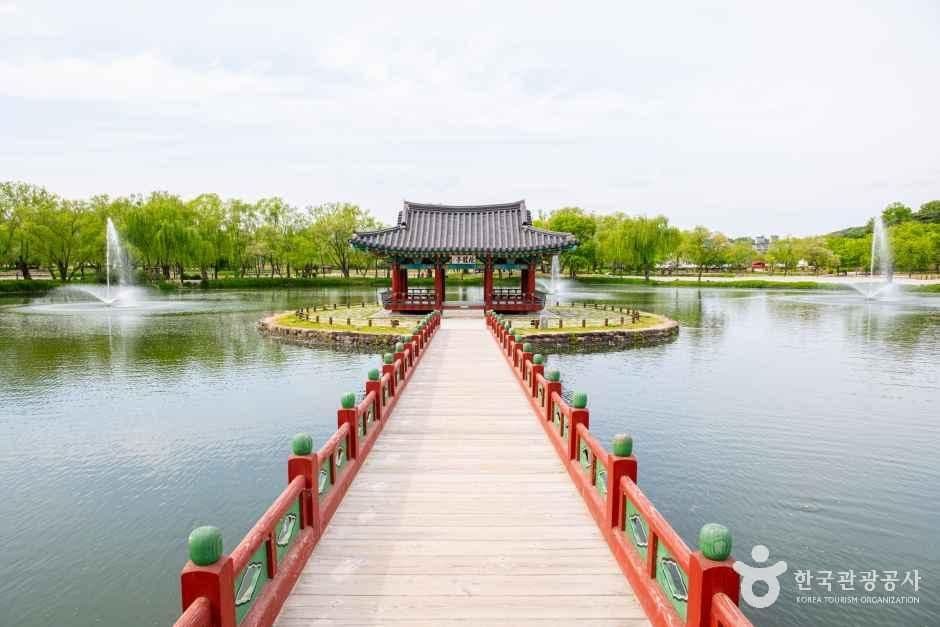
Lotus Blossoms, Then Lotus-Leaf Rice

Buyeo · Gungnamji

Lotus Blossoms, Then Lotus-Leaf Rice

Walk Gungnamji pond in the old Baekje capital of Buyeo while the lotus is in bloom, then sit down to yeonnipbap — rice steamed in the very leaves you have been admiring.

The scenery becomes the meal: Buyeo's history and its ponds, experienced through a single fragrant dish.

Spring · Summer · Autumnhalf dayEasy going
Who it suitsHistory, landscape and local taste in one easy half day in the old Baekje capital.
LanguageInterpreter needed
BookingConfirm restaurant reservations ahead
Season & hoursGungnamji open year-round, free entry; Solnaeum closed Tuesdays (next weekday if holiday) and major holidays, 11:10–20:00 with afternoon break; late June–August best for blossoms
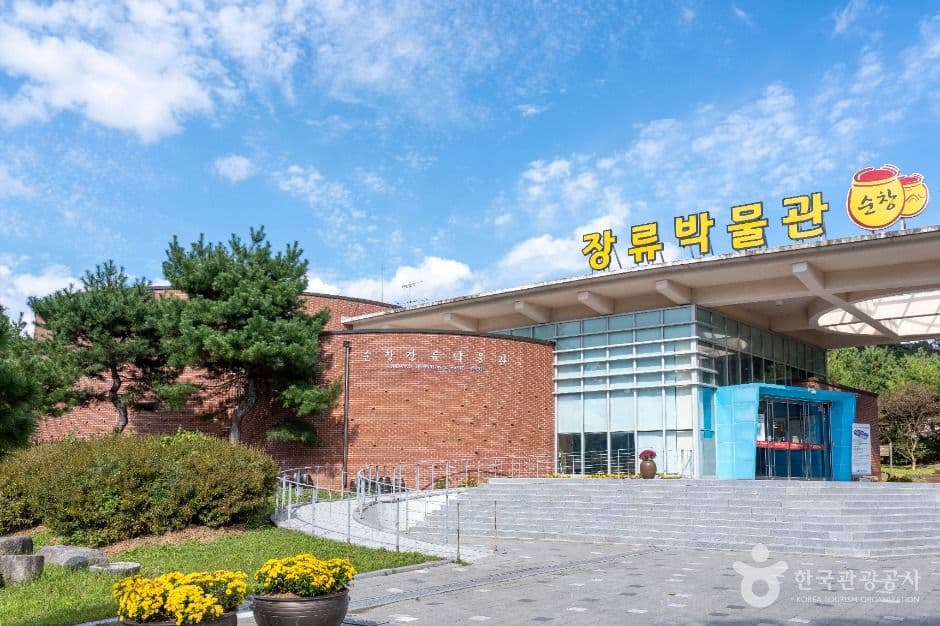
Time Does the Cooking: Jang and the Fermentation Village

Sunchang · Gochujang Village

Time Does the Cooking: Jang and the Fermentation Village

Visit Sunchang's traditional paste-making village — rows of earthenware jars, hanging meju blocks, the slow work of fermentation — and make your own gochujang to take home.

Kimchi is only the beginning: jang is the base note of Korean flavour, and here the red pots and courtyards show the time it takes.

All year1-2hEasy going
Who it suits'The country of fermentation' explained not with a dish but with time, masters and storage culture — visually unmistakably Korean.
LanguageInterpreter needed
BookingBook experiences ahead
Season & hours09:00–18:00; closed Seollal and Chuseok days; check individual programme days
Spring on the Mountain: A Wild-Greens Table

Jeongseon · Jeongseon Arirang Market

Spring on the Mountain: A Wild-Greens Table

In April and May, walk Jeongseon Arirang Market as the first mountain greens come down — gondre, chwinamul, gomchwi, dureup — then eat them as gondre rice or a full sanchae table.

The season announces itself on the market mats: the first green things off the mountain, photographed and eaten the same morning.

Springhalf dayEasy going
Who it suitsSpring groups and FITs alike — market, people, ingredients and table in one continuous scene.
LanguageInterpreter needed
BookingMarket is walk-in; book restaurants ahead for groups
Season & hoursFive-day market on dates ending 2 and 7, plus Saturdays; early April–May best — the greens' arrival depends on the year's weather, and varieties change daily
Winter's White Flowers: Tongyeong Oysters

Tongyeong · Jungang Market

Winter's White Flowers: Tongyeong Oysters

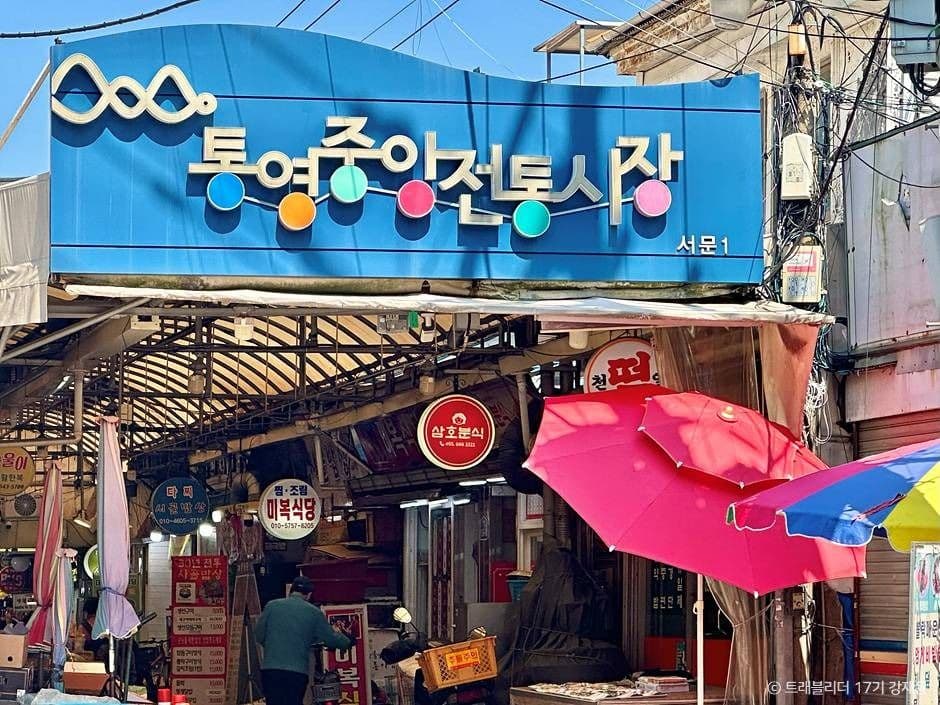
From November to early spring, tour Tongyeong's central market as the day's oysters come in — then choose your form: raw, pan-fried jeon, steamed in the shell, or oyster gukbap.

Oysters are Tongyeong's winter livelihood, not just its dish — glistening trays, piled shells and sizzling jeon connect the cold sea straight to the table.

Winter1-2hEasy going
Who it suitsThe signature regional taste of the Korean winter — harbour, market and cooking in one frame.
LanguageInterpreter needed
BookingMarket walk-in; book oyster restaurants ahead for groups
Season & hoursMarket and restaurant hours vary; season roughly Nov–Mar; raw service adjusted to preference and food-safety standards — check shellfish allergies
Dried by the Winter Wind: Guryongpo Gwamegi

Pohang · Guryongpo

Dried by the Winter Wind: Guryongpo Gwamegi

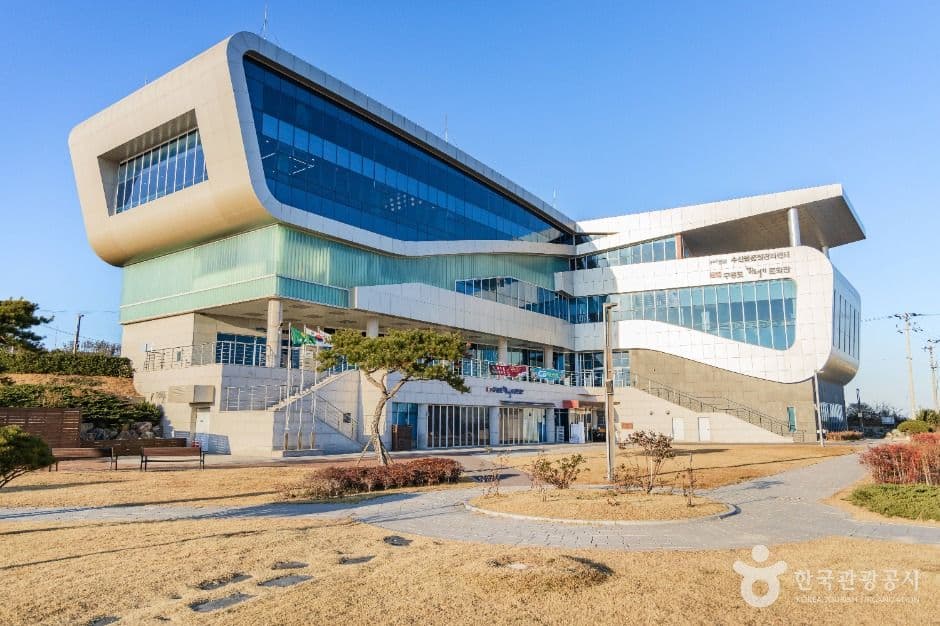
See racks of herring and saury drying in the cold sea wind at Guryongpo, learn the process at the Gwamegi Culture Center, then eat it the local way — wrapped with gim, miyeok, chives and garlic.

The east-coast winter itself makes this food: fish hung in ranks against the sea is one of Korea's strongest seasonal images.

Winterhalf dayEasy going
Who it suits'Cold wind makes the food' — the clearest possible winter story for this theme.
LanguageInterpreter needed
BookingCulture center walk-in; book restaurants for groups; drying-yard visits by prior arrangement
Season & hoursSeason centred Nov–Feb; culture center hours separate; drying yards depend on weather and production schedules — confirm ahead; check fish preferences and allergies

Build a trip around Eat with the Seasons

Send us the dates and the group — we will come back with an itinerary shaped by this theme.

Add this to your client’s itinerary