Gyeongbuk
A region where Korea’s ancient spirit meets vibrant city life. From time-honored temples and royal relics to lively markets and modern streets, it offers a glimpse into both Korea’s roots and its dynamic present.
Gyeongju · Andong · Pohang · Ulsan · Daegu · Yeongju · Mungyeong · Uljin
Things to do here
17 experiences our team has visited
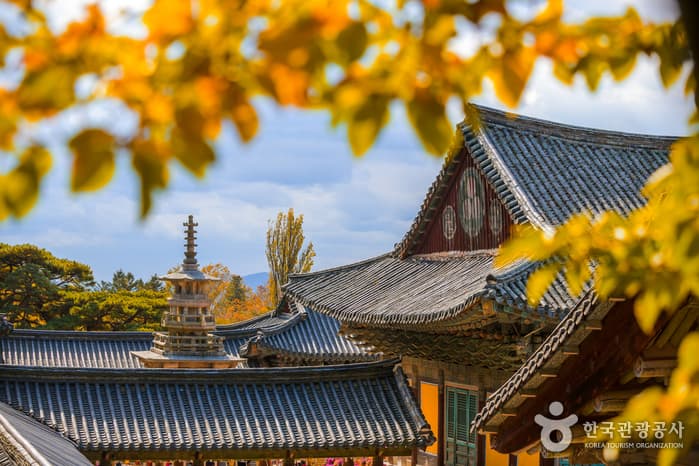
Gyeongju
Bulguksa & Seokguram
Take the classic Silla pairing above Gyeongju: Bulguksa temple with its stone terraces and twin pagodas in the morning, then the mountain road up to the Seokguram grotto Buddha looking out toward the East Sea.
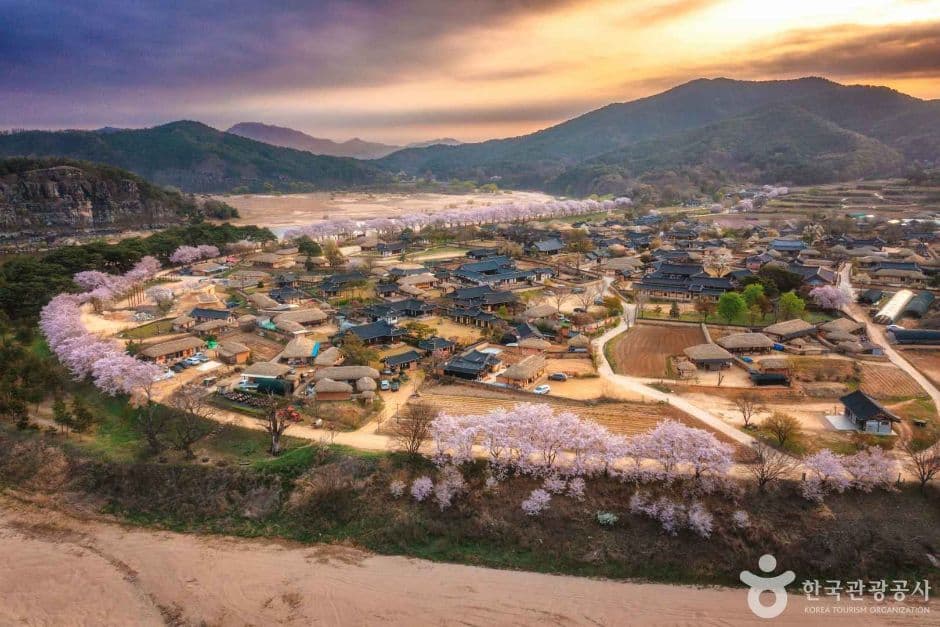
Andong
Hahoe Folk Village
Spend a slow afternoon in Hahoe, a Ryu-clan village inside a loop of the Nakdong River — tiled scholar houses and thatched cottages still lived in, with the mask dance performed in the village square.
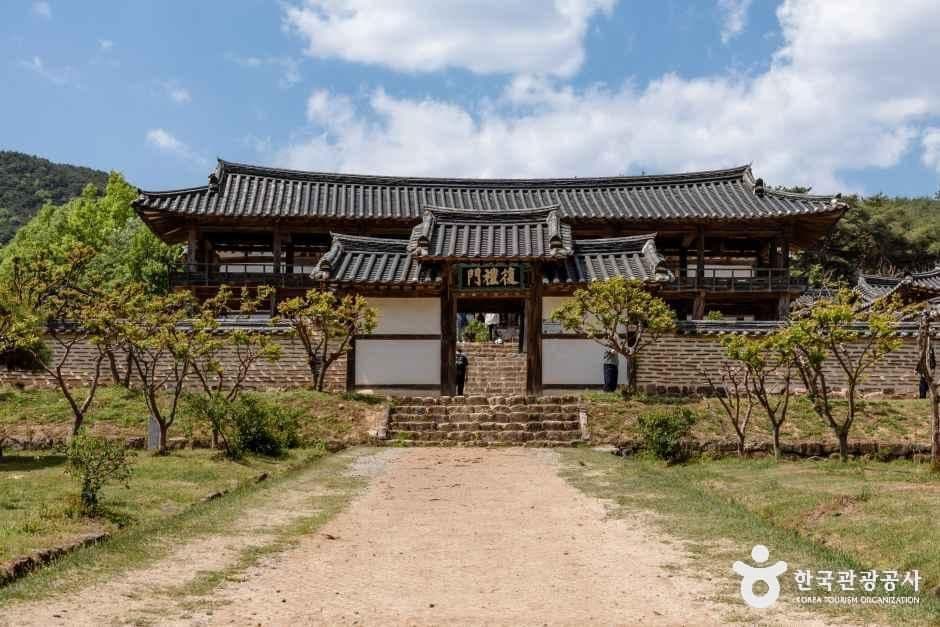
Andong · Byeongsanseowon
The Joseon Way 03: The Scholars' Korea
Visit Byeongsan or Dosanseowon — lecture halls, shrine courts and the pavilion floor opening onto river and mountain — where Joseon's scholars tied learning to landscape.
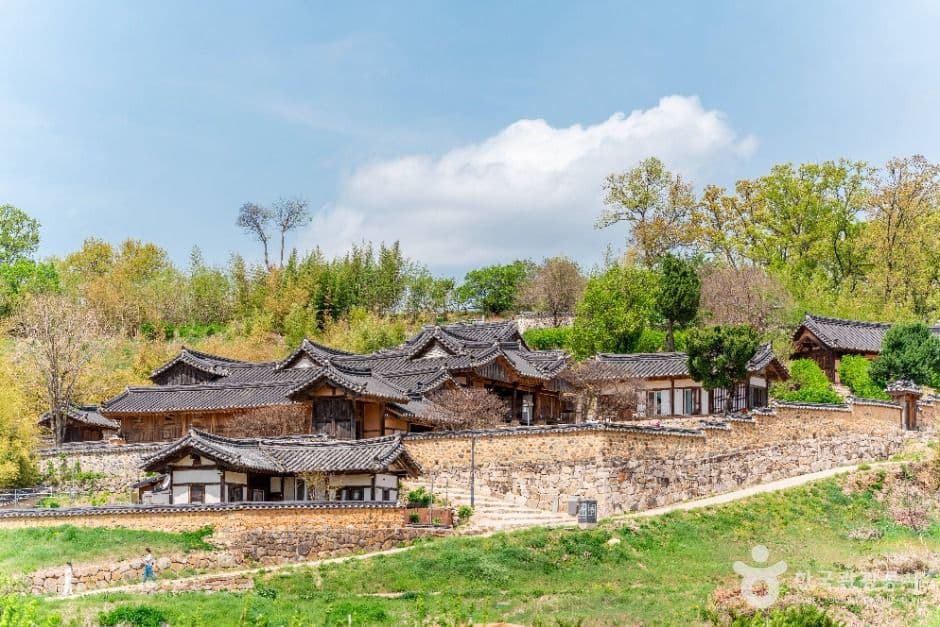
Andong · Hahoe
The Joseon Way 04: Villages Built by Confucian Order
Walk Hahoe or Yangdong — head-family houses, tiled and thatched roofs, lanes, fields and the river bend — a clan village whose social order is written in its ground plan.
Andong
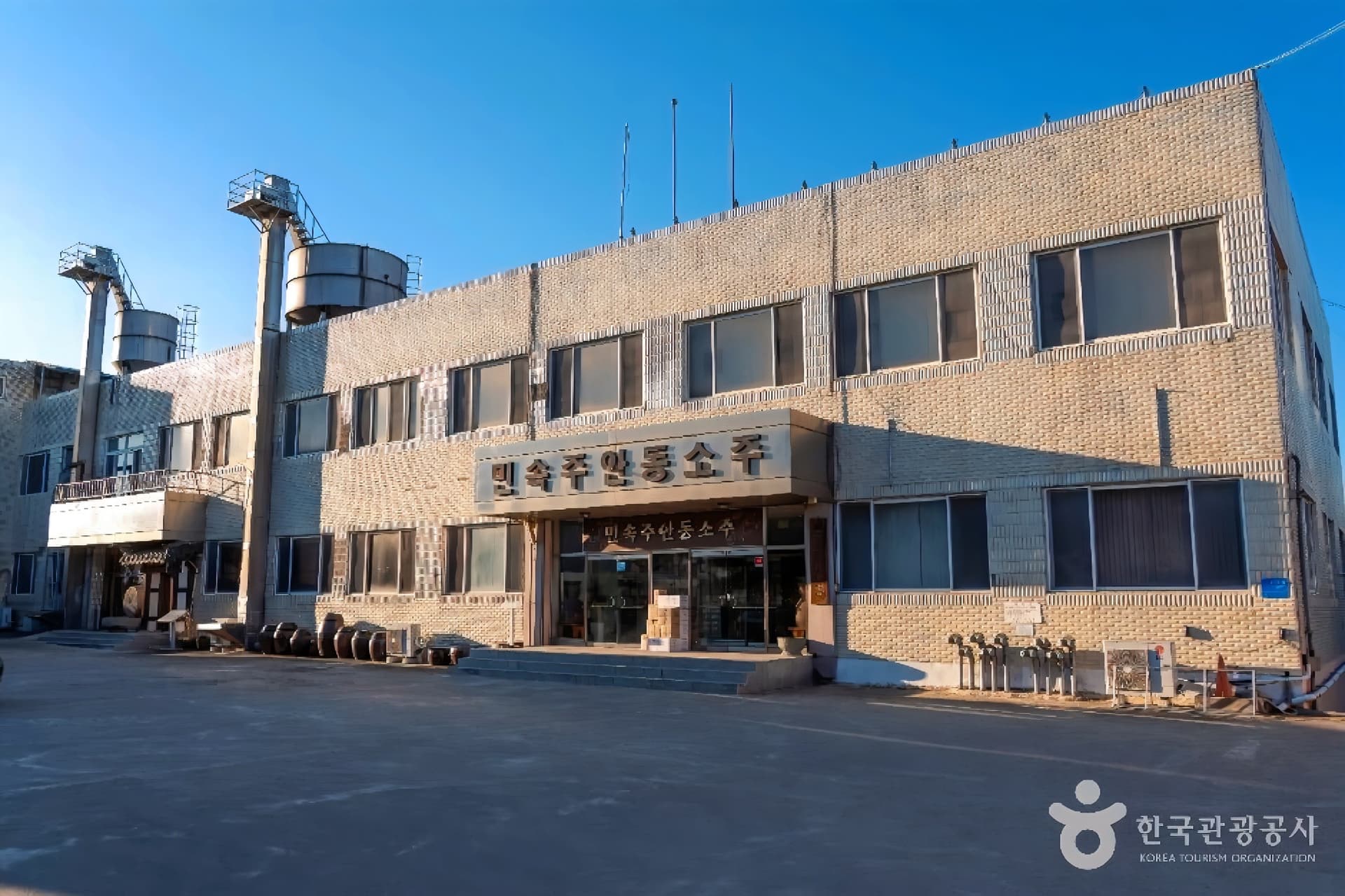
Andong Soju & Traditional Food Museum
Taste Andong soju at its source — the 45-percent original, distilled the old way — with the museum walking you through why this town's water and winters made Korea's most storied spirit.
Mungyeong · Omynara
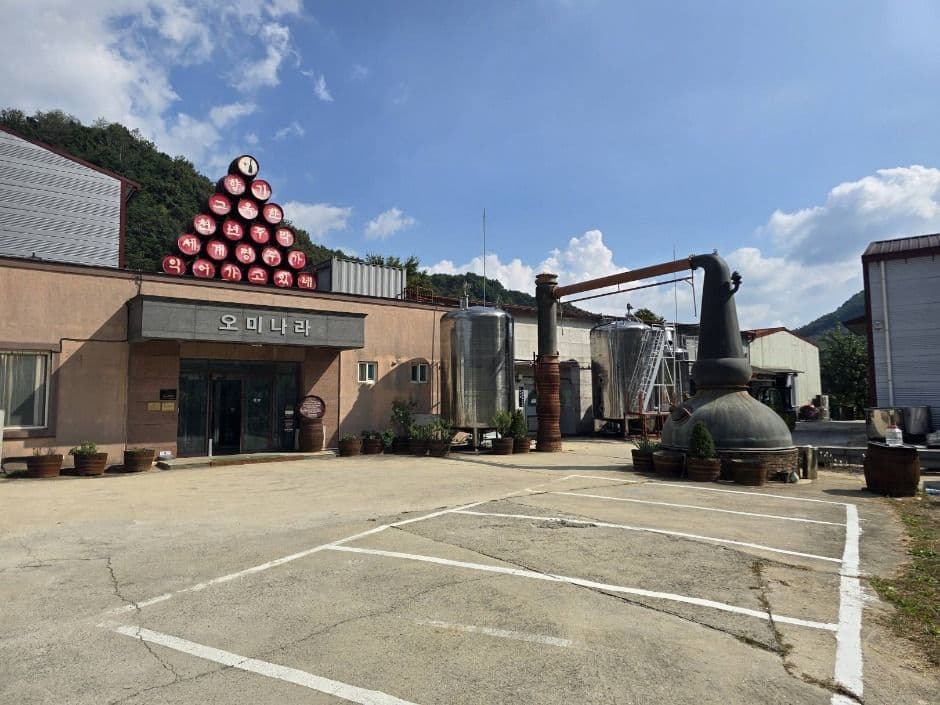
Omija Wine at Omynara
Tour the Omynara winery with an expert guide — omija wine and oak-aged spirits in the making — finishing with a tasting; or bottle your own apple brandy, photograph and label it, and take home a one-of-one commemorative bottle.
Mungyeong · Omija Theme Tunnel
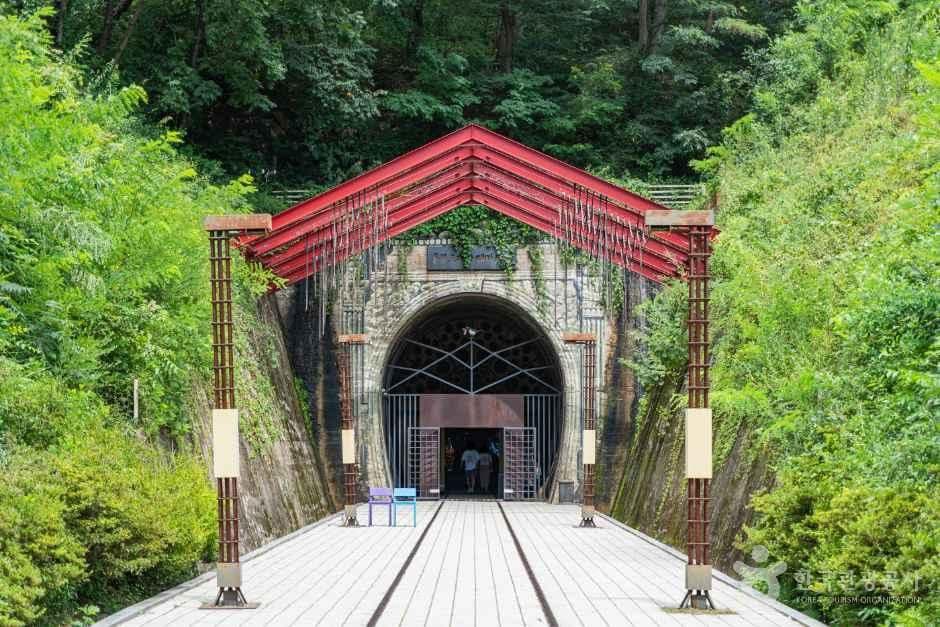
Five Flavours in One Cup: Omija-cha
See Mungyeong's scarlet omija harvest and its syrup in the making, then taste the berry as tea or ade while the story of its five flavours — sweet, sour, bitter, salty, pungent — unfolds.
Seongju
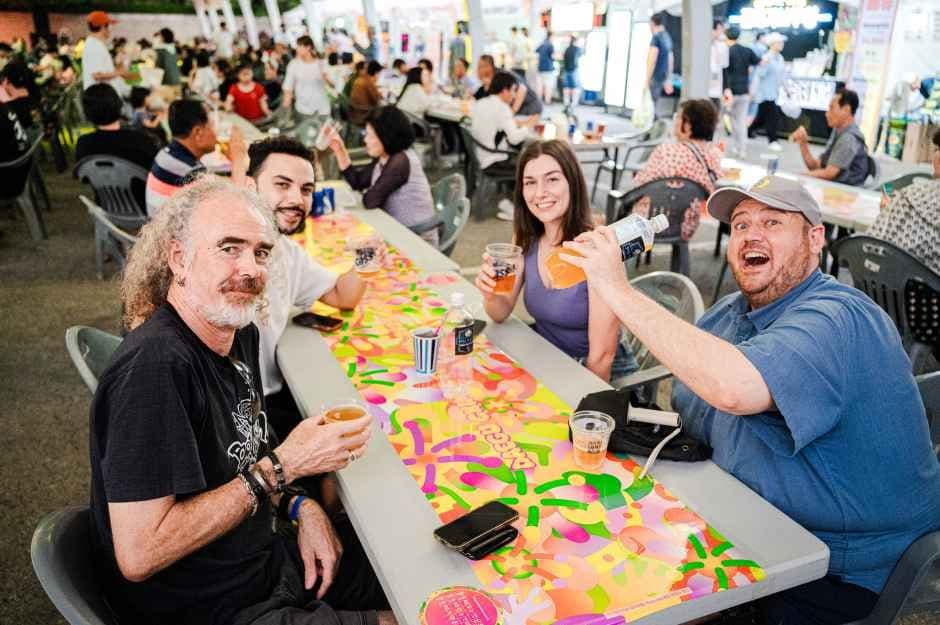
Summer in Every Bite
A taste-map of the Korean summer: chamoe melon desserts in Seongju, chimaek season at Daegu's beer festival, cold milmyeon by the sea in Busan, squid mulhoe in Jeju, and a winery tour among Yeongdong's grapes.
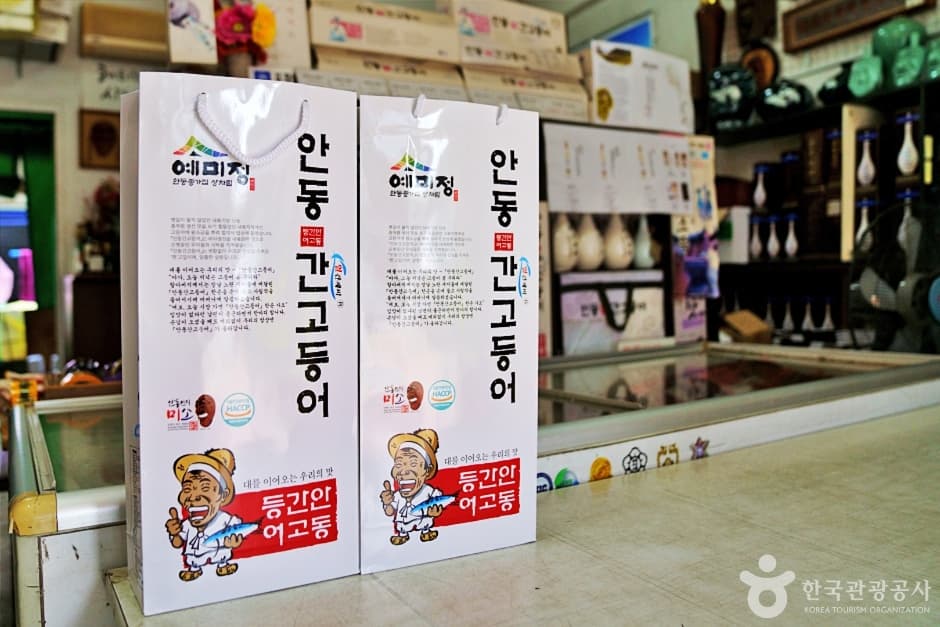
Andong
Salted Mackerel, Far from the Sea
Eat Andong's famous gan-godeungeo — mackerel salted for the long mountain road from the coast, grilled to order in its home town.
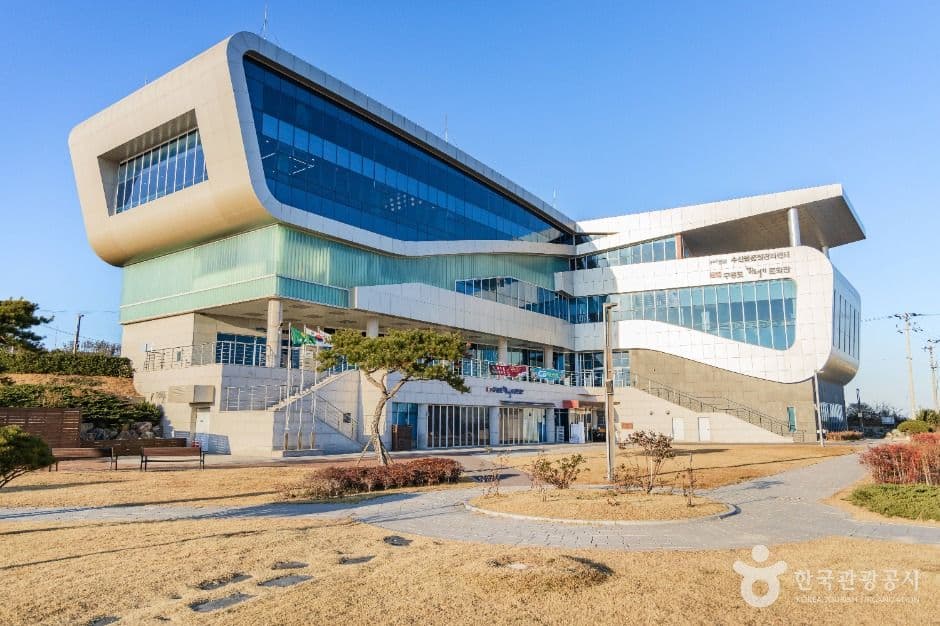
Pohang · Guryongpo
Dried by the Winter Wind: Guryongpo Gwamegi
See racks of herring and saury drying in the cold sea wind at Guryongpo, learn the process at the Gwamegi Culture Center, then eat it the local way — wrapped with gim, miyeok, chives and garlic.
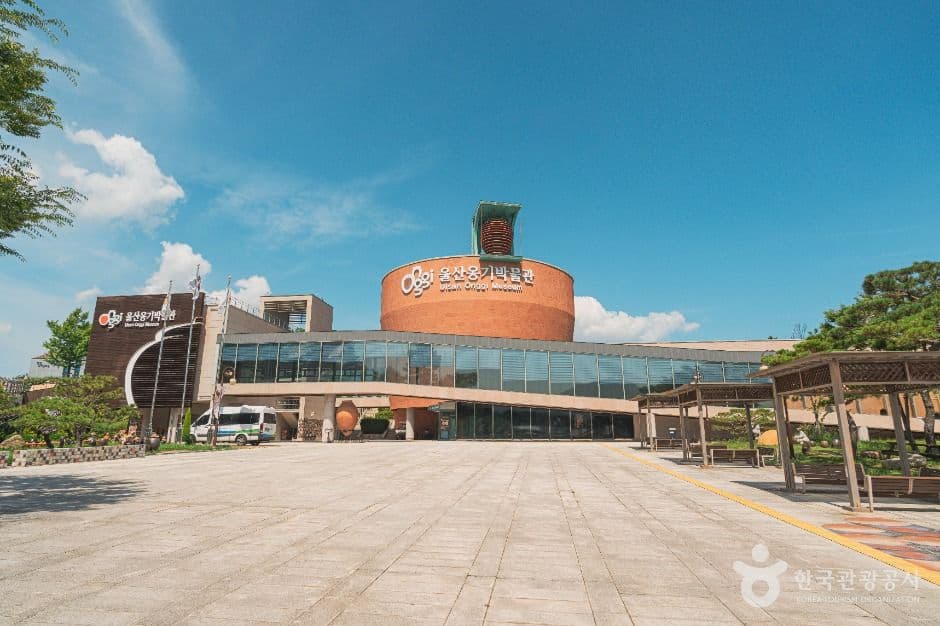
Ulsan · Oegosan Onggi Village
A Day with a Potter: Oegosan
Watch an onggi master at the wheel in Korea's largest onggi village, then throw your own small jar at the academy — museum and academy hall included.
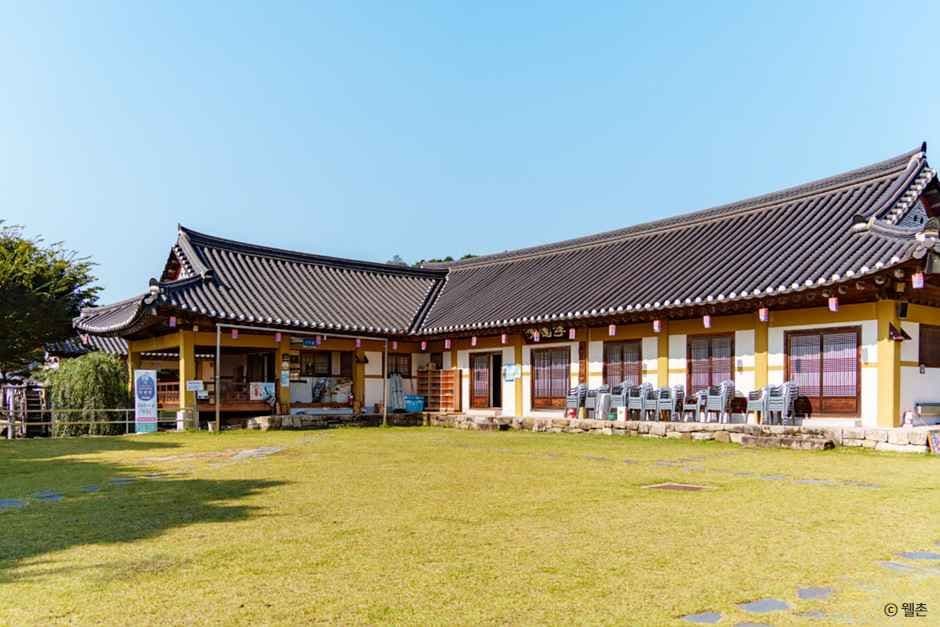
Yecheon · Geumdangsil Village
A Day in a Traditional Village: Geumdangsil
Pick from Geumdangsil's living-culture menu — hanji fans, beeswax candles, natural dyeing, mask-making, chamoe kimchi and pickles, taffy-pulling, gochujang — inside a village that also starred in a Netflix drama.
Gyeongju
Yangdong Village: A Clan Still at Home
Walk Yangdong, a Joseon clan village of tiled and thatched houses on a wooded slope, where descendants of the founding families still live — and stop to talk where the doors are open.
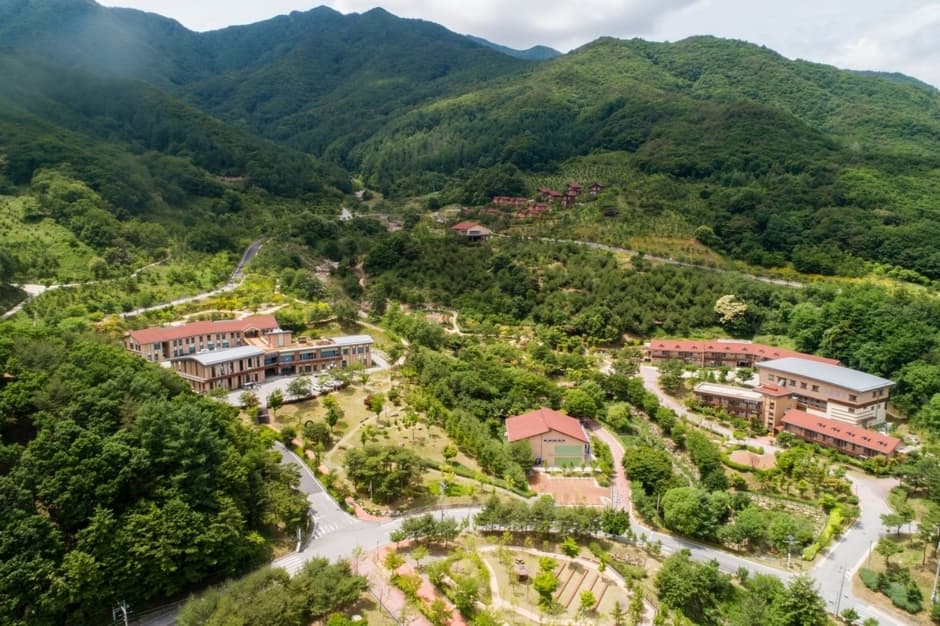
Yeongju · Daslim
A Night Under the Forest: Daslim
Walk the healing-forest trails of the national forest-therapy center, choose from hydrotherapy, singing-bowl meditation and guided programmes, and stay the night to make it a true retreat.
Ulsan · Oegosan Onggi Village
Earth, Fire, Time: The Onggi Potters of Oegosan
Tour the kilns and workshops of Korea's largest onggi pottery village, watch a master throw the great breathing jars, then shape a small onggi of your own at the village academy.
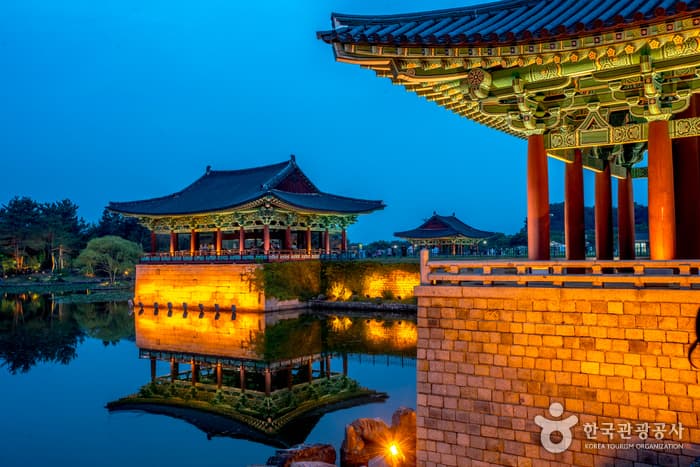
Gyeongju · Donggung & Wolji
Silla After Dark
After sunset at Donggung & Wolji, watch the reconstructed pavilions double in the pond, then walk to Woljeonggyo bridge and the Gyochon quarter as the old capital re-lights.
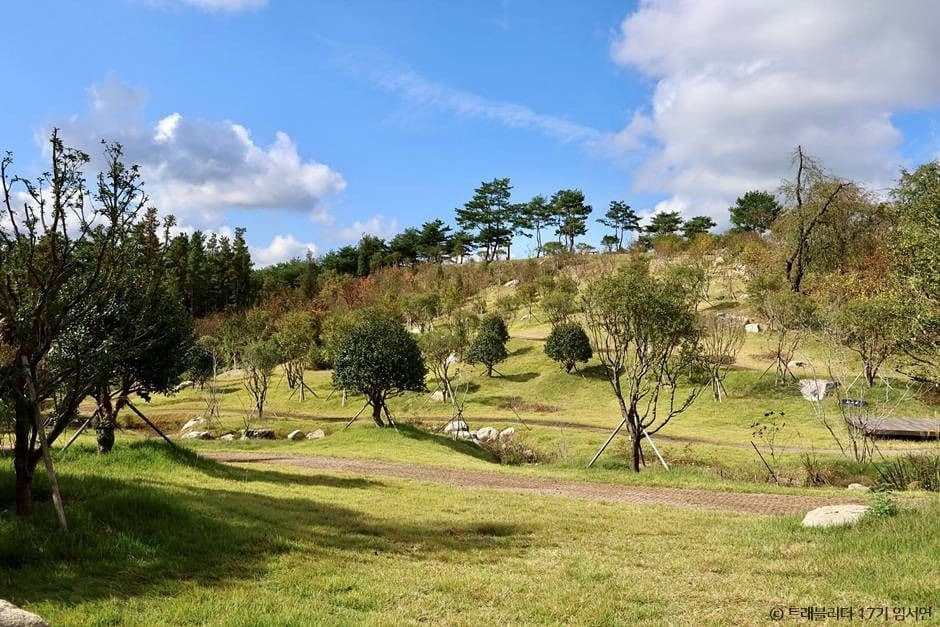
Daegu · Sayuwon
Siza × Seung H-Sang: The Gardens of Sayuwon
Move through the arboretum of Sayuwon in Gunwi, where Álvaro Siza's Soyoheon and pavilions and Seung H-Sang's Hyeonam and Wasa sit among forest and valley — architecture experienced as a walk, not a viewing.
Places to see
The landmarks worth the stop
Gyeongju
Bulguksa Temple
A UNESCO World Heritage masterpiece of Silla Buddhist architecture, crowned by two national-treasure stone pagodas, Dabotap and Seokgatap. Its terraced courtyards and painted halls represent the golden age of ancient Korean craftsmanship.
Donggung Palace and Wolji Pond
The banquet palace of the Silla kingdom, rebuilt beside a crescent pond that mirrors its pavilions. Visit after dark — the illuminated reflection on still water is Gyeongju's defining night view.
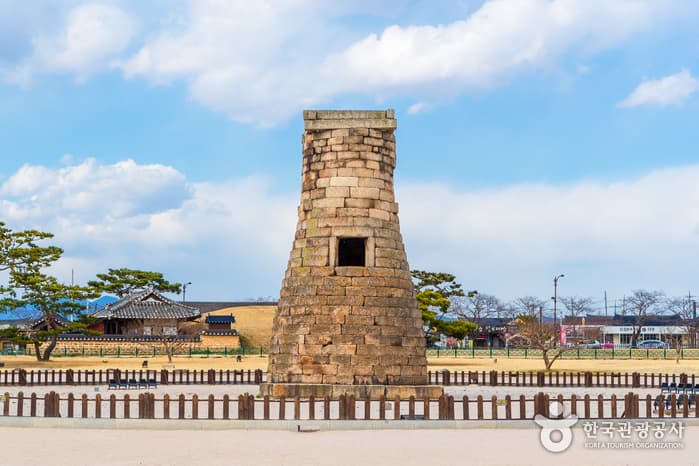
Cheomseongdae Observatory
Dating to the reign of Queen Seondeok in the 7th century, Cheomseongdae is one of the oldest surviving astronomical observatories in the world. Its bottle-shaped tower rises about nine metres from some 360 carefully stacked stones — a number long said to echo the days of the year — in 27 layers that nod to Silla's 27th ruler. A defining landmark of Gyeongju, it is framed by seasonal flowers and open fields that draw visitors year-round.
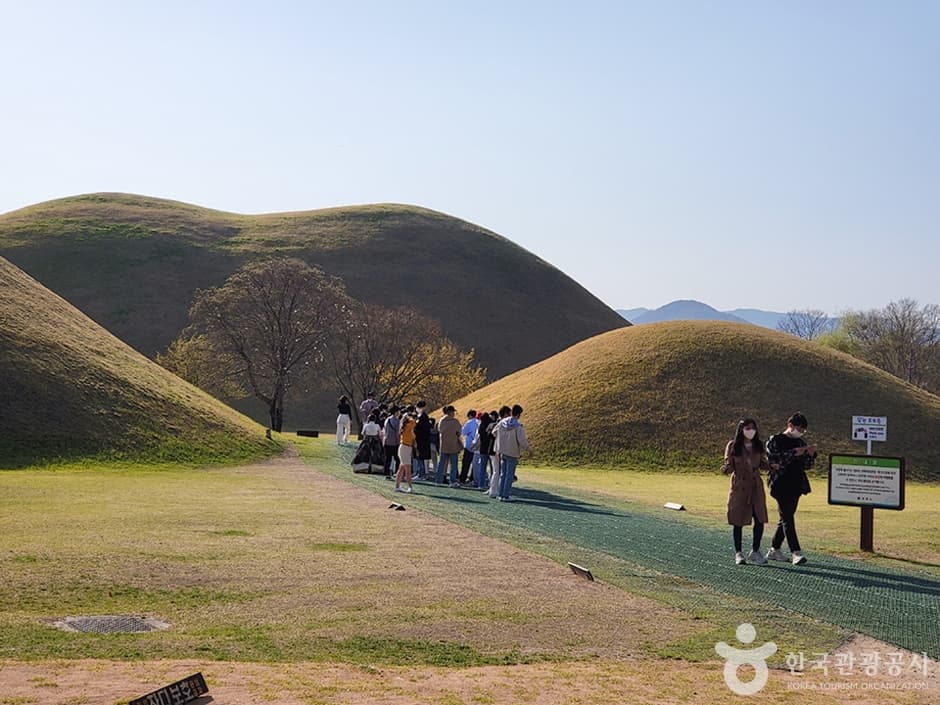
Cheonmachong Tomb (Daereungwon Ancient Tombs)
Set within Gyeongju's Daereungwon, a serene park of 23 Silla-era royal mounds, Cheonmachong is the only tomb open to visitors. Excavated in 1973, it revealed a remarkable gold crown and the Cheonmado, a saddle flap painted with a heavenly horse that gives the tomb its name. Walking trails wind past the grassy burial mounds, offering a quiet glimpse into ancient Korea.
Gyeongju National Museum
Set in the heart of Silla's ancient capital, this museum gathers artifacts spanning nearly a millennium of the dynasty's history. The renovated Silla Art Gallery and History Gallery offer an accessible introduction to the kingdom's craftsmanship, while family programmes at the Children's Museum School round out a visit.
Andong
Andong Hahoe Village
Cradled in a bend of the Nakdonggang River, this well-preserved clan village remains home to descendants of the Pungsan Ryu family. Its traditional houses, ancestral halls, and the celebrated Hahoe masks offer a living glimpse of Joseon-era village life. On select evenings, the dramatic Seonyu Julbul fireworks send embers cascading from the cliffs above the water.
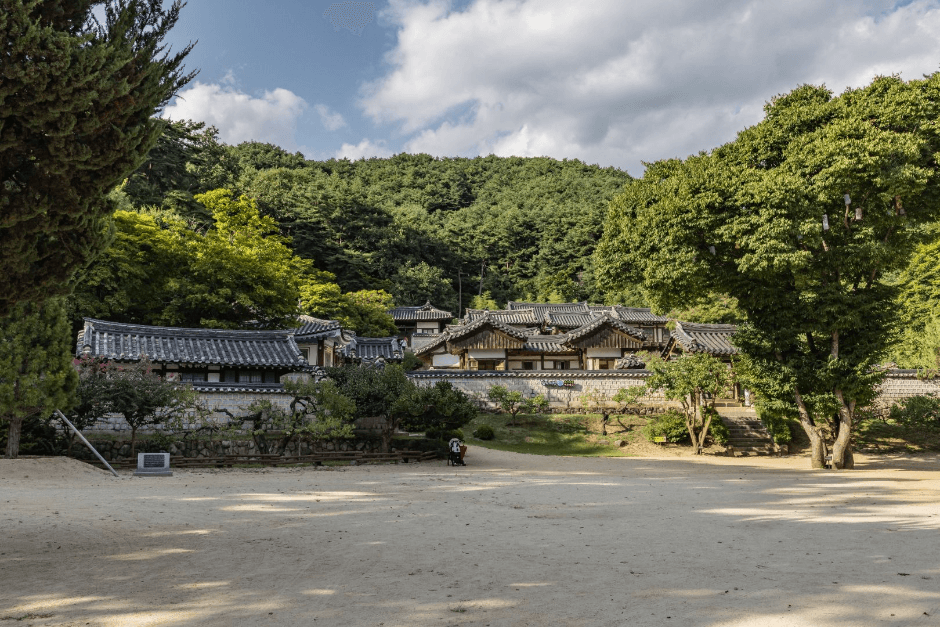
Dosanseowon Confucian Academy
Founded in honor of the great Confucian scholar Toegye Yi Hwang, this academy pairs the lecture halls where he taught with the shrine his followers later built to preserve his teachings. The oldest structure, Dosanseodang, dates to 1561 and was designed by Yi Hwang himself. Set among quiet hills, the complex remains a touchstone of Korean scholarship and learning.
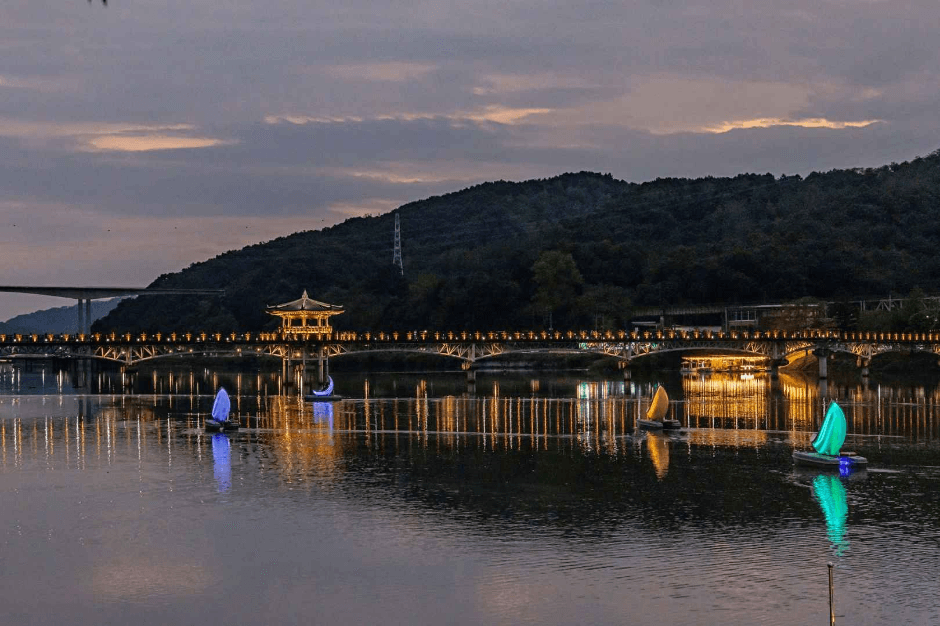
Woryeonggyo Bridge
Korea's longest wooden footbridge stretches across the Nakdonggang River, its lantern-lit form especially lovely when the moon shimmers on the water. The bridge's shape recalls a pair of hemp shoes, a nod to a moving local legend of a widow's devotion to her late husband. Stroll across at dusk or drift beneath it on the lake's moon boat for the finest view.
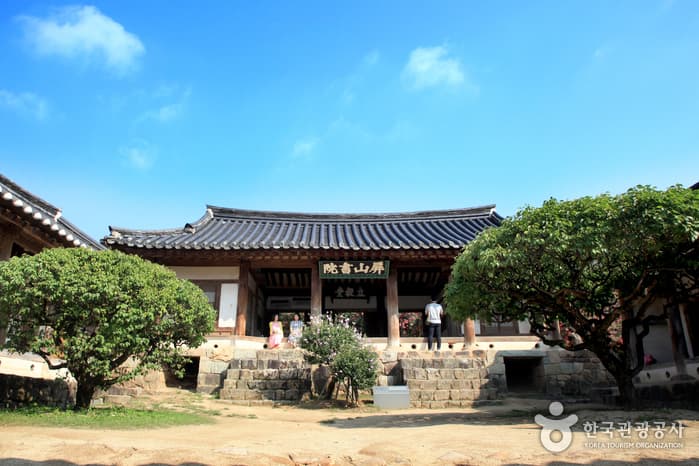
Byeongsanseowon Confucian Academy
Set beside the Nakdong River against a backdrop of folding hills, Byeongsanseowon began as a Goryeo-era school before scholar Yu Seong-nyong relocated it here in 1572. Renowned for its elegant Mandaeru Pavilion framing the river and cliffs, the academy embodies the refined ideals of Confucian learning. Its archive still preserves thousands of historic documents and books, including works by Yu himself.
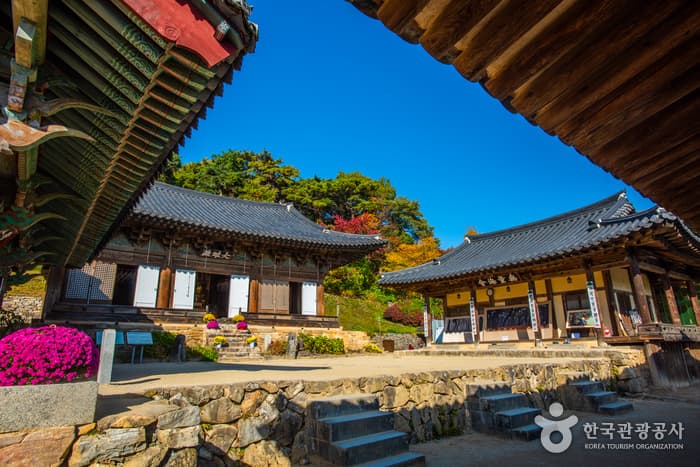
Bongjeongsa Temple
Nestled on the slopes of Cheondeungsan Mountain near Andong, Bongjeongsa dates back to the 7th century and is linked to the revered monk Uisang. Its Geungnakjeon Hall is recognized as the oldest surviving wooden building in Korea, a discovery confirmed during 1972 restoration work. The temple offers a rare glimpse into early Korean architecture and quiet mountain seclusion.
Journeys through Gyeongbuk
See it inside an itinerary
Sample journey
Korea Highlights Tour (7D 6N)
Seoul (2N), Gyeongju (1N), Busan (2N), Seoul (1N)
Sample journey
Grand Korea Discovery (14D 13N)
Seoul (4N), Andong (1N), Gyeongju (day visit), Busan (3N), Jeju (3N), Seoul (2N)
Sample journey
All About Korea (11D 10N)
Seoul (3N), Suwon (1N), Wonju (1N), Andong (1N), Gyeongju (1N), Busan (2N), Seoul (1N)
Build a route through Gyeongbuk
Send us your dates and group — we will shape the itinerary around this region.
Build this into your programme