Jeolla-do
Known for its warmth and generosity, Jeolla captivates with rich flavors, vibrant traditions, and scenic beauty. From serene temples to colorful markets and coastal charm, it’s where Korea’s soulful culture truly comes alive.
Jeonju · Gwangju · Damyang · Boseong · Suncheon · Yeosu · Namwon · Mokpo
Things to do here
23 experiences our team has visited
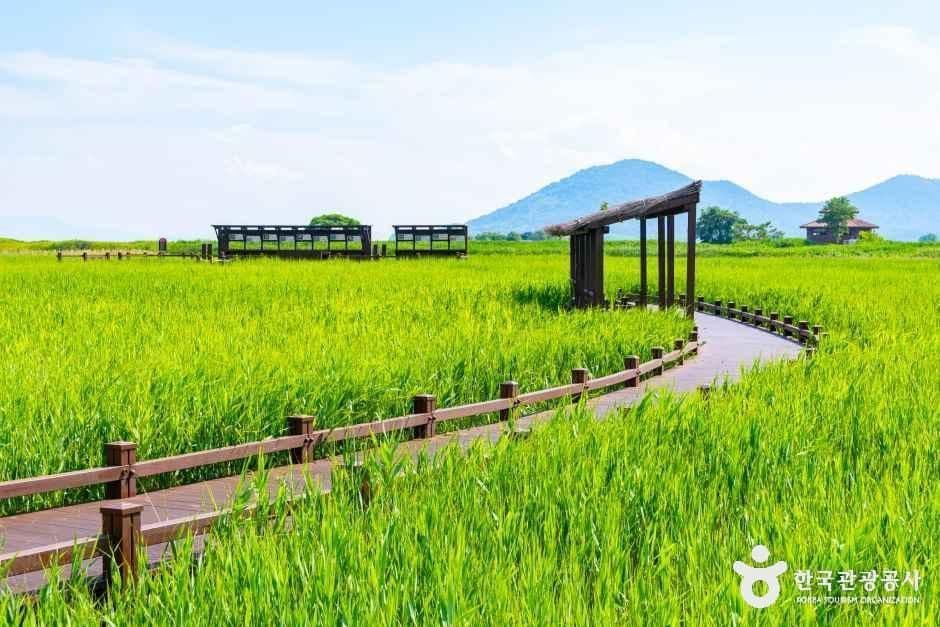
Suncheon · Suncheonman
Waiting for the Cranes: Suncheonman
A winter birdwatching session in the Suncheonman wetlands, waiting for the hooded cranes that migrate here each year — reeds, mudflats and farm fields as the backdrop.
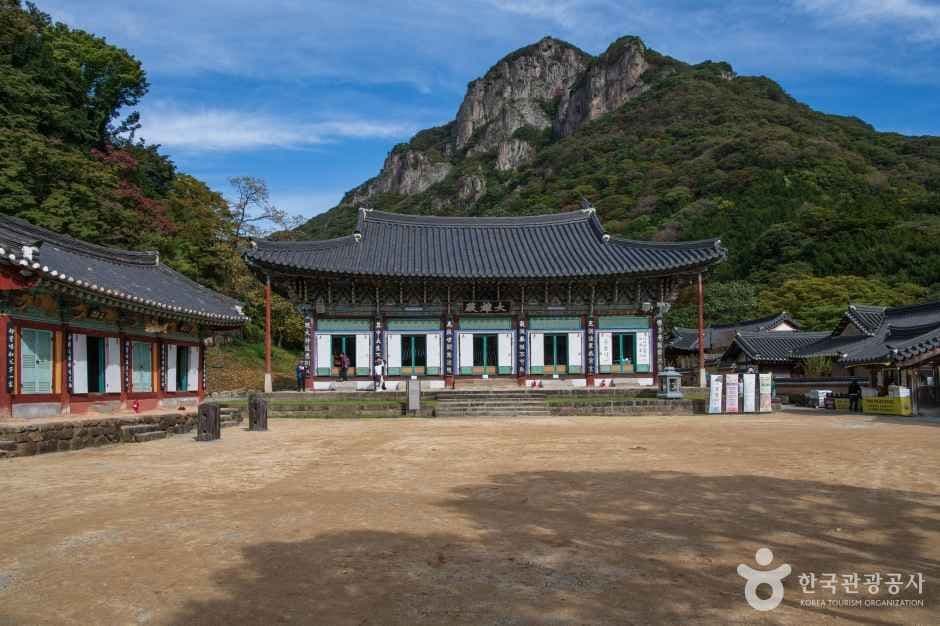
Jangseong · Baegyangsa
One Night, No Rush: Baegyangsa Templestay
Stay at Baegyangsa under Naejangsan — walking meditation on forest paths, seated Seon meditation, tea with the monks, and the temple's silent night and dawn.
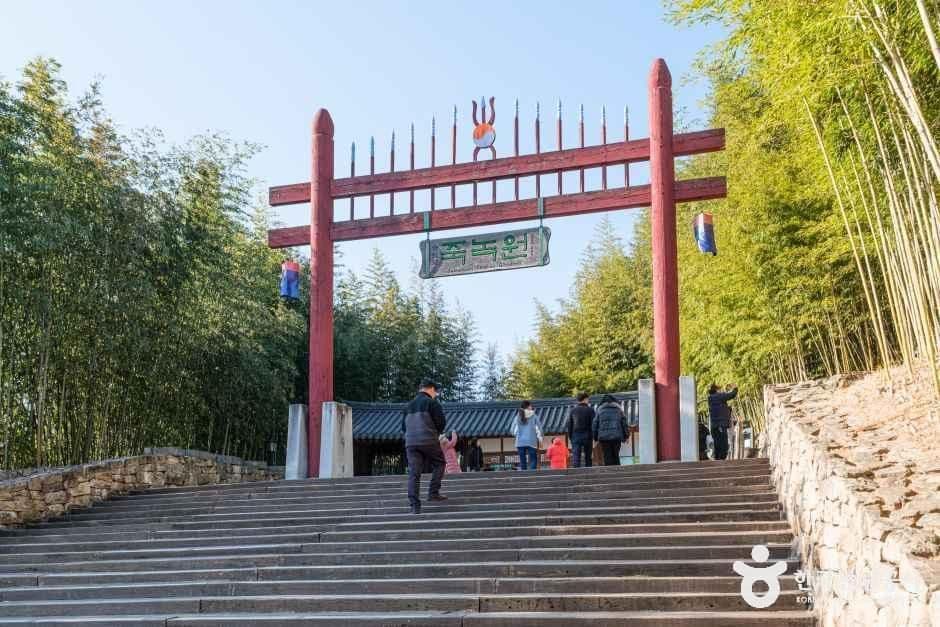
Damyang · Juknokwon
Walk Where the Bamboo Whispers
Choose one or two of Juknokwon's eight themed paths and walk slowly through the dense bamboo — the sound of leaves in the wind and the light falling between the culms as the whole point.
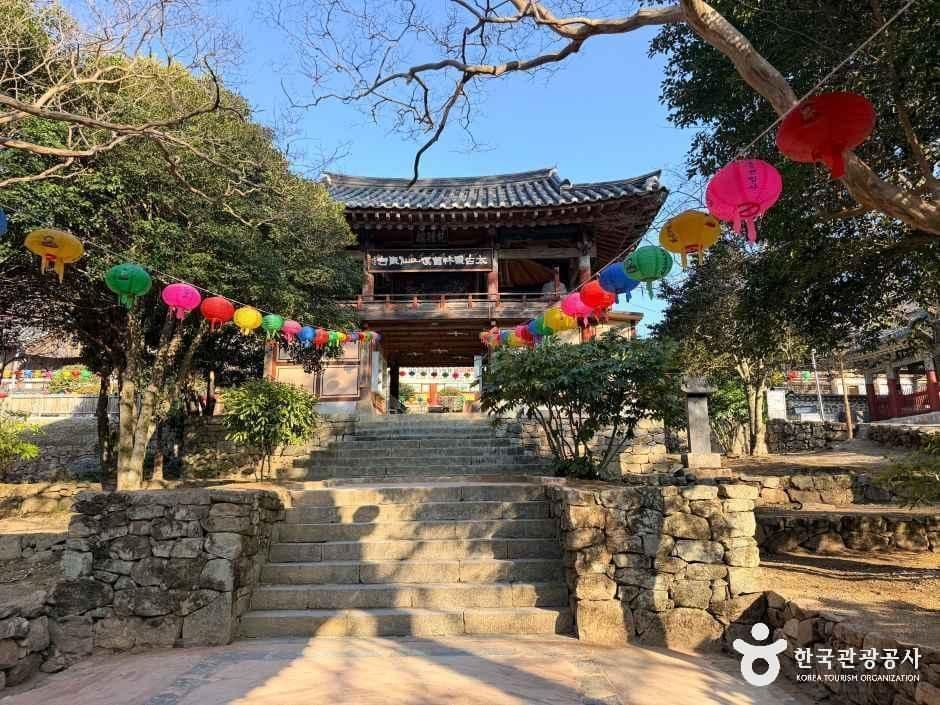
Suncheon · Seonamsa
A Temple in the Trees: Seonamsa
Approach Seonamsa the old way — a kilometre on foot through Jogyesan forest, over the arched Seungseongyo Bridge, into halls and gardens that have barely changed.
Gurye · Nogodan
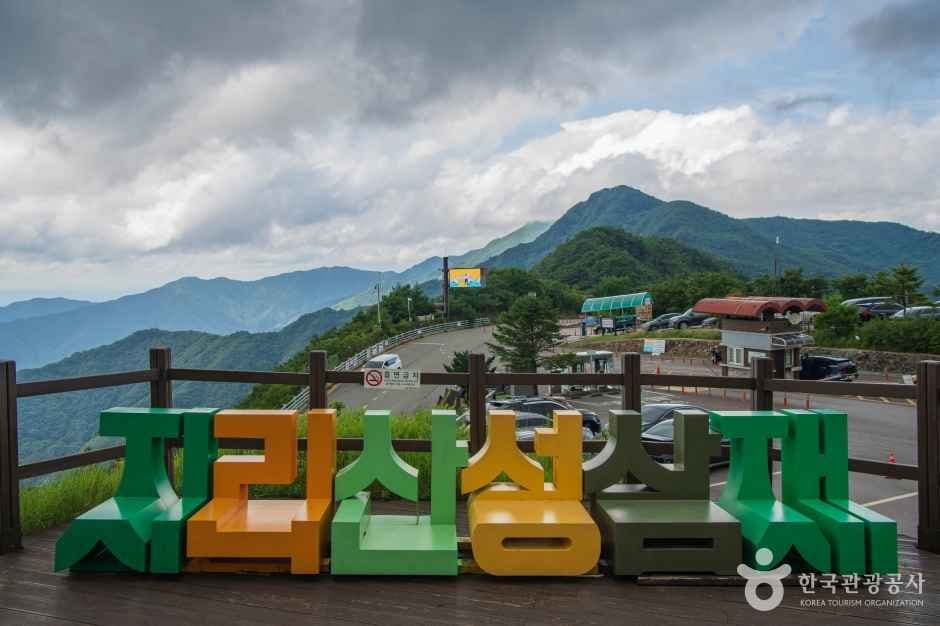
Above the Clouds: Nogodan
From Seongsamjae up toward Nogodan, gaining height over the Seomjingang basin — and on the right morning, a sea of clouds below the ridge.
Muju · Hyangjeokbong
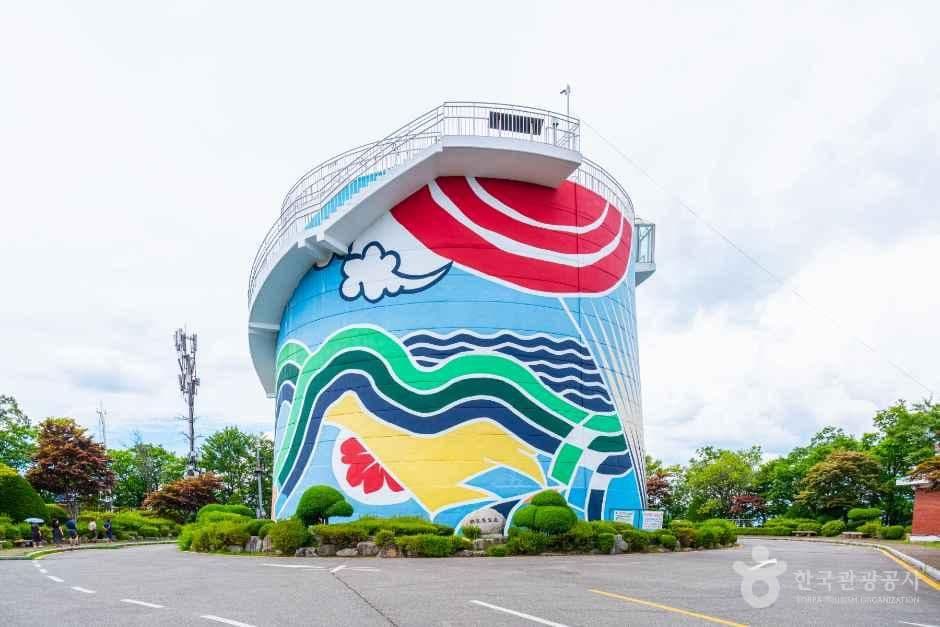
Winter Ridge: Deogyusan
Ride the Muju resort gondola to Seolcheonbong, walk twenty minutes to Hyangjeokbong, and stand over hoarfrost, snowbound ridges and — on clear days — range upon range.
Boseong
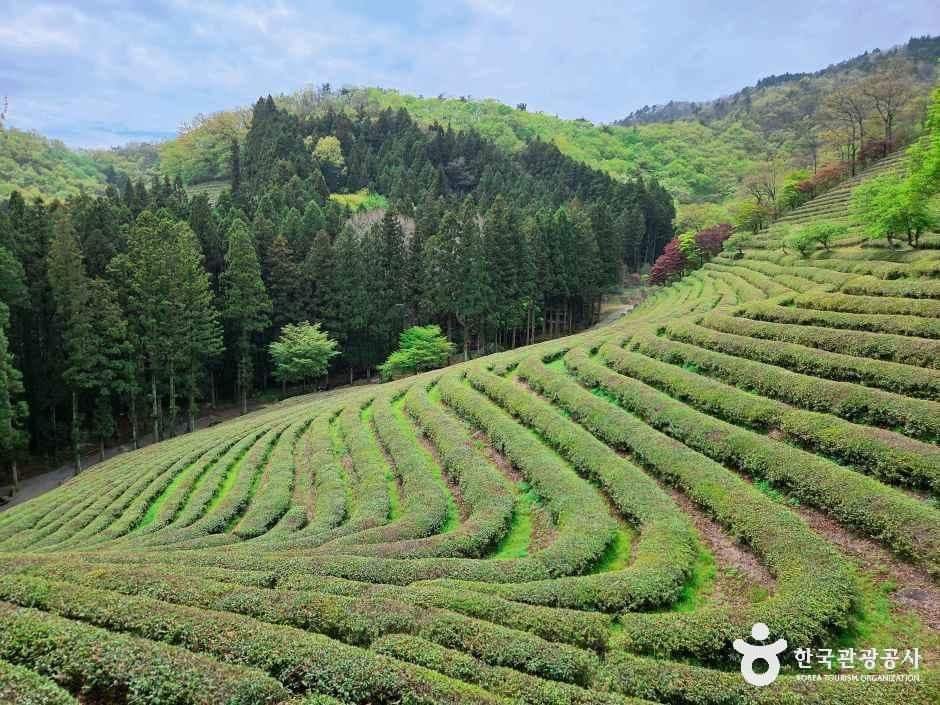
Tea Among the Fields: Boseong
A private tea session deep inside a working Boseong tea estate — walk the rows, watch the leaves processed, then drink the estate's green tea with seasonal sweets.
Suncheon · Nagan
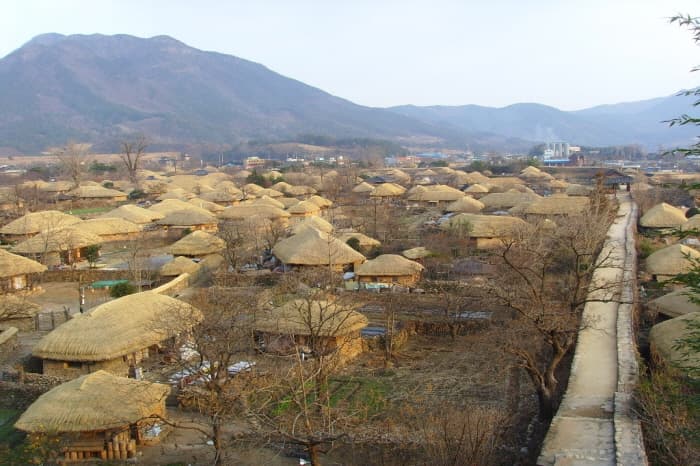
Naganeupseong Walled Town
Walk the intact stone walls of Naganeupseong, a Joseon-era fortress town where a hundred thatched-roof households still live inside — kitchens smoking, vegetable plots tended, village life continuing behind the ramparts.
Damyang
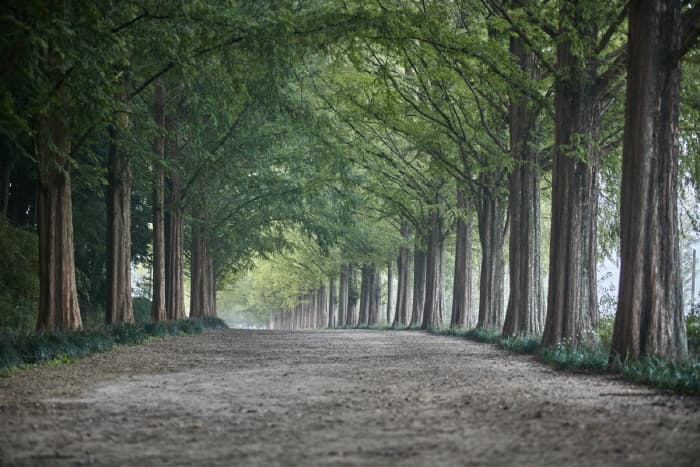
Metasequoia Road & the Slow Town
Cycle or stroll Damyang's Metasequoia-lined Road — a cathedral of hundred-foot redwoods planted in the 70s — then idle through a town that made slowness its brand, bamboo groves and tteok-galbi lunch included.
Namwon · Gwanghalluwon
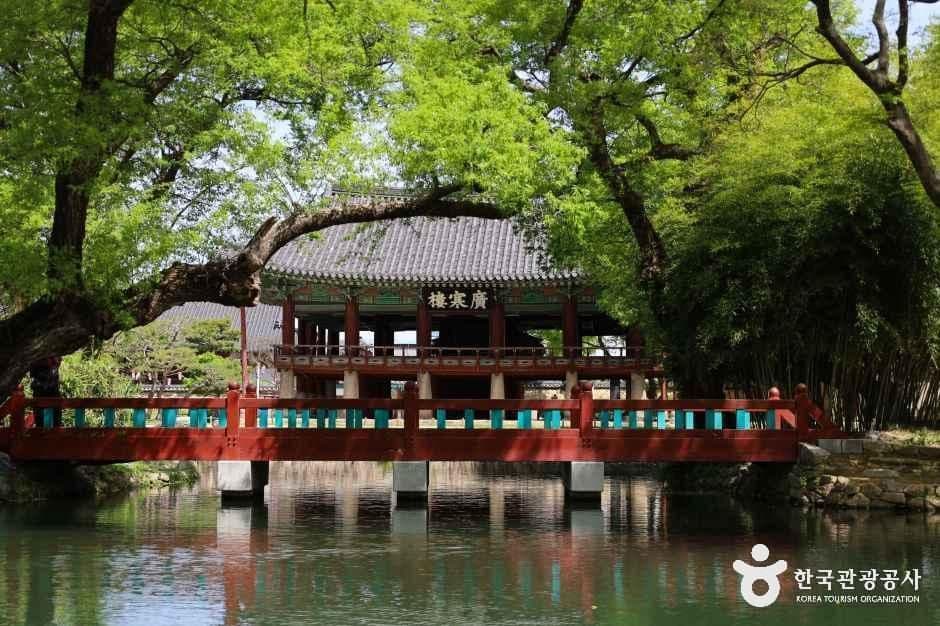
Namwon: Love Story, Old Station, Mountain Herbs
Follow Namwon's layered stories — Gwanghalluwon garden of the Chunhyang love tale, the disused Seodo Station, the hornbeam village forest and Jirisan Herb Valley.
Gunsan · Gyeongam-dong
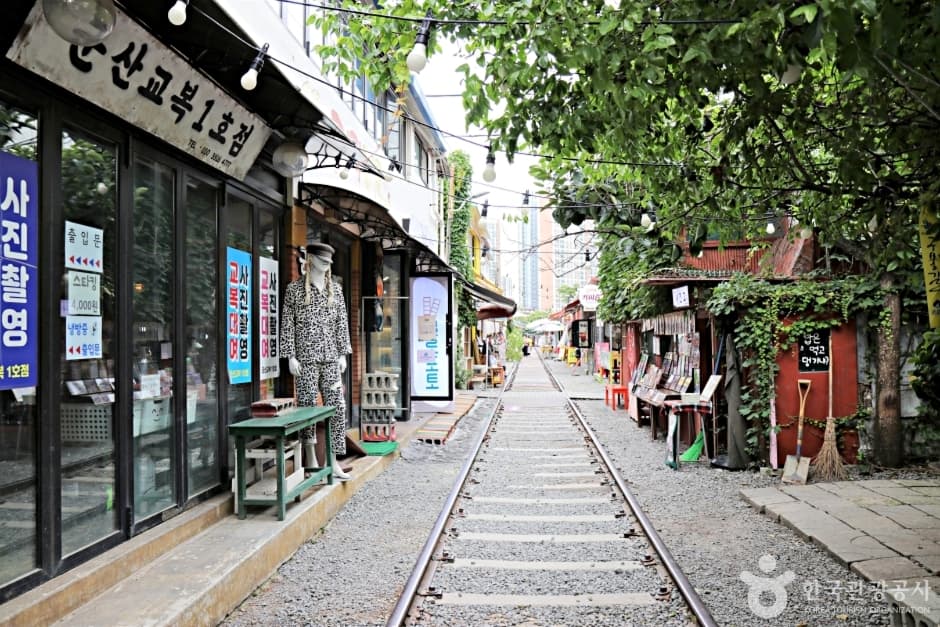
Gunsan, Where Time Stopped
Trace Gunsan's overlapping eras — the Modern History Museum and old customs house, Dongguksa temple, the railway village of Gyeongam-dong, the Chowon photo studio of film fame, and Daejangbong across the water.
Mokpo · Seosan-dong
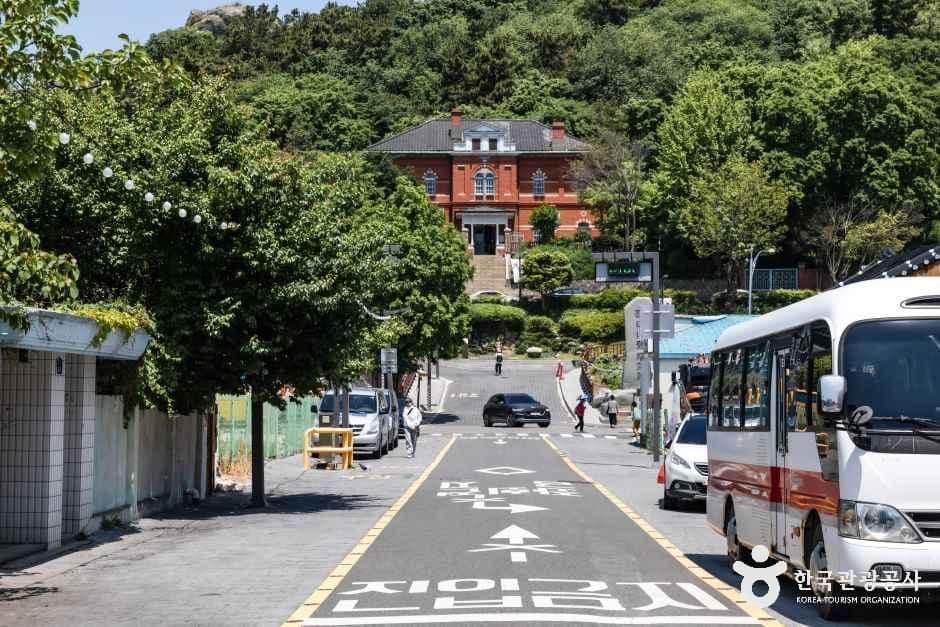
Postcards from Old Mokpo
Walk the 1897 open-port quarter — both Modern History Museums, colonial-era architecture, then the poetry-painted lanes of Seosan-dong up to Borimadang — following the port city's timeline on foot.
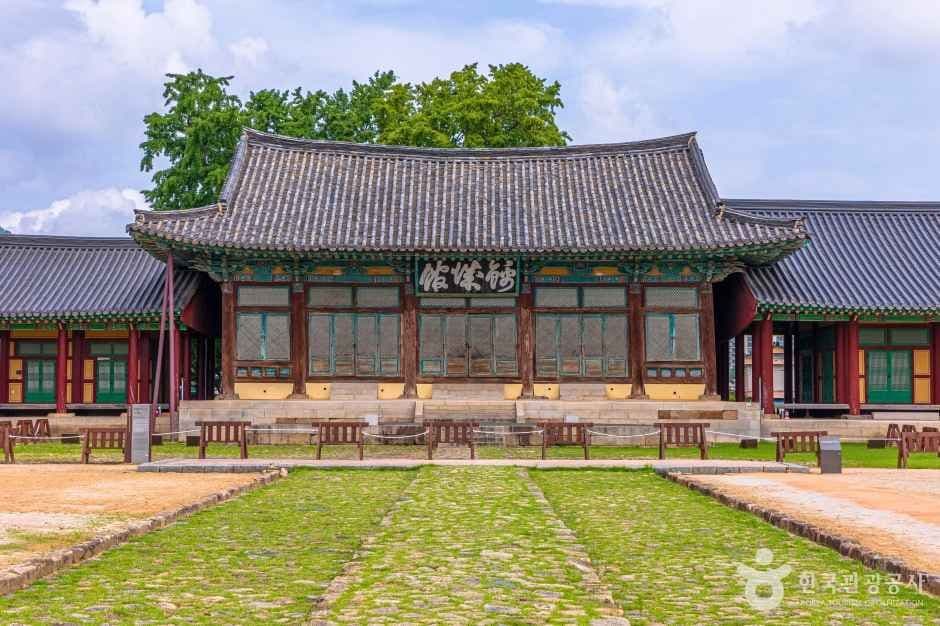
Naju · Geumseonggwan
Market Town, Old Capital: A Day Inside Naju
Browse Naju Moksa Goeul market's produce and banchan, then walk Geumseonggwan and the old administrative quarter to the gomtang street — Joseon provincial capital and living market layered in one downtown.
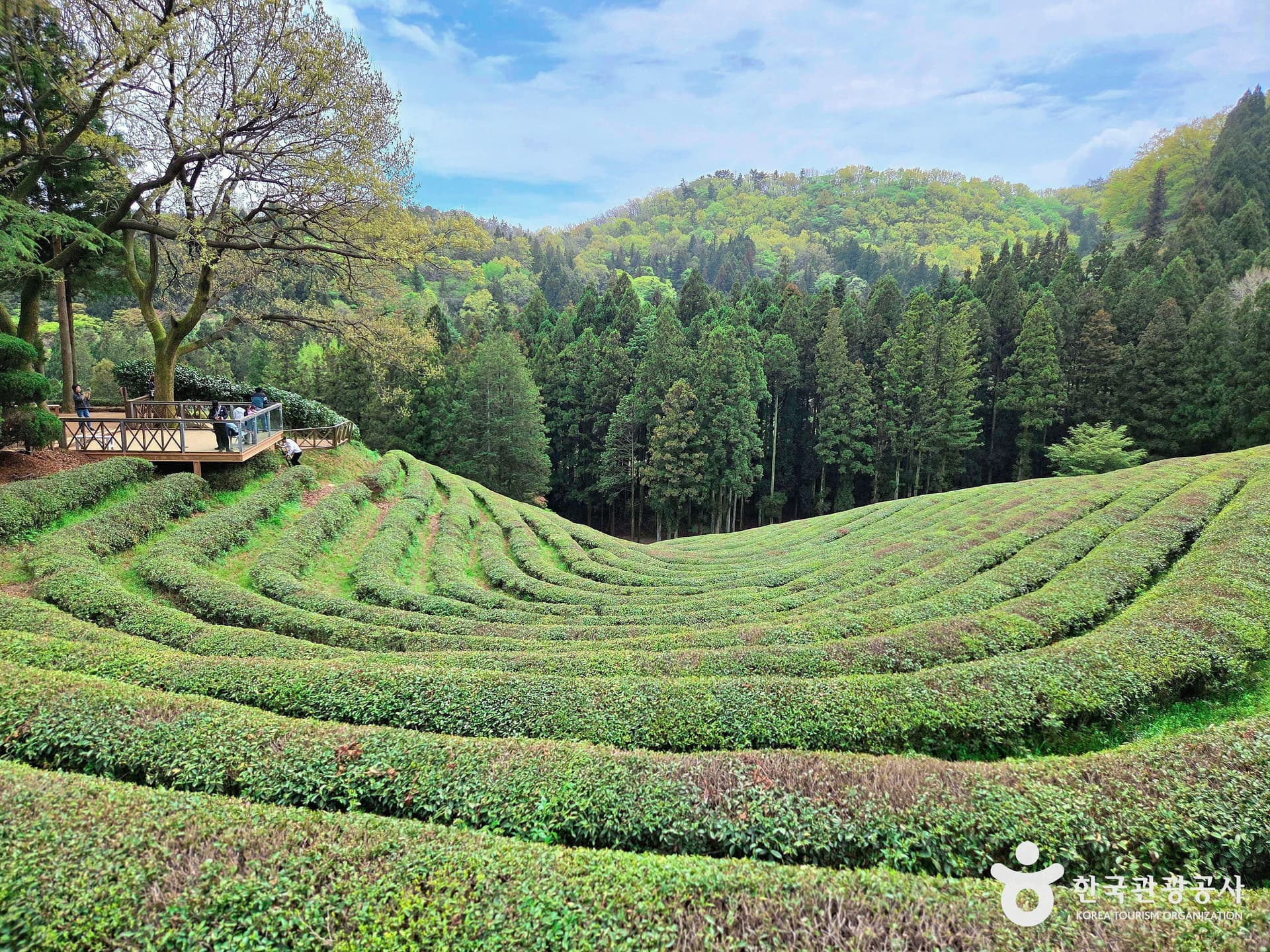
Boseong
Boseong Green Tea Fields
Walk the terraced rows of Boseong's Daehan Dawon plantation, Korea's largest tea field, then taste the harvest — green tea brewed properly, green-tea ice cream for the road.
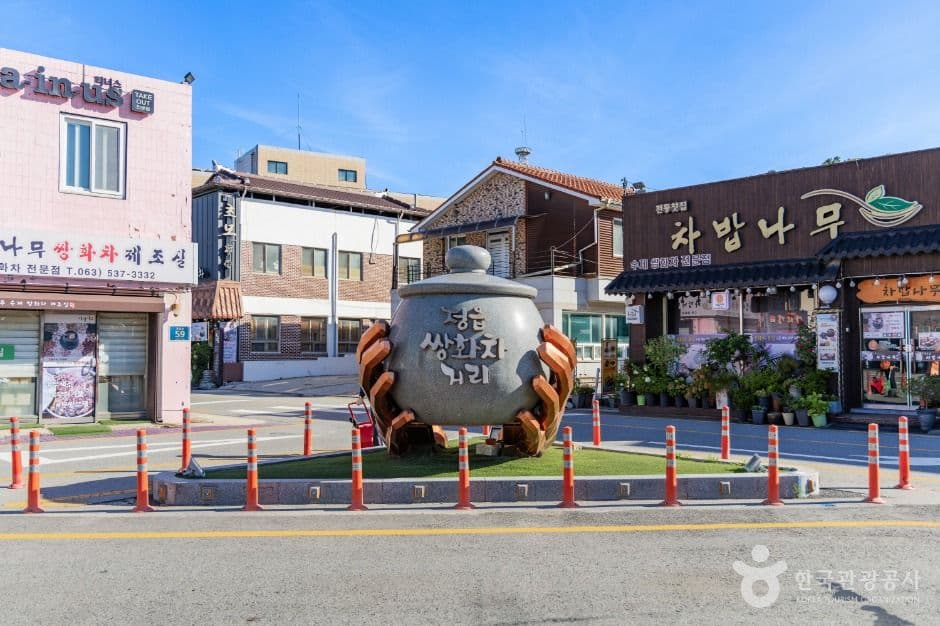
Jeongeup · Ssanghwa-cha Street
Warmed from Within: Jeongeup Ssanghwa-cha
In Jeongeup's old ssanghwa-cha alley, order the herbal tonic tea served almost as a meal — jujube, chestnut, pine nuts and medicinal roots crowding an earthenware bowl, small sweets alongside.
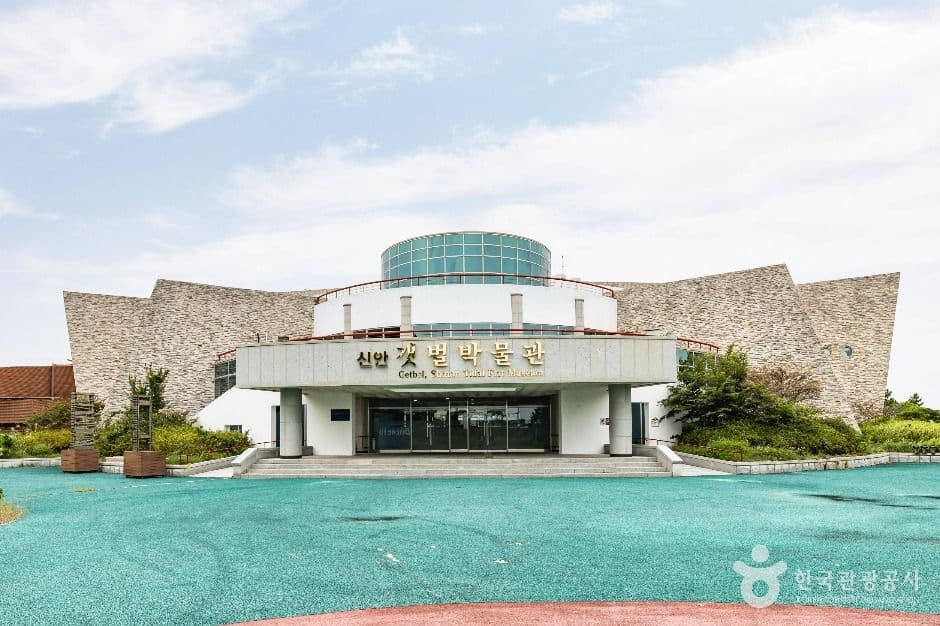
Sinan · Sinan Getbol
Into the Getbol: Sinan's World-Heritage Mudflats
Walk the largest section of Korea's UNESCO tidal flats — clam digging, traditional drag-net fishing, salt-plant spotting and the getbol museum, out among Sinan's thousand islands.
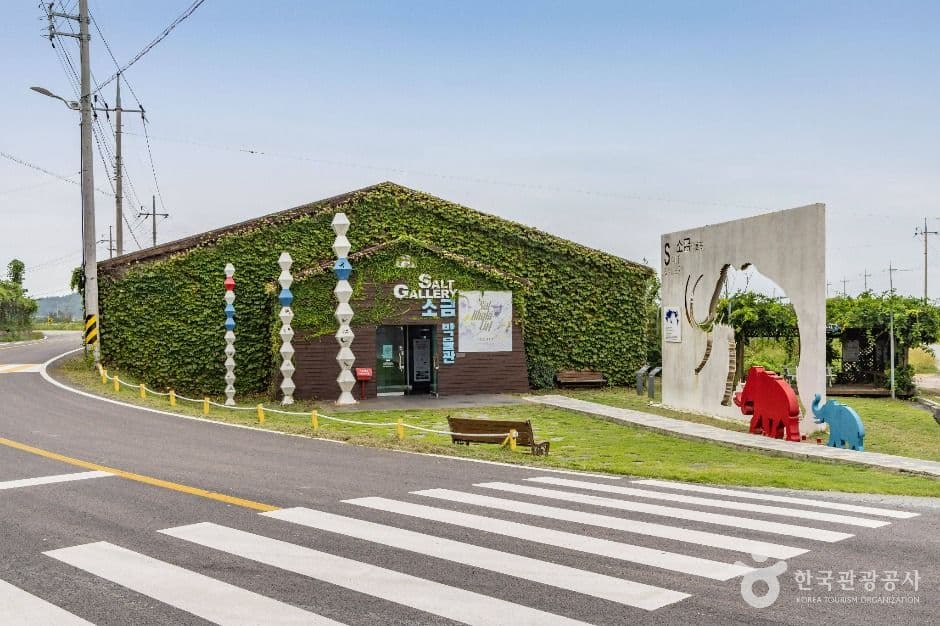
Sinan · Jeungdo
From Tide to Salt: Taepyeong Salt Fields
At Jeungdo's vast Taepyeong salterns inside the Sinan getbol, watch sun and wind draw salt from seawater across the crystallising pans — and rake your own in season, with the Salt Museum alongside.
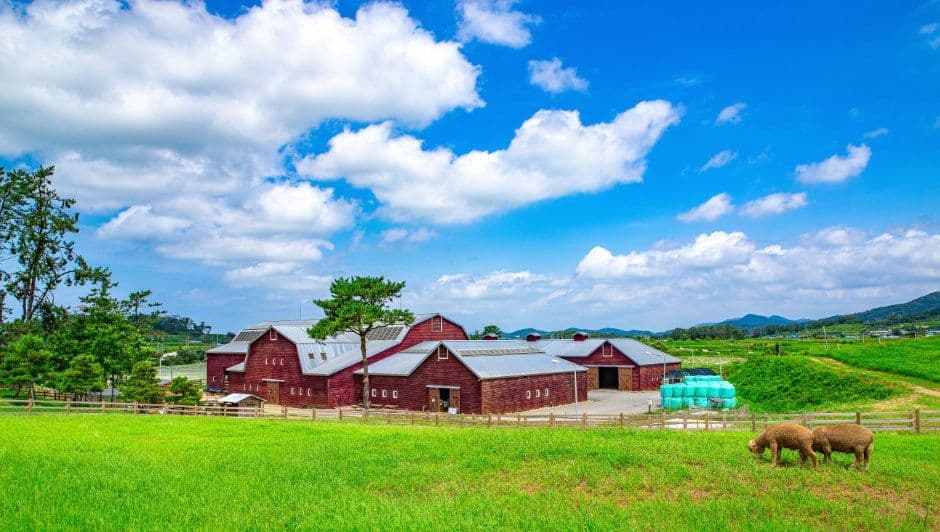
Gochang · Sangha Farm
A Taste of Farm Life: Sangha Farm
A full farm campus in Gochang — sausage, cheese, cake and jam workshops; potato, sweet-potato, peanut and strawberry harvests in season; arboretum walks, factory tours and a stamp-book trail for kids.
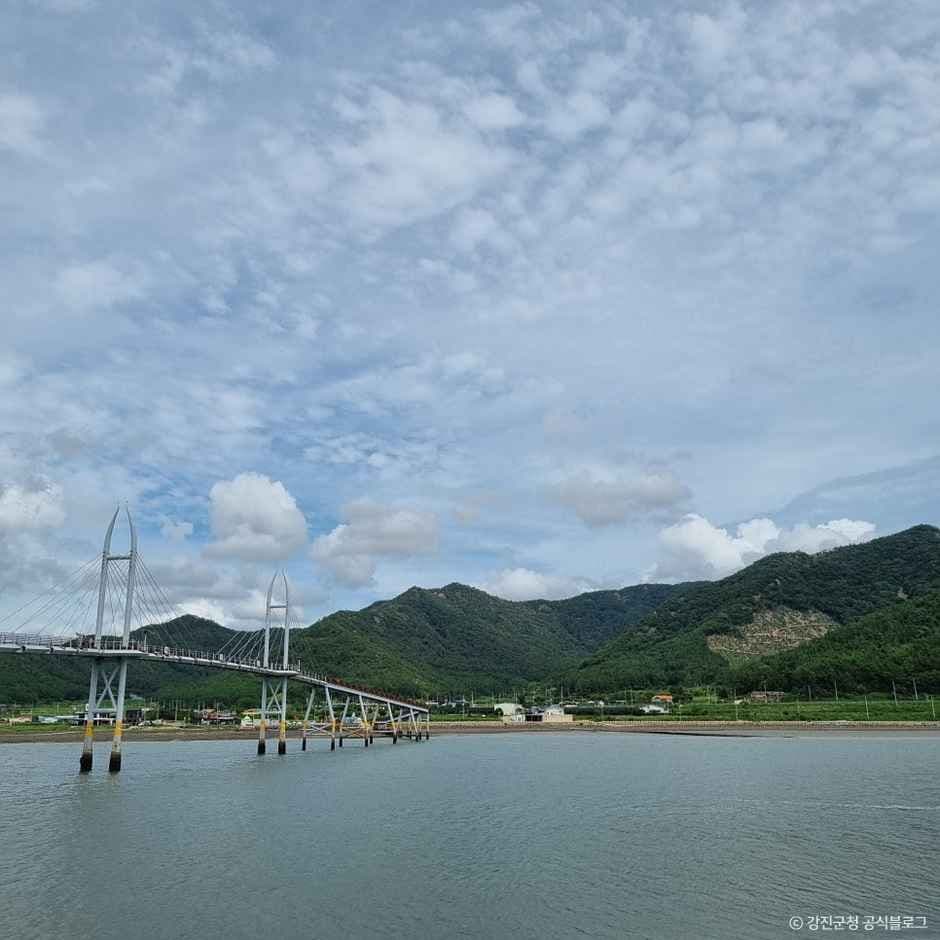
Gangjin · Gaudo
Fly Over the Sea: Gaudo Island
Cross the footbridge to car-free Gaudo, cycle the island loop past Gangjin Bay, then ride the zip-track down from the Celadon Tower — moving through the island rather than viewing it.
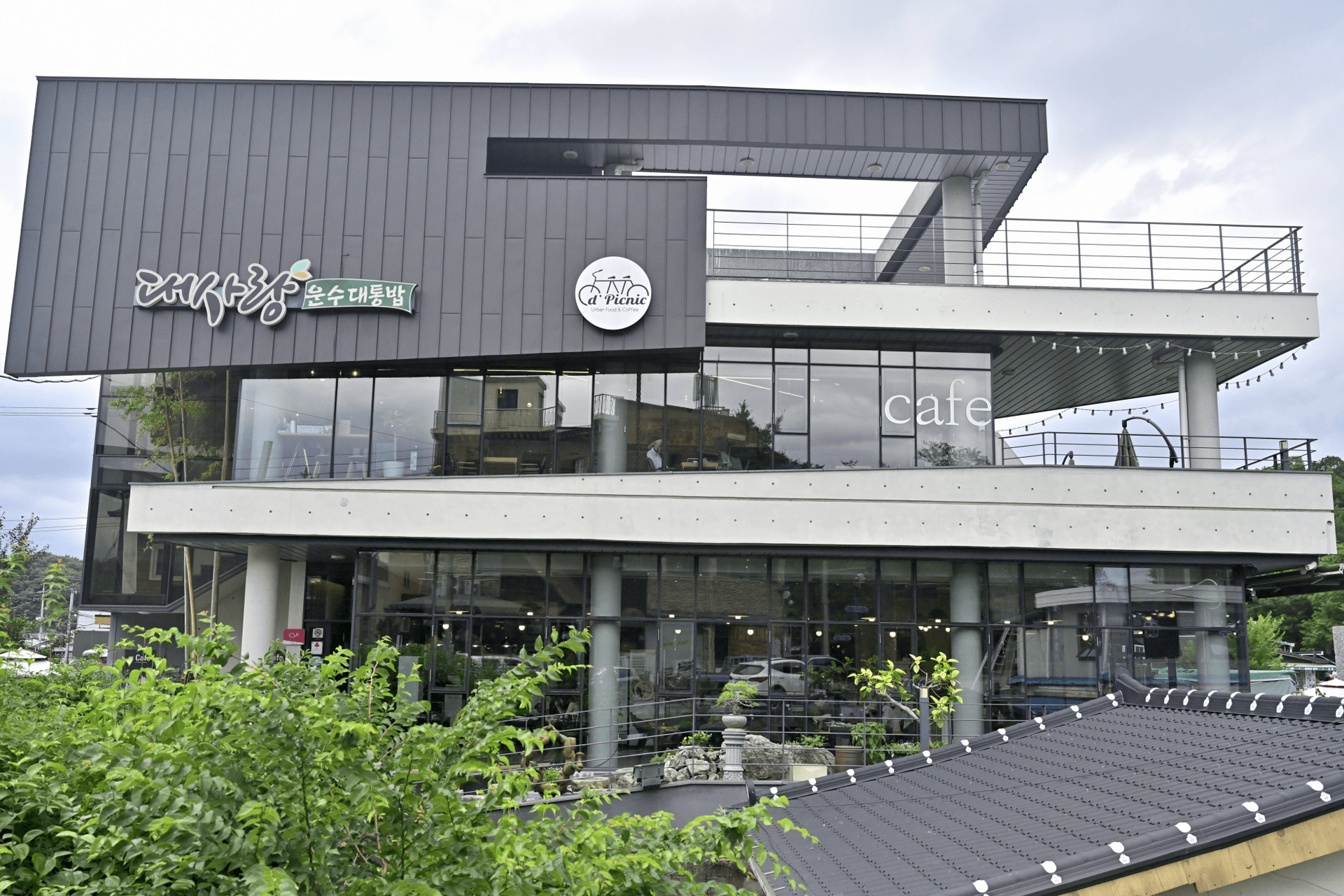
Damyang
Rice Steamed in Bamboo, in the Town of Bamboo
In Damyang, where Korea's bamboo grows thickest, eat daetongbap — rice, grains, chestnut, jujube and pine nuts steamed inside a bamboo tube — set alongside tteok-galbi and bamboo-shoot dishes.
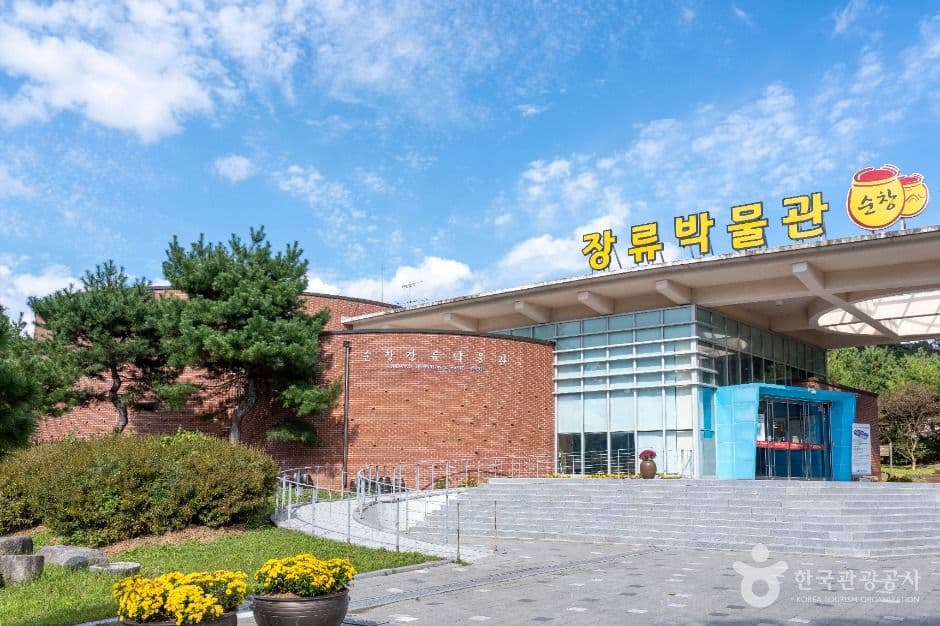
Sunchang · Gochujang Village
Time Does the Cooking: Jang and the Fermentation Village
Visit Sunchang's traditional paste-making village — rows of earthenware jars, hanging meju blocks, the slow work of fermentation — and make your own gochujang to take home.
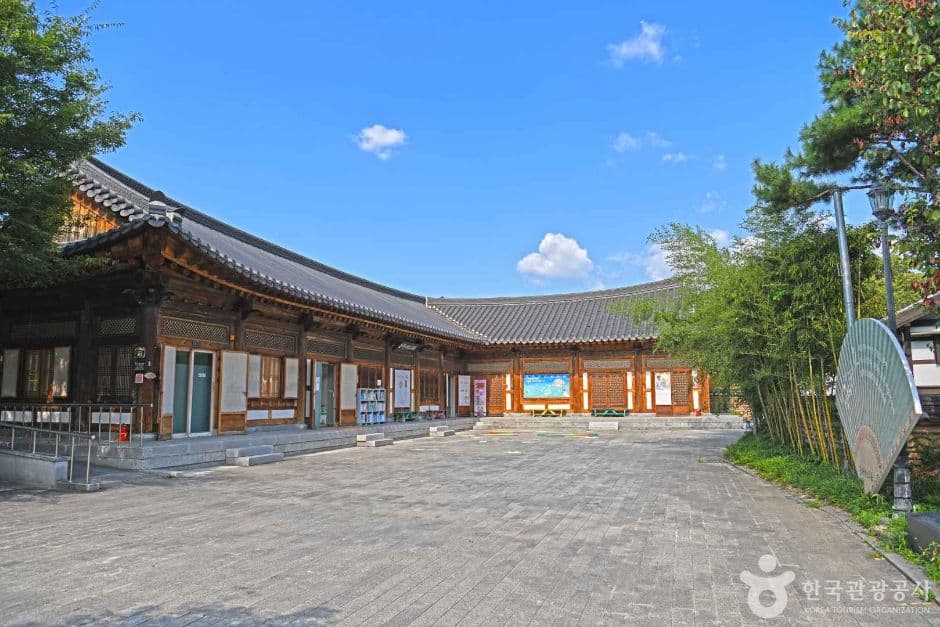
Jeonju · Jeonju Hanok Village
A Breeze Made by Hand: The Fan Makers of Jeonju
At the Jeonju Fan Culture Center, follow how hapjukseon folding fans are made, study the masters' pieces and tools, then paint and assemble a fan of your own — master demonstrations on request.
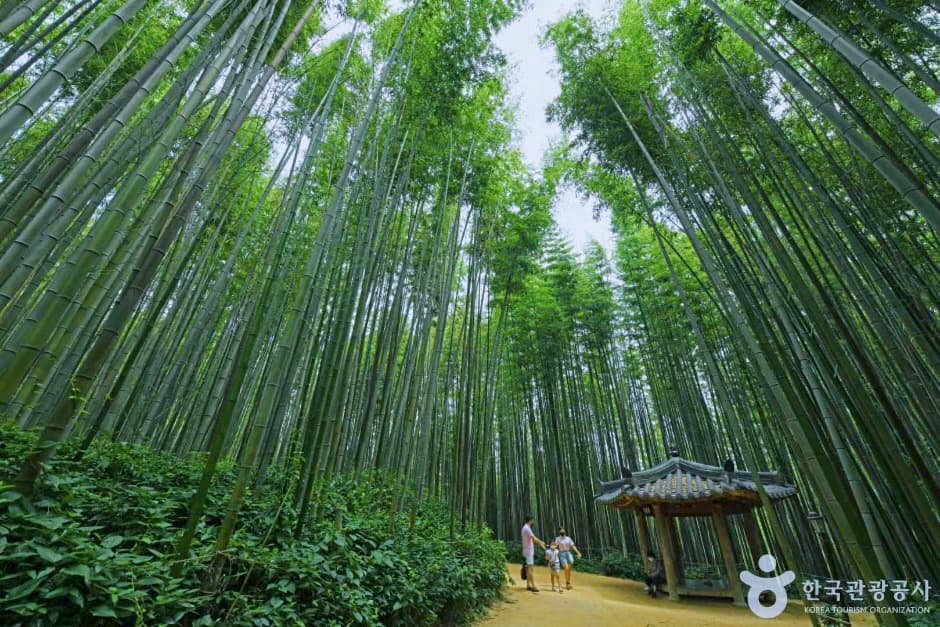
Damyang · Juknokwon
Where the Bamboo Breathes
Walk Juknokwon slowly — wind, leaf-sound, breath — then unwind with a foot bath and tea, a meditation café, a hanok café, or a night in a forest cabin.
Places to see
The landmarks worth the stop
Jeonju
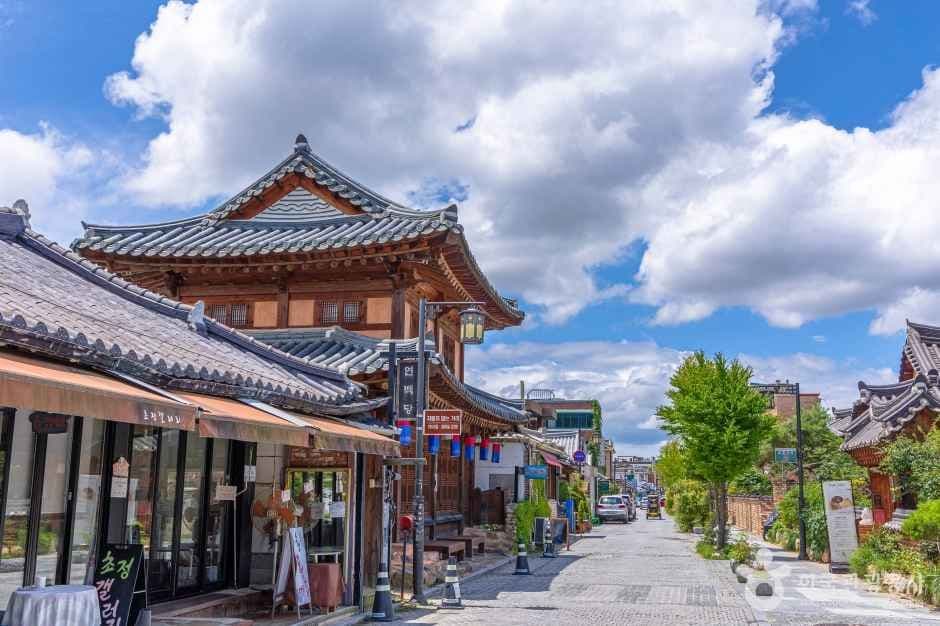
Jeonju Hanok Village
Korea's largest cluster of traditional hanok houses, this rare urban village gathers some 700 tiled-roof homes around Gyeonggijeon Shrine and Jeonjuhyanggyo. Visitors can stay overnight in a hanok or step into the Hanok Life Experience Hall to see how these homes were lived in.
Omokdae and Imokdae Historic Sites
Set on a hillside overlooking Jeonju, Omokdae marks the spot where Yi Seong-gye paused to celebrate victory before he became King Taejo. Across the way, Imokdae recalls his ancestors, with memorial stones bearing calligraphy by Emperor Gojong.
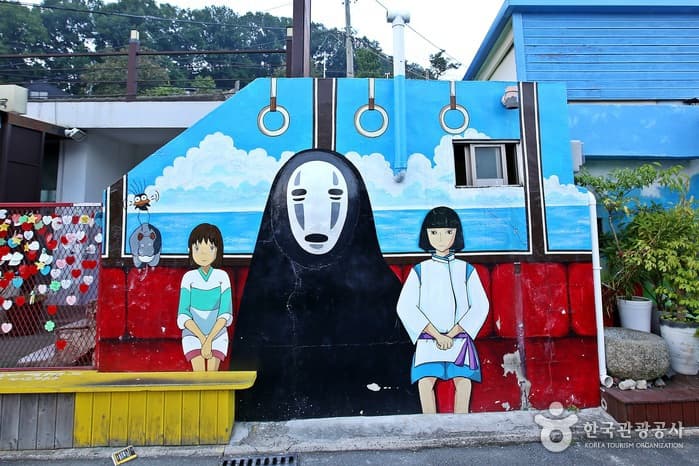
Jaman Mural Village
On the hillside just across from the Hanok Village, this small neighbourhood was settled by Korean War refugees along a maze of narrow lanes. Since 2012 more than 40 murals have brightened its walls, and many old houses now hold cafes, guesthouses, and restaurants.
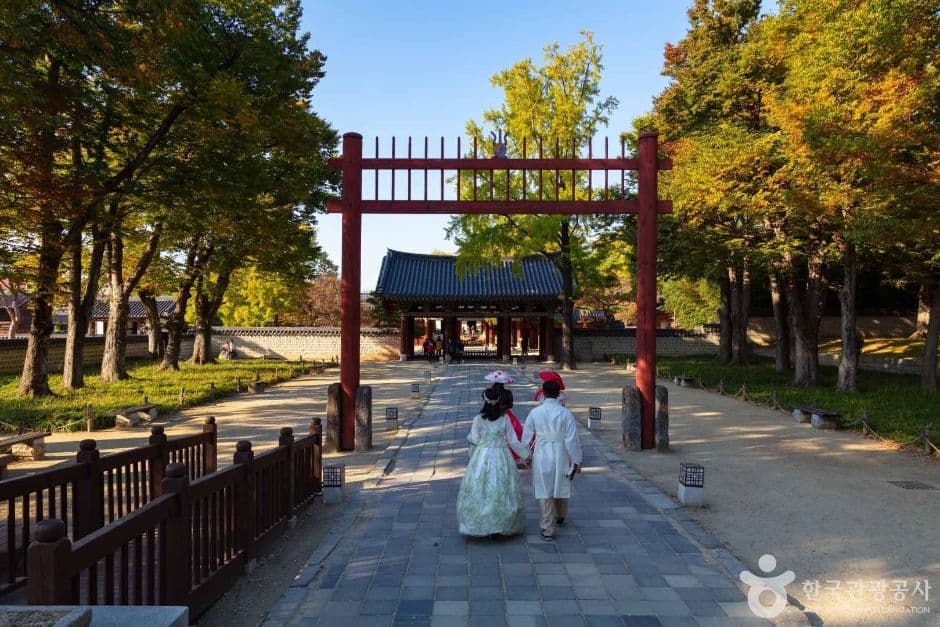
Gyeonggijeon Shrine
Founded in 1410, this historic shrine safeguards the portrait of King Taejo, founder of the Joseon dynasty. Its main hall, stone walls, and bamboo grove form a serene pocket of old Korea within the city, and its cinematic setting has made it a favourite backdrop for period dramas.
Gwangju
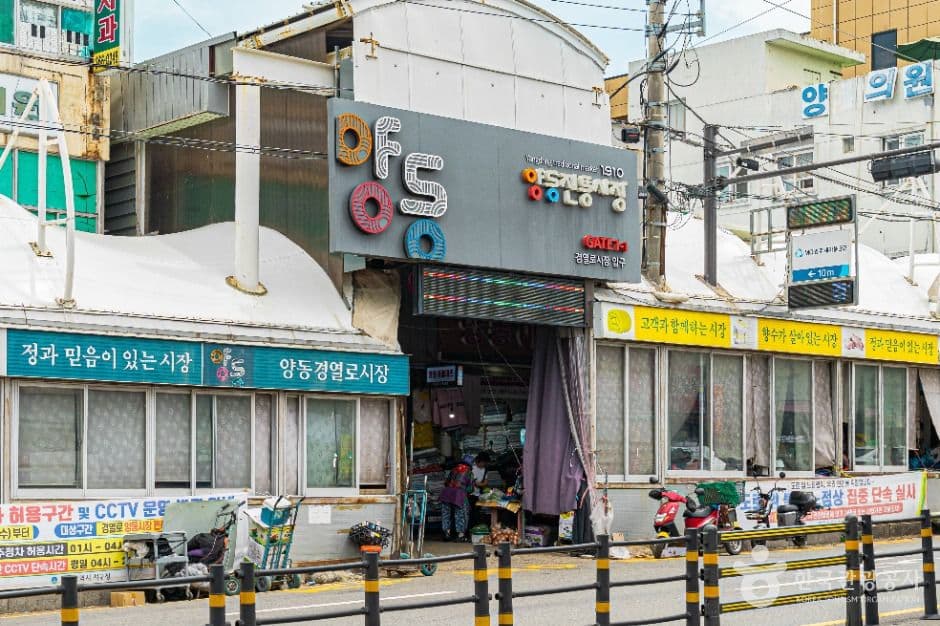
Yangdong Market
Gwangju's century-old central market, the largest in the Jeolla region, piled high with produce, textiles, and southern street food. A working market where the city's famed generosity with food is on full display.
Suncheon
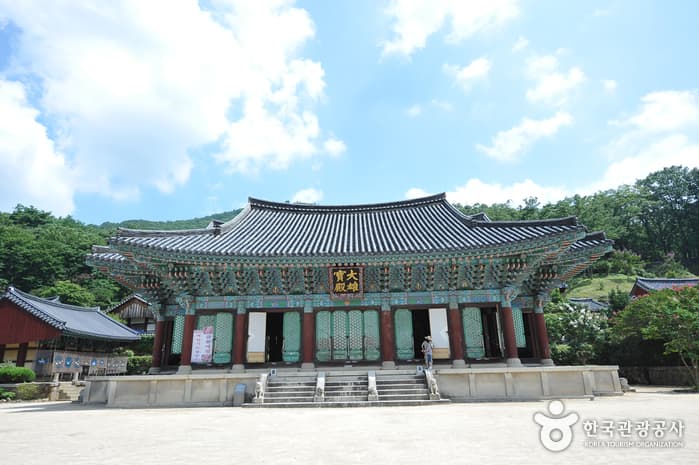
Songgwangsa Temple
Set on the western slopes of Jogyesan Mountain, Songgwangsa is counted among Korea's three great temples, alongside Haeinsa and Tongdosa. Founded in the Silla era, it holds four national treasures and more than eighty halls, and today offers a Buddhist museum, a monastic college, and templestay programmes.
Naganeupseong Walled Town
This remarkably preserved fortress town in Jeollanam-do is encircled by 1,410 meters of stone ramparts that still stand around four meters high. Within the walls, clusters of thatched-roof houses and gently curved rooflines offer a living glimpse of Joseon-era daily life, making it one of Korea's finest folk heritage sites.
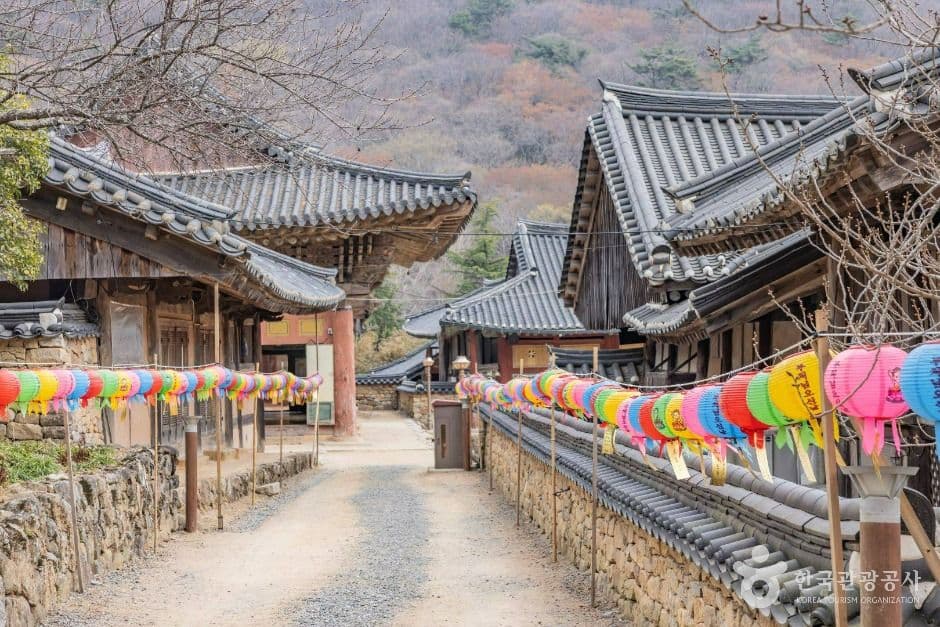
Seonamsa Temple
Reached by a kilometre-long path through a forest of centuries-old trees, Seonamsa rests at the eastern foot of Jogyesan Mountain. The arched Seungseongyo Bridge and a pair of three-story stone pagodas mark the approach to a temple that still preserves age-old ritual traditions. It is especially lovely in spring blossoms and autumn foliage.
Yeosu
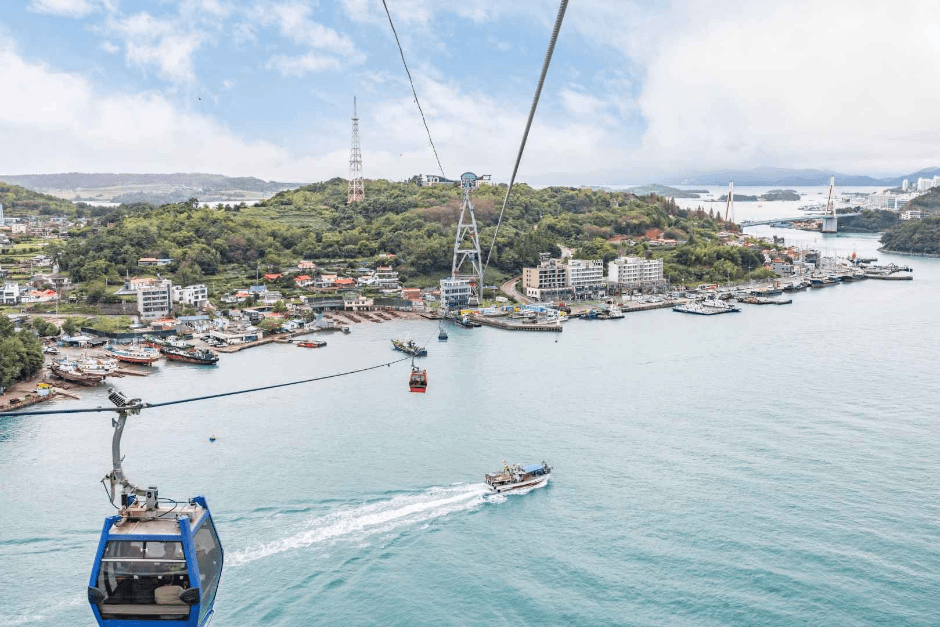
Yeosu Maritime Cable Car
Korea's first over-the-sea cable car links Dolsan Island with the mainland, gliding above the water between the two. Standard cabins are complemented by crystal cabins with transparent floors, offering an airy view straight down to the ocean below.
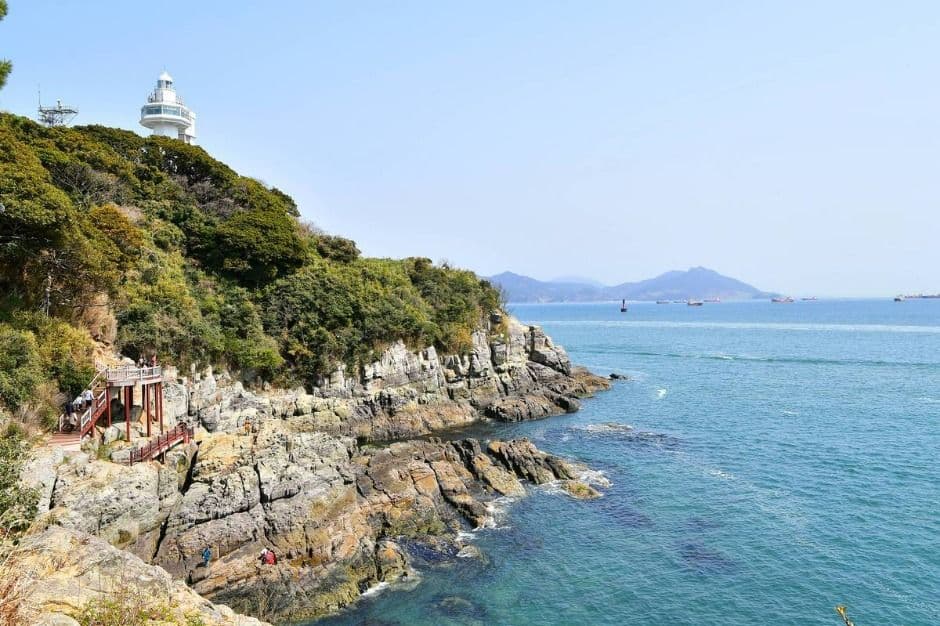
Odongdo Island
Just off the coast of Yeosu, this small island is reached by a breakwater walkway or the Dongbaek Train that runs alongside it. Coastal cliffs, a lighthouse, and dense stands of camellias—which peak in March—draw visitors, while a scenic cruise offers views of the surrounding shoreline.
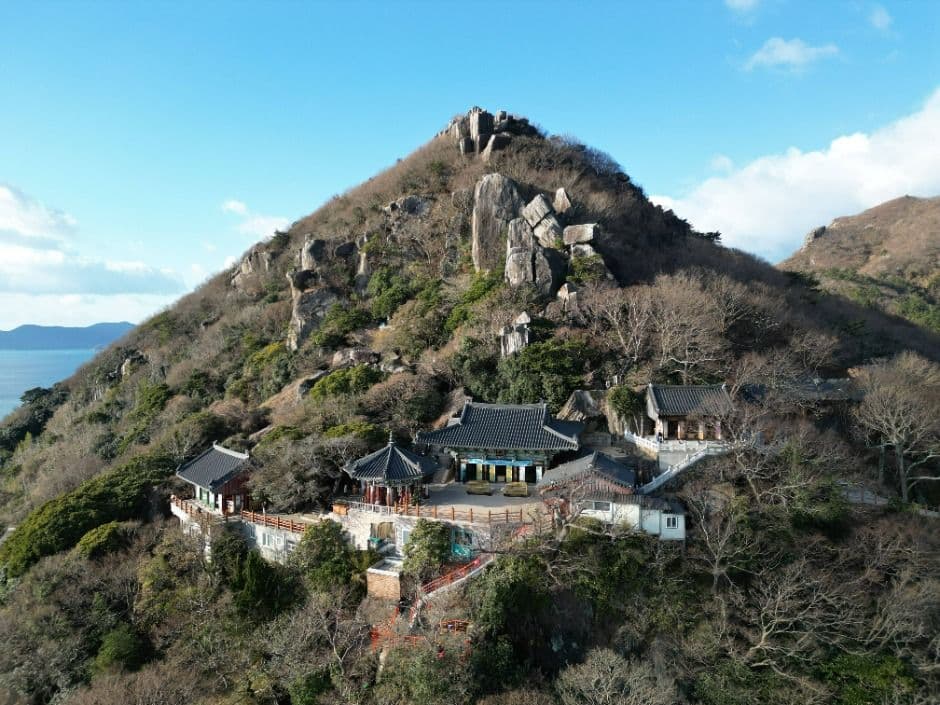
Hyangiram Hermitage
Perched on the coast of Yeosu, Hyangiram is one of Korea's four hermitages dedicated to prayers to the Avalokitesvara Bodhisattva. Founded by Monk Wonhyo in 644 and renamed over the centuries, it retains a cluster of halls including the Daeungjeon, rebuilt in 2012 after a fire.
Journeys through Jeolla-do
See it inside an itinerary
Sample journey
Cultural Korea & Jeju (10D 9N)
Seoul (3N), Jeonju (1N), Gyeongju (1N), Busan (1N), Jeju (2N), Seoul (1N)
Sample journey
Grand Korea Journey (14D 13N)
Seoul (3N), Sokcho (1N), Andong (1N), Gyeongju (2N), Busan (2N), Jeonju (1N), Daejeon (1N), Seoul (2N)
Sample journey
Ultimate Korea Discovery (17D 16N)
Seoul (4N), Chuncheon (1N), Sokcho (1N), Andong (1N), Gyeongju (2N), Busan (2N), Suncheon (1N), Jeonju (1N), Daejeon (1N), Seoul (2N)
Build a route through Jeolla-do
Send us your dates and group — we will shape the itinerary around this region.
Build this into your programme