Gyeonggi-do
Surrounding Seoul like a protective embrace, Gyeonggi offers a balance between urban convenience and natural beauty. From ancient fortresses and royal tombs to serene lakes and modern theme parks, it’s where history and leisure coexist in harmony.
Suwon · Paju · Yongin · Gapyeong · Icheon · Incheon · Pocheon · Gwacheon
Things to do here
6 experiences our team has visited
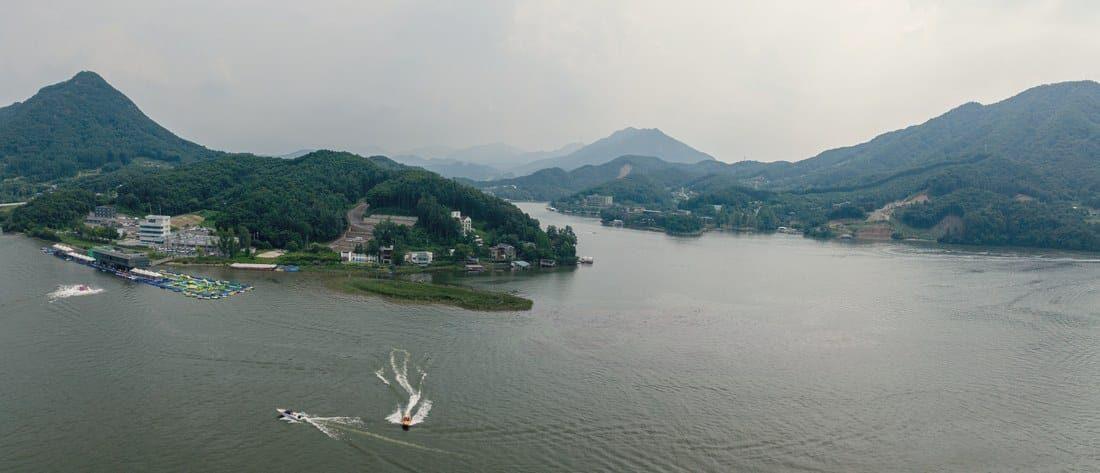
Gapyeong · Cheongpyeong
Camp, Splash & Stay
Spend the day on the water, fire up the barbecue in the evening and stay by the lake rather than heading home.
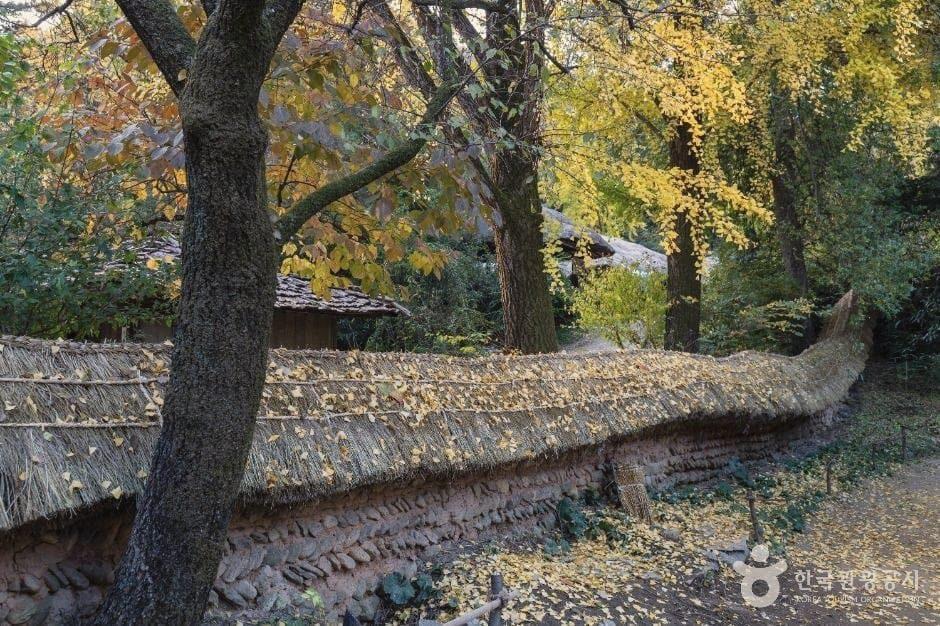
Yongin
The Village, Rebuilt
A reconstructed Joseon-era village where living history meets a full family day out.
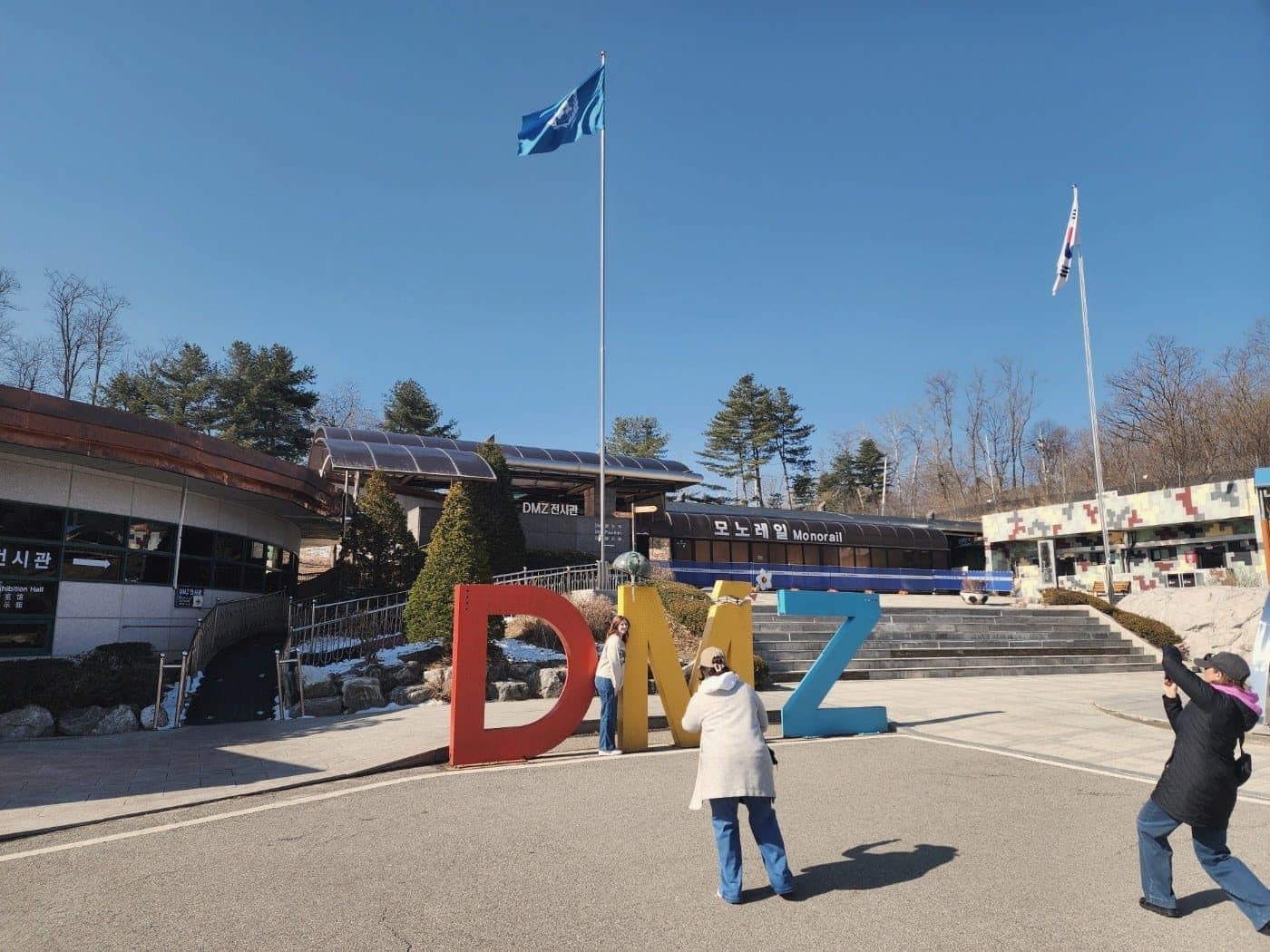
Paju
The Edge of Seoul
Imjingak, the Freedom Bridge and the severed railway show what the division left behind. With the right booking, continue to the Third Tunnel and Dora Observatory.
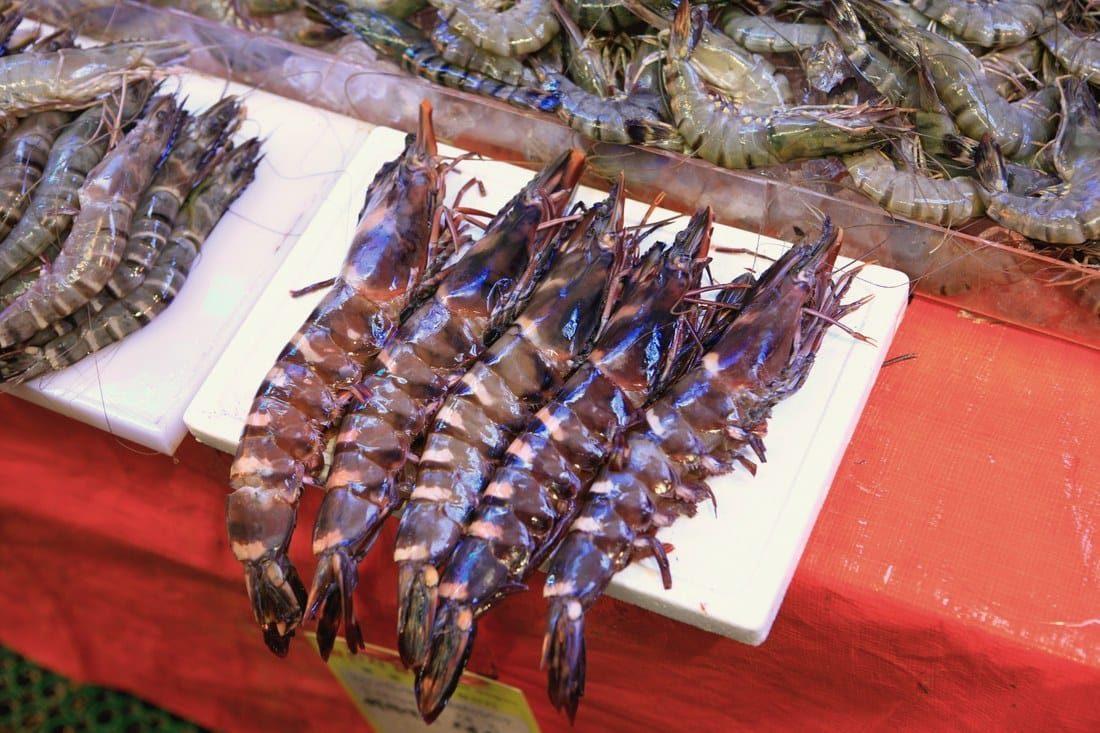
Incheon · Sorae Pogu
Autumn at Its Finest
Start at Soraepogu for prawns and blue crab straight from the boats, then head inland to Gongju when chestnut season arrives.
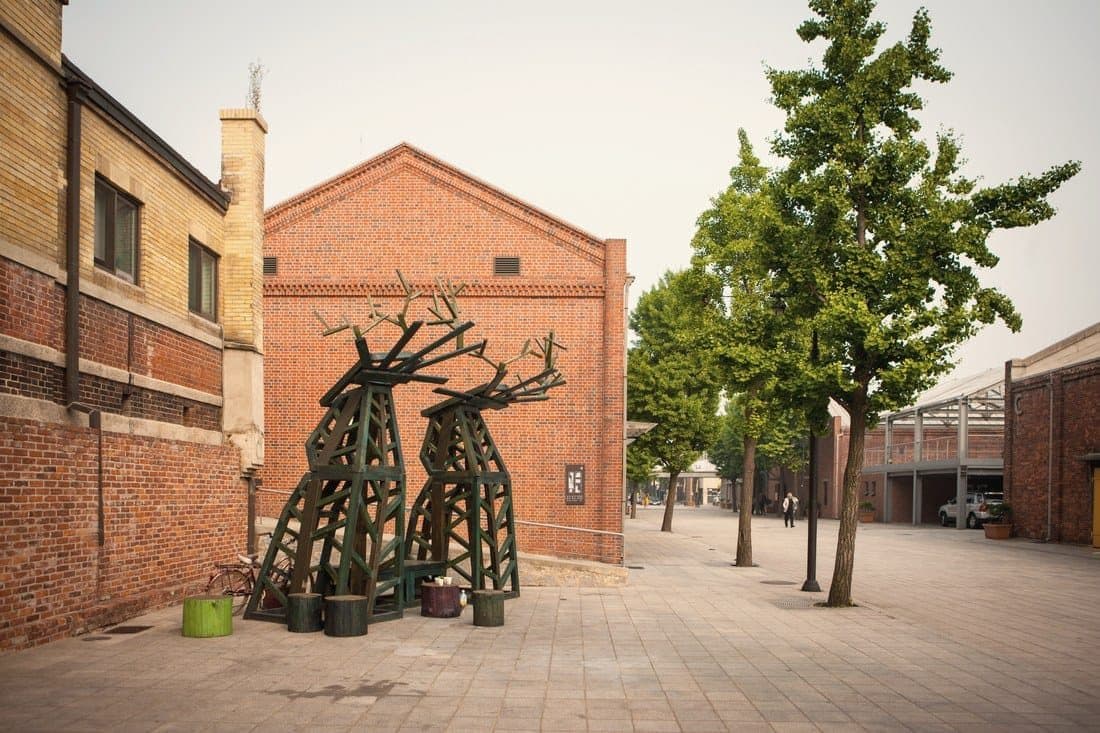
Incheon · Gaehang-ro
Old Town, New Doors
Around Dongincheon, old buildings have found new lives as cafés, shops, book alleys and creative spaces.
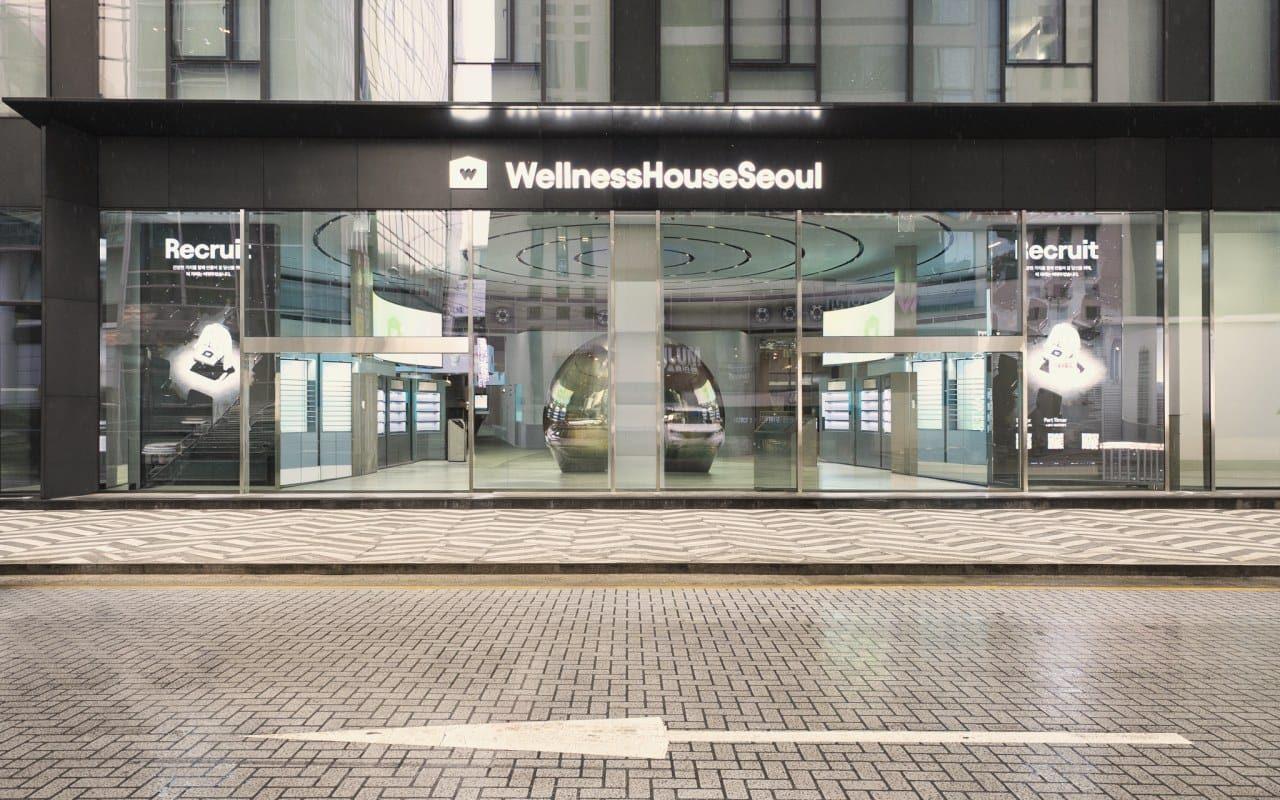
Hanam · Aquafield
Jjimjilbang 101
Change into the uniform, move between the heated rooms, cool down, eat something and repeat. This is how Korea knows how to rest.
Places to see
The landmarks worth the stop
Suwon
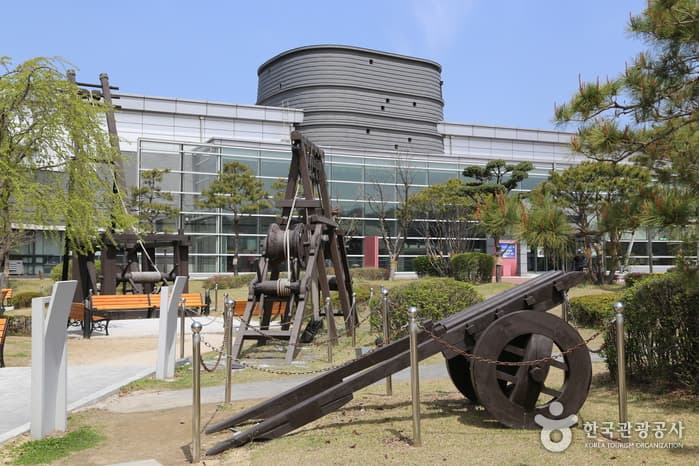
Suwon Hwaseong Museum
This museum traces the making of Hwaseong Fortress and the city that grew around it through clearly organised exhibitions. Its collection spans the fortress's construction and later development, along with the ceremonies and gatherings once held within its walls.
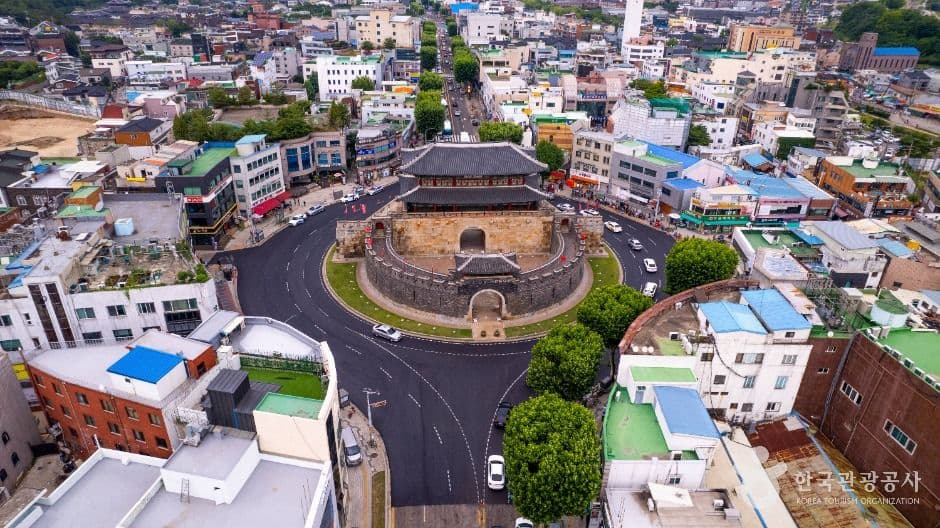
Suwon Hwaseong Fortress
Encircling the city over roughly 5.7 kilometres with Paldalsan Mountain at its heart, this late 18th-century fortress was built by King Jeongjo between 1794 and 1796. Conceived both as an act of devotion to his father and as the foundation for a self-sufficient new city, it earned UNESCO World Heritage status in 1997. Daily performances and an annual autumn cultural festival keep its walls very much alive today.
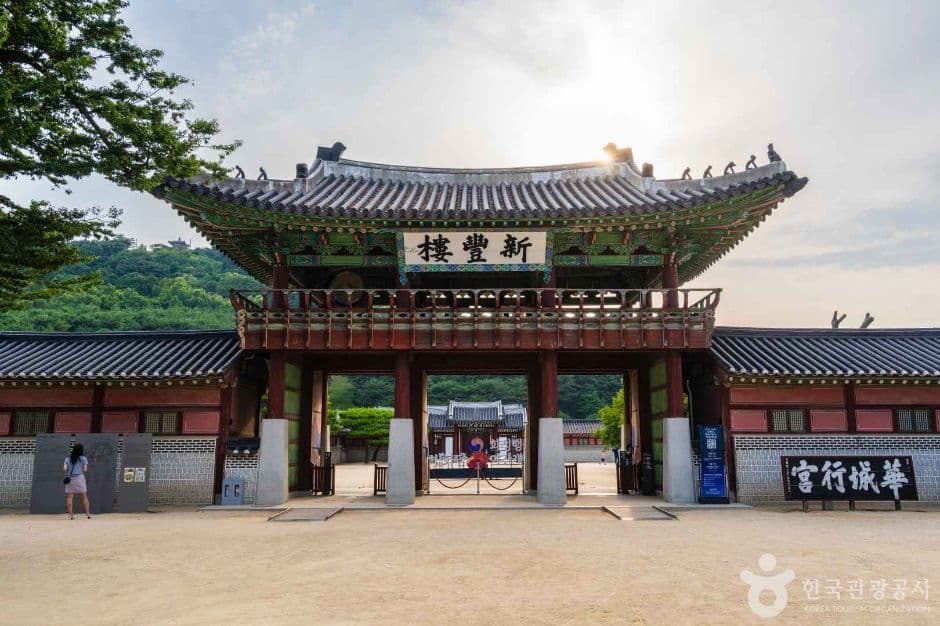
Hwaseong Haenggung Palace
The largest of Joseon's temporary palaces, Hwaseong Haenggung served as a royal retreat and a resting place for King Jeongjo during pilgrimages to his father's tomb. It hosted grand occasions, most famously the lavish banquet for the 60th birthday of his mother, Lady Hyegyeong. Today the restored halls stage traditional performances and cultural programmes.
Paju
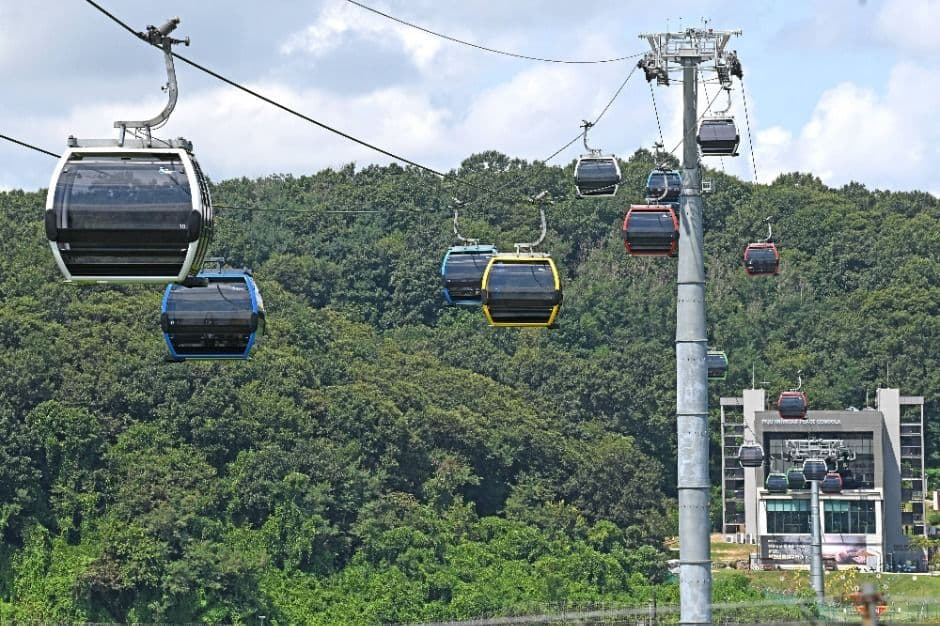
DMZ Peace Gondola
Korea's first gondola to cross a civilian-control-line river, floating over the Imjingang River from Imjingak toward Camp Greaves. A rare, safe vantage point on the landscape and history of the divided peninsula.
Yongin
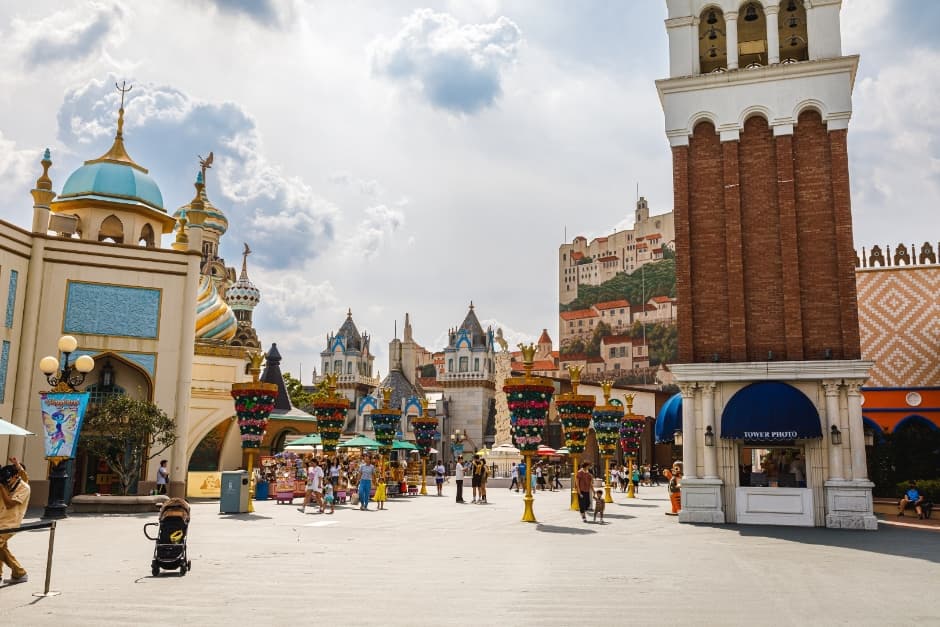
Everland
Korea's largest theme park unfolds across five distinct zones, from European Adventure to Zootopia, each shifting with seasonal festivals of tulips, roses, and autumn illuminations. Highlights include T-Express, the country's first wooden roller coaster, and Lost Valley, where amphibious vehicles glide past free-roaming wildlife. Fans may recognize Rocksville, the 1950s-themed street where BTS filmed their 'Dynamite' performance.
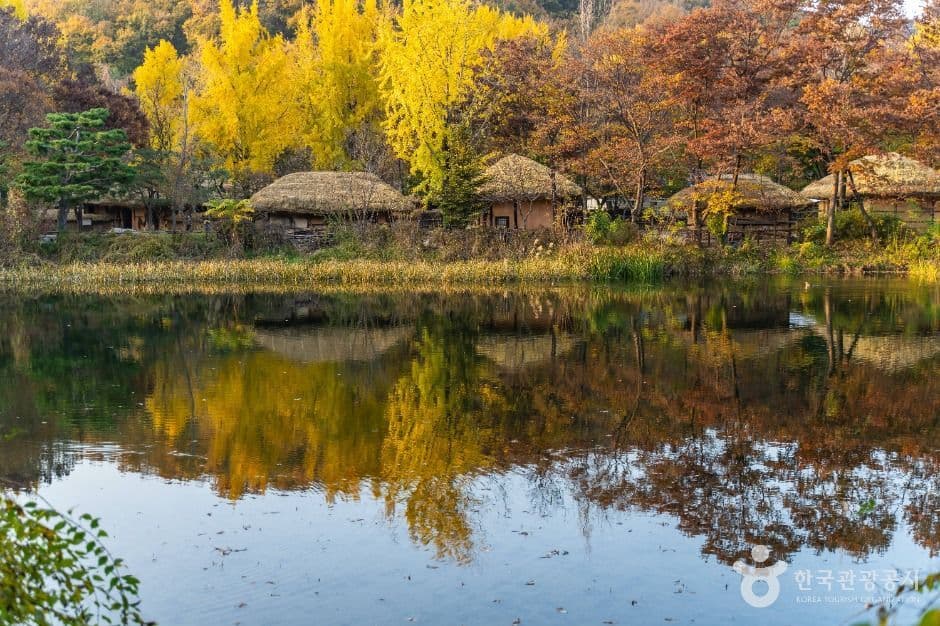
Korean Folk Village
This open-air village recreates life in late Joseon Korea through restored traditional houses, seasonal customs, and hands-on cultural classes. Visitors can watch folk music, equestrian martial arts, and traditional wedding ceremonies, or step into the immersive 'Welcome to Joseon' event. A market street and family-friendly attractions round out the experience.
Journeys through Gyeonggi-do
See it inside an itinerary
Build a route through Gyeonggi-do
Send us your dates and group — we will shape the itinerary around this region.
Build this into your programme